The steady rhythm of feet hitting the pavement, the wind blowing past, and the pulse of determination—this is what running encapsulates for many athletes. In a city like Boston, MA, with such a rich racing history, running is often about more than keeping fit—it’s an exciting competitive sport, a stress reliever, and a significant part of a healthy lifestyle. However, pushing your body to improve creates the potential for running injuries, and being injured can jeopardize a runner’s performance and well-being.
The chiropractors at Charles Street Family Chiropractic are committed to promoting the health and vigor of Boston’s running community. We are experts at addressing running-related injuries, using proven chiropractic techniques. to help you heal faster and avoid future injuries.
Understanding Common Running Injuries
Running in Boston presents specific challenges with seasonal weather changes and diverse terrain. Icy winters lead to treacherous paths, while summer heat and humidity can cause dehydration. All of these factors indirectly contribute to the risk of running injuries.
Apart from weather and trail conditions, several internal factors can cause running injuries, including:
Overuse: Repeated stress on the same bones and tissues without adequate recovery can result in overuse injuries.
Poor biomechanics: Suboptimal foot mechanics, such as rolling your foot too much inward (overpronation) or outward (supination), may predispose you to injury.
Inadequate footwear: Shoes that lack sufficient arch support or poorly match a runner’s foot structure can exacerbate biomechanical issues.
Training errors: Abrupt changes in training intensity, frequency, or duration can strain the body, leading to injuries.
The Importance of Early Detection and Treatment
The adage, “an ounce of prevention is worth a pound of cure,” is particularly true regarding running injuries. Early detection and treatment are crucial for preventing complications, chronic pain, and irreversible damage.
At Charles Street Family Chiropractic, we provide early detection and customized treatment plans for injured runners. Our comprehensive understanding of human anatomy and biomechanics helps us offer effective, non-invasive treatments to promote the body’s innate healing capabilities.
5 Most Common Running Injuries
Every stride you take makes an impact, and sometimes, these impacts lead to injuries. Here are five common injuries from running that you should be aware of:
Runner’s knee: Unsurprisingly, the injury nicknamed “runner’s knee” is common among runners. Characterized by pain around or behind the kneecap, this condition often results from overuse or biomechanical problems. Symptoms may worsen while walking up and down stairs, kneeling, or squatting.
Achilles tendinitis: This condition affects the Achilles tendon, which attaches your heel to your calf. Inflammation causes pain in the heel and the back of the lower leg. Achilles tendonitis is typically caused by excessive training, poorly chosen footwear, or tight calf muscles.
Plantar fasciitis: This common foot injury from running affects the arch of the foot, causing pain even when lying down. It’s often triggered by overpronation, inadequate footwear, or tight calf muscles.
Shin splints: Marked by pain running along the tibia, shin splints most often occur after ramping up the training intensity.
Ankle sprains: Tripping, falling, or simply landing wrong may cause you to roll your ankle, stretching or tearing the ligaments there. A sprained ankle may swell, turn red, and hurt when you put weight on it.
Injury Prevention Strategies and Tips for Runners
Preventing running injuries involves listening to your body and adopting good training habits. Here are some tips to help keep injuries at bay:
Making sure your Spine and Pelvis are working properly: To keep you running at your best you need to ensure proper function of your kinetic chain which starts at the foot, goes into the knee then the hips, and ends with the pelvis.
Proper form and technique: Running with correct posture and foot strike reduces the risk of knee, ankle, and foot injuries.
Gradual progression: Avoid sudden increases in training load. The general rule is to increase your running volume by no more than 10 percent per week.
Strength training: Incorporate weightlifting or similar exercises into your training routine to enhance muscle strength and joint stability.
Rest and recovery: Give your body time to recuperate and listen to its cues. Rest days are crucial for preventing overuse injuries.
Daily stretching: Dynamic stretches before running and static stretches after running are effective for increasing flexibility, improving circulation, and preventing muscle tightness, thereby reducing the risk of common running injuries.
Trust Boston’s Premier Chiropractor
Staying injury-free as a runner is a multifaceted endeavor. Knowing what injuries to watch out for and how to prevent them is an important first step. Then, seeking timely treatment is crucial to cut down your recovery time.
At Charles Street Family Chiropractic, we take a patient-centered approach and offer advanced techniques to treat running injuries effectively. With the promise of quality care and friendly staff interactions, you can feel confident choosing our Boston chiropractor for help getting back on your feet. Contact us at 617-720-1992 or fill out our online form to schedule an appointment today.
“I was majoring in chemistry at Villanova University when my path turned to chiropractic. I was going on interviews to be a pharmaceutical sales representative, and they always asked me what I wanted to be doing in five years. My answer was always the same: “I want to be helping people, enjoying my work, while making a difference.”
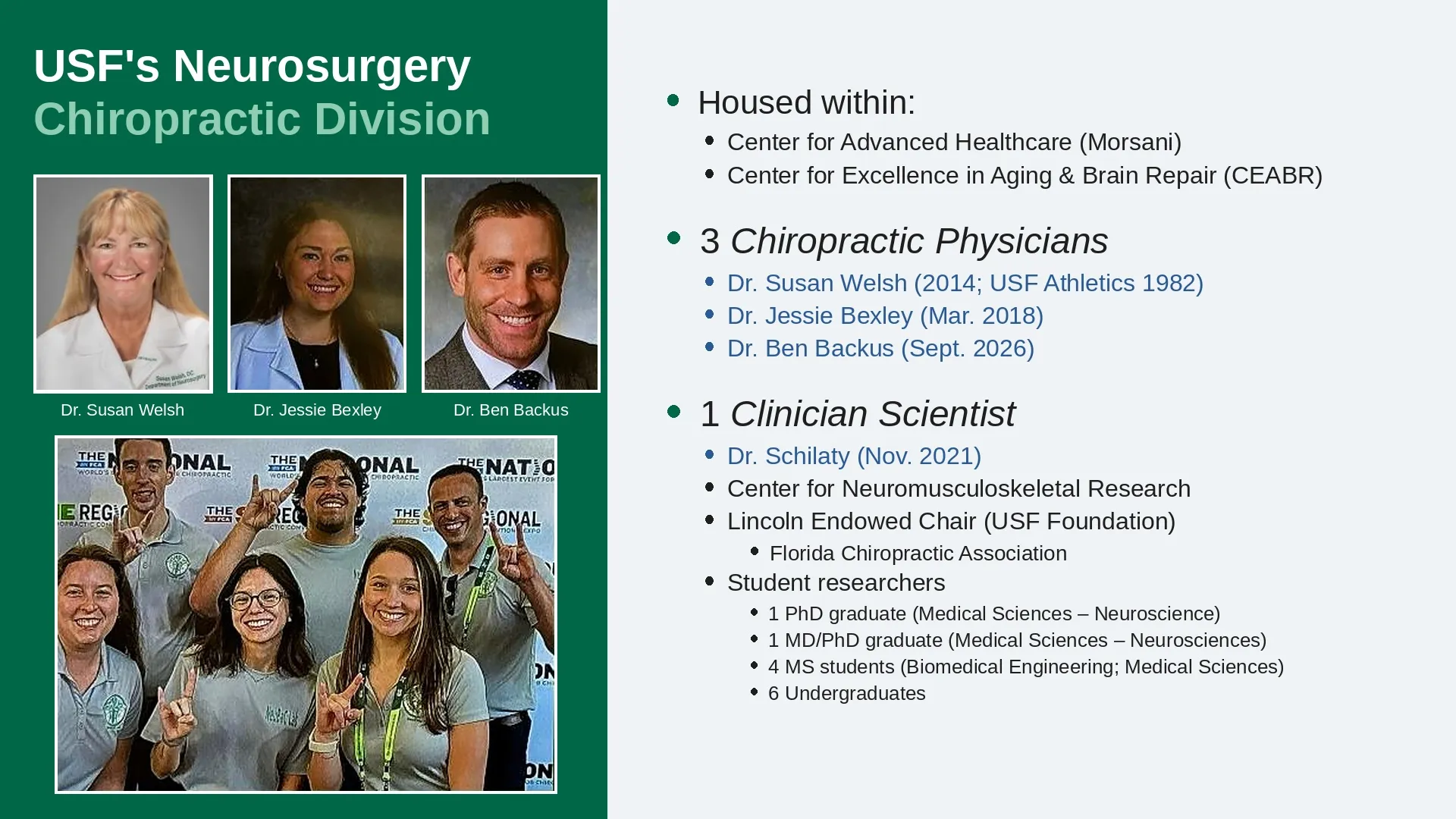
Looking for a Boston chiropractor focused on conservative, drug-free spine care? At Charles Street Family Chiropractic in Beacon Hill, Dr. Chris Quigley helps patients with back pain, neck pain, sciatica, disc problems, and recurring spinal conditions. Chiropractic care can support mobility, function, and active living while reducing reliance on medications and invasive procedures. Even major medical centers, including the University of South Florida Neurosurgery program, are integrating chiropractic care into collaborative spine treatment and research.
A 2015 MRI study found signs of alar ligament injury in 55% of older patients whose chronic neck pain had no other identifiable cause. For Boston and Massachusetts personal injury attorneys, that finding speaks to a familiar problem: the client who still hurts months after a car crash, but whose standard imaging reads as “normal” or “age-related degeneration.”
The number that should stop every elective-surgery patient in their tracks is 94%. In a large 2017 Journal of Pain Research study of 1,842 people who had undergone lumbar spine surgery, 94% reported some degree of residual low-back pain. That does not mean 94% had severe pain, nor does it mean 94% of the operations were surgical failures. But for an invasive procedure that many patients understandably hope will eliminate their back pain, the persistence of any low-back pain in such a large proportion of respondents is difficult to dismiss. The same study found that 20.6% met the researchers’ criteria for failed back surgery syndrome —roughly one out of every five patients. Residual numbness was reported by 69.8%, cold sensations by 43.3%, and paresthesia such as tingling or abnormal sensations by 35.3%.