Recent research has highlighted the significant impact of the balance between omega-6 and omega-3 fatty acids on overall health and mortality. A study published in eLife analyzed data from the UK Biobank and found that a higher ratio of plasma omega-6 to omega-3 fatty acids is associated with an increased risk of all-cause mortality, as well as mortality from cancer and cardiovascular disease. At Charles Street Family Chiropractic in Boston, we have always been huge advocates for balancing these vital nutrients.
Understanding Omega Fatty Acids
Omega-6 and omega-3 fatty acids are essential polyunsaturated fats that play crucial roles in the body. Omega-6 fatty acids, commonly found in vegetable oils and processed foods, are important for brain function and normal growth and development. Omega-3 fatty acids, abundant in fatty fish and flaxseeds, are known for their anti-inflammatory properties and benefits to heart health.
While both types of fatty acids are necessary, maintaining a proper balance between them is vital. Historically, human diets have had a roughly 1:1 ratio of omega-6 to omega-3 fatty acids. However, modern Western diets often have ratios skewed heavily towards omega-6, sometimes as high as 20:1, due to increased consumption of processed foods and vegetable oils.
The Study’s Findings
The study in question analyzed plasma samples from a large cohort within the UK Biobank, focusing on the ratio of omega-6 to omega-3 fatty acids. The researchers observed that individuals with higher omega-6/omega-3 ratios had a significantly increased risk of mortality from all causes, including cancer and cardiovascular diseases.
These findings suggest that an imbalance favoring omega-6 fatty acids may contribute to the development and progression of chronic diseases. The pro-inflammatory nature of excessive omega-6 intake, coupled with insufficient anti-inflammatory omega-3s, could create an environment conducive to disease.
Implications for Health
The study highlights the importance of maintaining a balanced diet in terms of fatty acid intake. While omega-6 fatty acids are not inherently harmful, their overconsumption relative to omega-3s can disrupt the body’s inflammatory balance. Chronic inflammation is a known contributor to various diseases, including heart disease, cancer, and neurodegenerative disorders.
By adjusting dietary habits to reduce omega-6 intake and increase omega-3 consumption, individuals may lower their risk of these conditions. This approach emphasizes the quality and balance of fats in the diet, rather than eliminating specific types altogether. Our Boston chiropractors at Charles Street Family Chiropractic have been advocates of taking omega-3 supplements for many years.
Practical Steps to Improve Fatty Acid Balance
Increase Omega-3 Intake: Incorporate more omega-3-rich foods into your diet, such as fatty fish (salmon, mackerel, sardines), flaxseeds, chia seeds, and walnuts.
Limit Omega-6-Rich Foods: Reduce consumption of processed foods and snacks high in vegetable oils like corn, soybean, and sunflower oils.
Choose Healthier Cooking Oils: Opt for oils with a better omega-6 to omega-3 ratio, such as olive oil or canola oil.
Consider Supplements: If dietary changes are insufficient, omega-3 supplements like fish oil can help improve your fatty acid balance.
Read Food Labels: Be mindful of the types of fats present in packaged foods and aim for products with healthier fat profiles.
GET TESTED: We offer a finger-prick blood test to determine your omega-6 to omega-3 ratio. Ask Dr. Chris today to get yours. The optimal level is from 1.5 to 3. The average American is an 11, and the two most recent tests in our office were in the twenties. In the past, we tested someone in the sixties. Dr. Chris’s most recent score was 4.2.
Conclusion
The balance between omega-6 and omega-3 fatty acids plays a crucial role in maintaining health and reducing the risk of chronic diseases. The study from the UK Biobank highlights the potential dangers of an imbalanced fatty acid ratio, emphasizing the need for dietary awareness and adjustments. By consciously choosing foods that promote a healthier balance, individuals can take proactive steps towards better health and longevity.
“I was majoring in chemistry at Villanova University when my path turned to chiropractic. I was going on interviews to be a pharmaceutical sales representative, and they always asked me what I wanted to be doing in five years. My answer was always the same: “I want to be helping people, enjoying my work, while making a difference.”
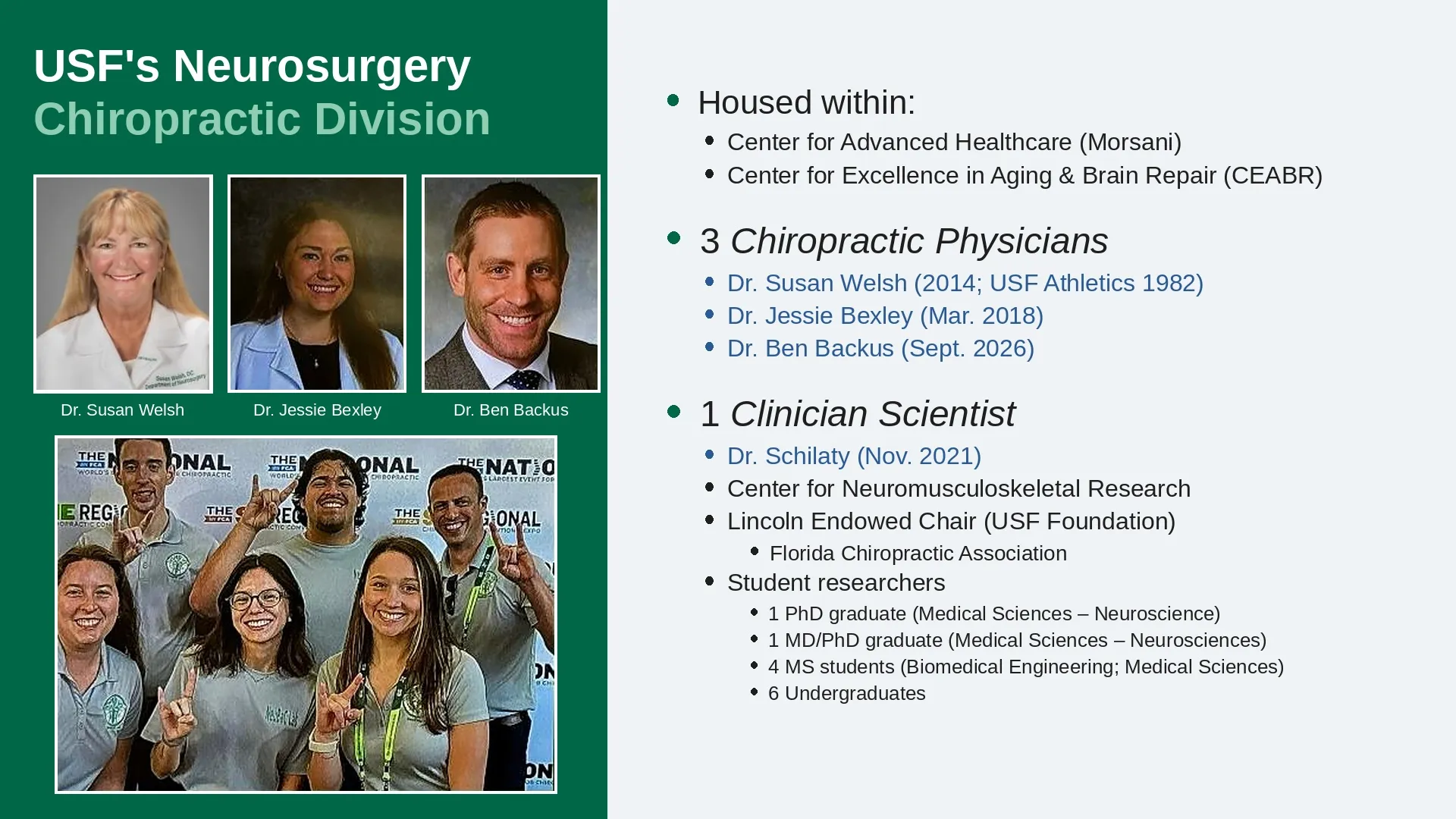
Looking for a Boston chiropractor focused on conservative, drug-free spine care? At Charles Street Family Chiropractic in Beacon Hill, Dr. Chris Quigley helps patients with back pain, neck pain, sciatica, disc problems, and recurring spinal conditions. Chiropractic care can support mobility, function, and active living while reducing reliance on medications and invasive procedures. Even major medical centers, including the University of South Florida Neurosurgery program, are integrating chiropractic care into collaborative spine treatment and research.
A 2015 MRI study found signs of alar ligament injury in 55% of older patients whose chronic neck pain had no other identifiable cause. For Boston and Massachusetts personal injury attorneys, that finding speaks to a familiar problem: the client who still hurts months after a car crash, but whose standard imaging reads as “normal” or “age-related degeneration.”
The number that should stop every elective-surgery patient in their tracks is 94%. In a large 2017 Journal of Pain Research study of 1,842 people who had undergone lumbar spine surgery, 94% reported some degree of residual low-back pain. That does not mean 94% had severe pain, nor does it mean 94% of the operations were surgical failures. But for an invasive procedure that many patients understandably hope will eliminate their back pain, the persistence of any low-back pain in such a large proportion of respondents is difficult to dismiss. The same study found that 20.6% met the researchers’ criteria for failed back surgery syndrome —roughly one out of every five patients. Residual numbness was reported by 69.8%, cold sensations by 43.3%, and paresthesia such as tingling or abnormal sensations by 35.3%.