One of the most common statements heard in a Boston courtroom after a rear-end collision is:
“The MRI is normal, so there can’t be a serious injury.”
Fortunately, modern science tells a different story.
A landmark review by Les Barnsley, Susan Lord, and Nikolai Bogduk, published in Pain, fundamentally changed how physicians understand whiplash-associated disorders. The paper reviewed decades of biomechanical and clinical evidence and concluded that whiplash is a legitimate injury with identifiable anatomical pain generators—even when conventional imaging appears normal.
For Boston personal injury attorneys, that research remains just as relevant today as it was when first published.
The Biggest Misconception in Whiplash Litigation
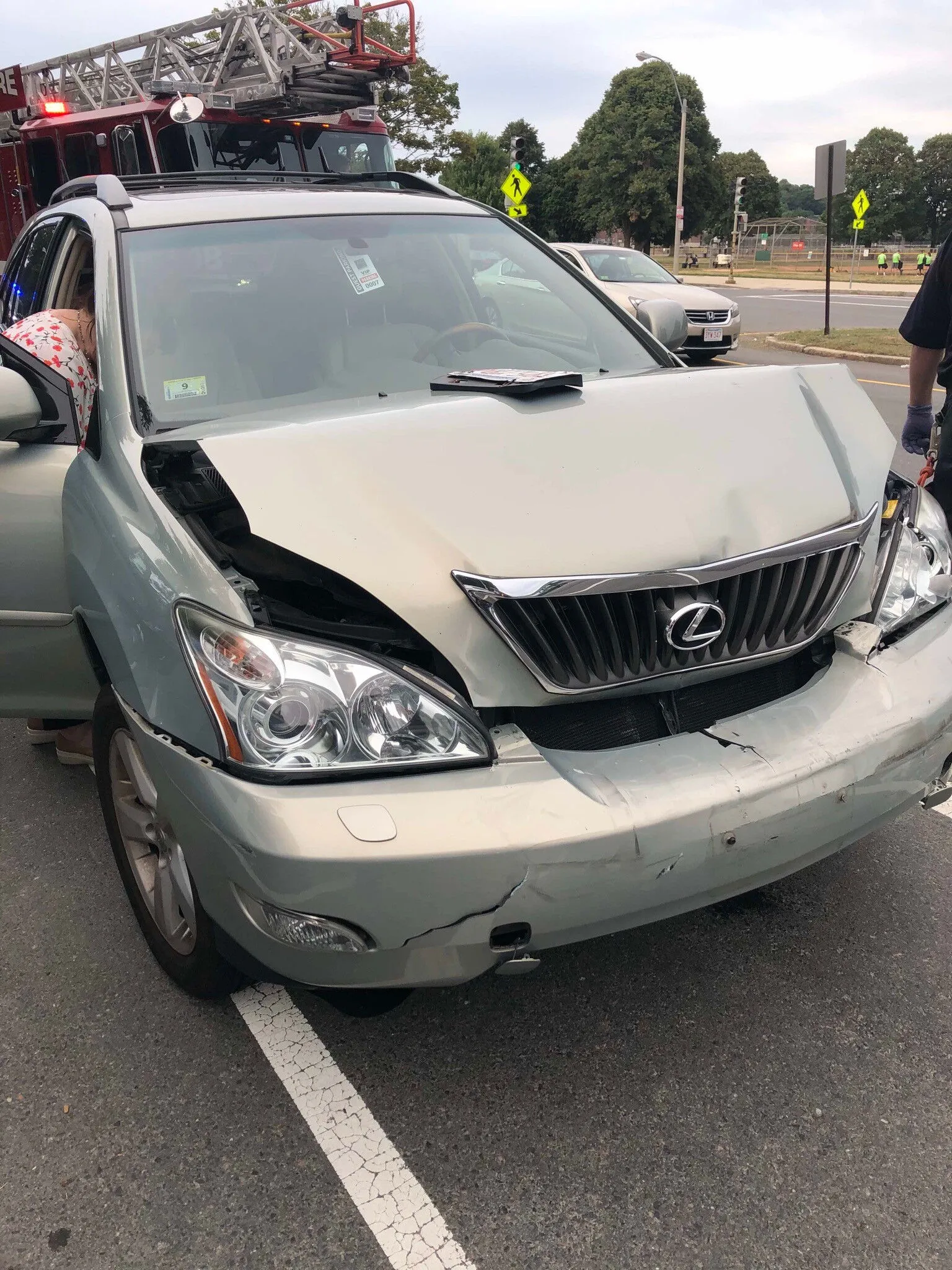
Insurance companies often equate minimal vehicle damage with minimal injury.
Experienced trial attorneys know those two things are not the same.
The authors explain that whiplash is not simply a muscle strain. During a rear-end collision, the cervical spine undergoes rapid acceleration and deceleration, creating complex loading forces across multiple tissues, including facet joints, ligaments, discs, muscles, and joint capsules.
The important legal point?
Many of these injured structures are poorly visualized—or not visualized at all—on routine X-rays and MRI studies. A normal MRI does not automatically exclude a painful cervical injury.
Why Some Boston Accident Victims Never Fully Recover
One of the most important findings in the review is that whiplash injuries are not all alike.
The review discusses evidence that the cervical facet (zygapophysial) joints are a common source of chronic pain after whiplash. Diagnostic medial branch blocks have provided objective evidence of a link between these joints and ongoing symptoms in many patients.
For attorneys, this helps explain why a client may continue to suffer despite conservative treatment and “normal” imaging findings.
Why the Initial Medical Evaluation Matters
One of the biggest mistakes made after a motor vehicle collision is assuming that the emergency department has ruled out every injury.
Emergency physicians are appropriately focused on identifying fractures, spinal cord injury, bleeding, and other life-threatening conditions.
They are not attempting to diagnose subtle ligament injuries, cervical instability, or painful facet joint dysfunction.
As a result, many patients leave the emergency room with reassuring imaging while significant soft-tissue injuries remain undiagnosed.
That distinction often becomes central during litigation.
Building a Stronger Injury Case
For Boston personal injury attorneys, understanding modern whiplash science can strengthen several aspects of a case.
Consider documenting:
The direction of impact
Head position during the collision
Immediate onset of symptoms
Functional limitations
Objective examination findings
Advanced diagnostic evaluations when appropriate
The medical literature increasingly supports the concept that careful clinical examination—not imaging alone—is critical when evaluating whiplash-associated disorders.
The Importance of Expert Documentation
One of the greatest challenges in soft-tissue injury litigation is translating complex medical findings into language that juries understand.
Comprehensive narrative reports that correlate accident biomechanics, examination findings, imaging, and published medical literature can help establish both causation and the extent of injury.
In my practice, I focus on documenting cervical spine injuries using objective orthopedic, neurological, radiological and functional findings while relating those findings to the scientific literature. These detailed reports have helped Boston personal injury attorneys better explain complicated spinal injuries and pursue fair compensation for their clients.
The Bottom Line
The debate over whether whiplash is a “real” injury has largely been settled in the medical literature.
The more important question is which anatomical structures were injured and how those injuries are documented.
For attorneys representing injured clients throughout Boston, Cambridge, Brookline, Newton, Quincy, Somerville, and the Greater Boston area, understanding the science behind whiplash can make the difference between a disputed claim and a well-supported case.
When insurance carriers argue that a normal MRI means “no injury,” landmark research suggests a more accurate conclusion:
Absence of visible damage is not the same as absence of injury. Call Dr. Quigley today at 617-720-1992 to discuss your car crash case. Click here to view his credentials.
Literature Citation
Barnsley L, Lord S, Bogduk N. Whiplash Injury.Pain. 1994;58(3):283-307. doi:10.1016/0304-3959(94)90123-6. PMID: 7838578.
“I was majoring in chemistry at Villanova University when my path turned to chiropractic. I was going on interviews to be a pharmaceutical sales representative, and they always asked me what I wanted to be doing in five years. My answer was always the same: “I want to be helping people, enjoying my work, while making a difference.”
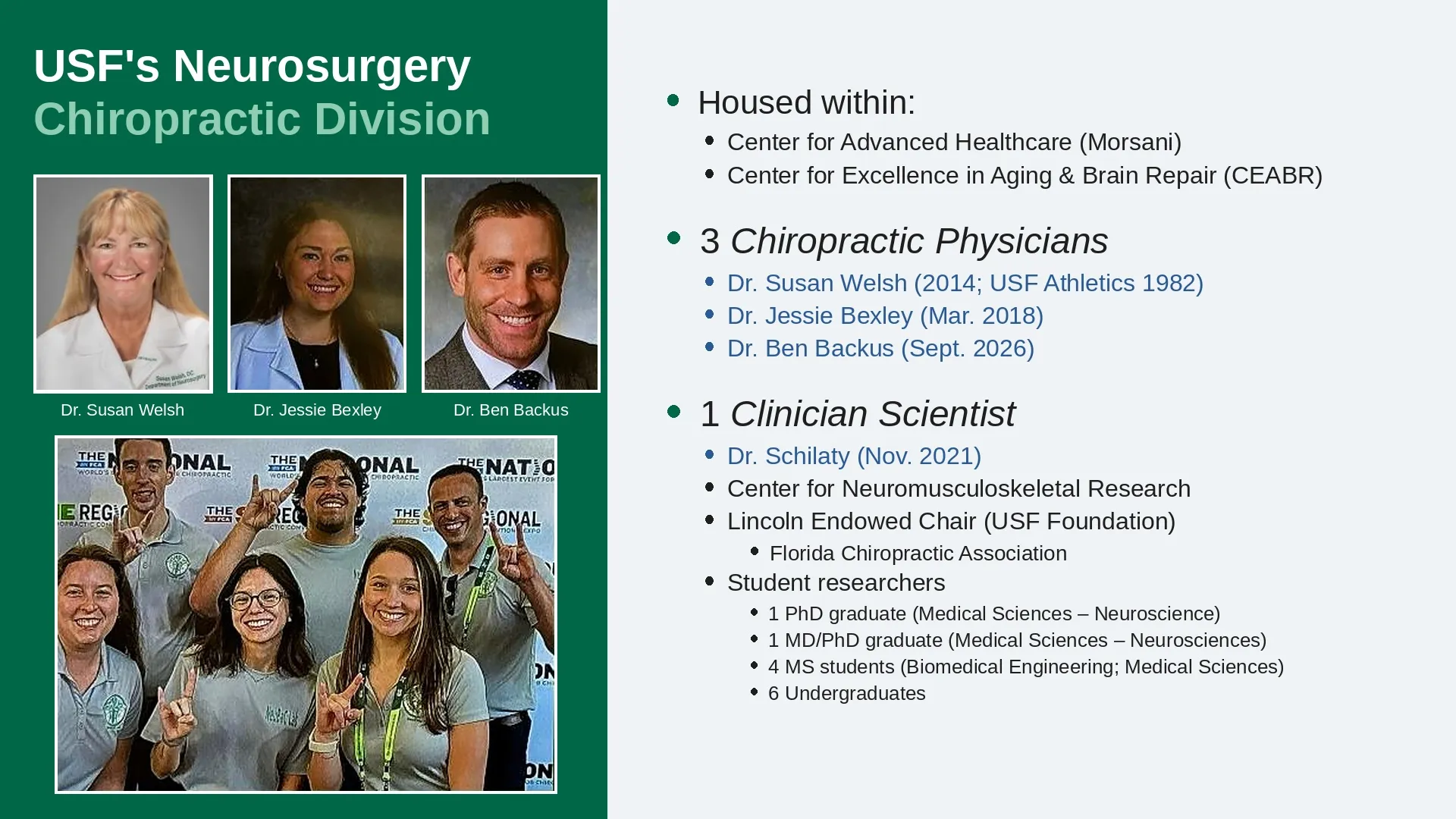
Looking for a Boston chiropractor focused on conservative, drug-free spine care? At Charles Street Family Chiropractic in Beacon Hill, Dr. Chris Quigley helps patients with back pain, neck pain, sciatica, disc problems, and recurring spinal conditions. Chiropractic care can support mobility, function, and active living while reducing reliance on medications and invasive procedures. Even major medical centers, including the University of South Florida Neurosurgery program, are integrating chiropractic care into collaborative spine treatment and research.
A 2015 MRI study found signs of alar ligament injury in 55% of older patients whose chronic neck pain had no other identifiable cause. For Boston and Massachusetts personal injury attorneys, that finding speaks to a familiar problem: the client who still hurts months after a car crash, but whose standard imaging reads as “normal” or “age-related degeneration.”
The number that should stop every elective-surgery patient in their tracks is 94%. In a large 2017 Journal of Pain Research study of 1,842 people who had undergone lumbar spine surgery, 94% reported some degree of residual low-back pain. That does not mean 94% had severe pain, nor does it mean 94% of the operations were surgical failures. But for an invasive procedure that many patients understandably hope will eliminate their back pain, the persistence of any low-back pain in such a large proportion of respondents is difficult to dismiss. The same study found that 20.6% met the researchers’ criteria for failed back surgery syndrome —roughly one out of every five patients. Residual numbness was reported by 69.8%, cold sensations by 43.3%, and paresthesia such as tingling or abnormal sensations by 35.3%.