Offering Specialized Scoliosis Treatment for Adults in Boston, MA
We’ve all heard the term ‘scoliosis,’ but how many of us truly understand what it means? At Charles Street Family Chiropractic, here to demystify scoliosis and provide effective solutions to those in need.
What is Scoliosis?
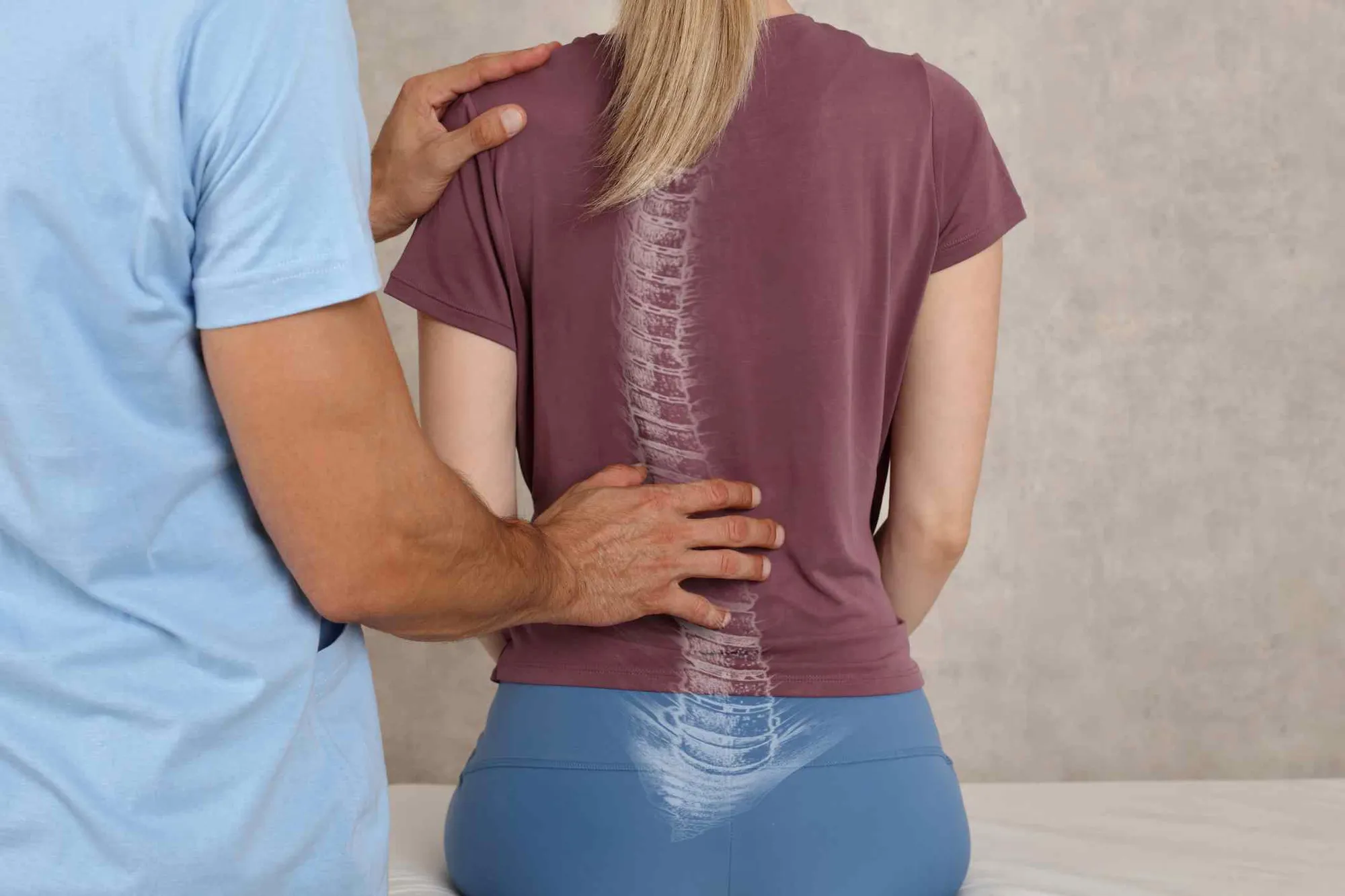
Scoliosis refers to an abnormal curvature of the spine. Instead of a straight line, a person with scoliosis might have a spine that curves in an “S” or “C” shape. The causes vary—some people are born with it (congenital scoliosis), while others develop it later in life due to factors like posture, injuries, or other conditions. Regardless of the cause, Charles Street Family Chiropractic in Boston, MA, has the expertise to help manage and alleviate its symptoms.
The Role of Chiropractic Care in Managing Scoliosis
We take pride in offering chiropractic care, an evidence-based and non-invasive therapeutic approach recognized for its potential to augment traditional medical treatments for Scoliosis. Our primary objective is to enhance the body’s inherent healing capabilities, promoting overall wellness and providing meaningful pain relief for our patients. Our chiropractic care, especially spinal adjustments, plays a crucial role in managing Scoliosis symptoms. By improving spinal alignment, we can optimize nervous system function and alleviate muscle tension and inflammation. These adjustments directly contribute to relieving pain frequently associated with Scoliosis. Furthermore, our chiropractic approach is not just about pain relief. We aim to provide holistic support, promoting better posture and increased mobility, leading to an improved quality of life for our patients. Here at Charles Street Family Chiropractic, we don’t just treat conditions—we help people live healthier, more balanced lives.
Why is Early Detection Important?
While mild scoliosis might not be a cause for concern for some, if left untreated, the condition can progress. More pronounced curvatures can lead to more severe health issues, including chronic back pain, respiratory problems, and, in extreme cases, heart issues due to the rib cage pressing against the heart and lungs. That’s why early detection and intervention are crucial. Regular check-ups, especially during growth spurts in adolescence, can catch the progression of scoliosis before it becomes a larger concern. If you’re in Boston, MA, and are living with Scoliosis, consider scheduling an appointment at Charles Street Family Chiropractic to get a comprehensive assessment.
Redefining Your Journey with Scoliosis: The Power of Chiropractic Care
Chronic pain from Scoliosis can be challenging, but it doesn’t have to control your life. At Charles Street Family Chiropractic, we firmly believe that chiropractic care can provide not just potential relief from pain, but an opportunity to enhance your overall quality of life. Our commitment extends beyond providing exceptional care – we strive to uplift your overall health and well-being, regardless of your individual circumstances. We warmly invite you to explore the integration of chiropractic care as a significant component of your comprehensive Scoliosis treatment plan. Our skilled team is prepared to collaborate with your healthcare provider to devise a treatment plan that’s uniquely tailored for you.
Scoliosis Transformation Story
“My favorite success story in taking care of a scoliosis patient was several years ago. A Navy ROTC student was three months away from graduation and wanted to be a fighter pilot. Unfortunately, he had a 24-degree scoliosis curve and Navy rules do not allow pilots to have more than a 20-degree curve scoliosis. After evaluating his spine, I told him that I could help him. In those three short months, we decreased the scoliosis to 14 degrees! His Commanding Officer told him that the initial measurements must have been wrong, but we know his secret. Now he is a fighter pilot.”
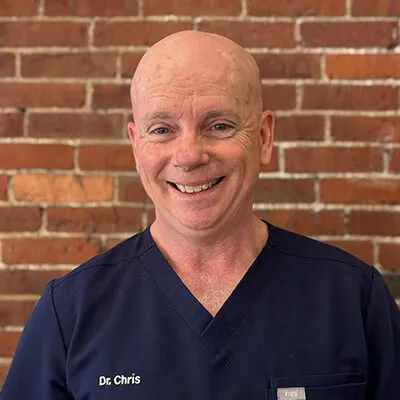
Dr. Chris Quigley
Take Your First Step Towards a Pain-Free Future
At Charles Street Family Chiropractic, we are more than a chiropractic care center, we are your trusted partner in the journey towards a healthier, more balanced life. Are you ready to uncover the difference chiropractic care can make in your life with Scoliosis? Don’t hesitate to contact us today to schedule an appointment or to learn more about our services. Let us take the first step together towards a future where your pain is eased, and your health is prioritized.
“I was majoring in chemistry at Villanova University when my path turned to chiropractic. I was going on interviews to be a pharmaceutical sales representative, and they always asked me what I wanted to be doing in five years. My answer was always the same: “I want to be helping people, enjoying my work, while making a difference.”
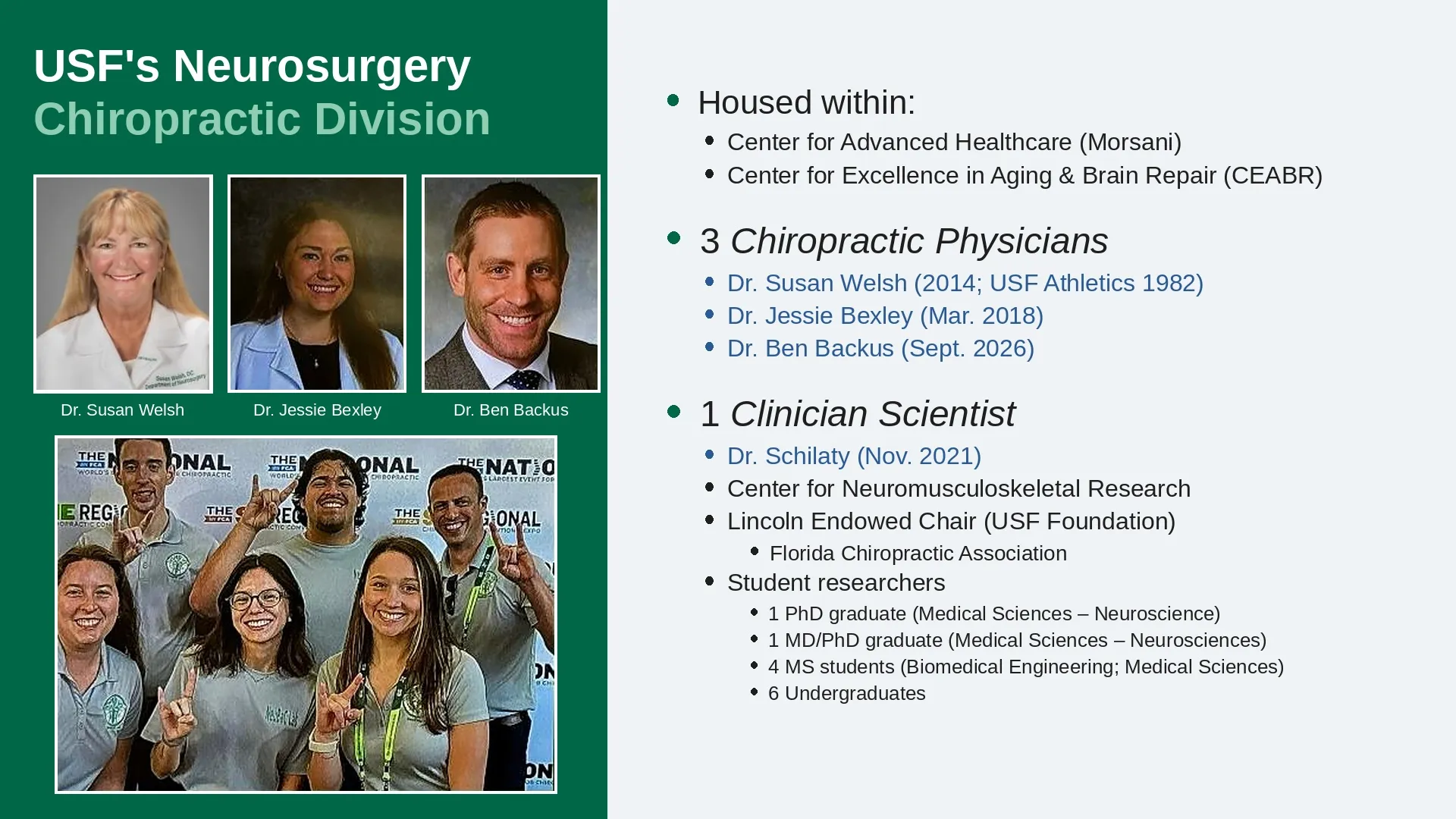
Looking for a Boston chiropractor focused on conservative, drug-free spine care? At Charles Street Family Chiropractic in Beacon Hill, Dr. Chris Quigley helps patients with back pain, neck pain, sciatica, disc problems, and recurring spinal conditions. Chiropractic care can support mobility, function, and active living while reducing reliance on medications and invasive procedures. Even major medical centers, including the University of South Florida Neurosurgery program, are integrating chiropractic care into collaborative spine treatment and research.
A 2015 MRI study found signs of alar ligament injury in 55% of older patients whose chronic neck pain had no other identifiable cause. For Boston and Massachusetts personal injury attorneys, that finding speaks to a familiar problem: the client who still hurts months after a car crash, but whose standard imaging reads as “normal” or “age-related degeneration.”
The number that should stop every elective-surgery patient in their tracks is 94%. In a large 2017 Journal of Pain Research study of 1,842 people who had undergone lumbar spine surgery, 94% reported some degree of residual low-back pain. That does not mean 94% had severe pain, nor does it mean 94% of the operations were surgical failures. But for an invasive procedure that many patients understandably hope will eliminate their back pain, the persistence of any low-back pain in such a large proportion of respondents is difficult to dismiss. The same study found that 20.6% met the researchers’ criteria for failed back surgery syndrome —roughly one out of every five patients. Residual numbness was reported by 69.8%, cold sensations by 43.3%, and paresthesia such as tingling or abnormal sensations by 35.3%.