Sudden cardiac death (SCD) remains one of the leading causes of mortality worldwide. It often strikes without warning, leaving little time for intervention. While medical technology continues to advance, prevention remains the most effective strategy in combating this silent killer. One area of growing interest is the role of nutrition, specifically, the impact of long-chain omega-3 fatty acids on heart health. Our Boston chiropractors at Charles Street Family Chiropractic have been advocates of taking omega-3 supplements for many years.
A pivotal study published in the New England Journal of Medicine titled “Blood Levels of Long-Chain n-3 Fatty Acids and the Risk of Sudden Death” sheds light on a potential game-changer: the omega-3 fatty acids EPA (eicosapentaenoic acid) and DHA (docosahexaenoic acid), primarily found in fatty fish.
The Study at a Glance
This landmark study followed a cohort of men without known cardiovascular disease and measured their blood levels of long-chain omega-3 fatty acids. Researchers then tracked the participants for cases of sudden cardiac death. The results were striking.
Men with the highest levels of omega-3s in their blood had a significantly lower risk—up to 90% lower—of sudden cardiac death compared to those with the lowest levels. Importantly, even modest increases in omega-3 levels were associated with meaningful risk reductions.
This inverse relationship between omega-3 levels and SCD risk remained consistent even after adjusting for traditional cardiovascular risk factors such as smoking, cholesterol, and hypertension.
Why Omega-3s Matter for the Heart
Omega-3 fatty acids, particularly EPA and DHA, are essential fats that play a crucial role in maintaining cardiovascular health. Unlike saturated fats, omega-3s have been shown to:
Reduce inflammation in blood vessels
Improve heart rhythm stability
Lower triglyceride levels
Decrease blood clot formation
When incorporated into heart cell membranes, these fatty acids help maintain electrical stability and reduce the likelihood of arrhythmias—a major trigger of sudden cardiac arrest.
Dietary Sources of Long-Chain Omega-3s
Your body can’t produce EPA and DHA in sufficient amounts, so you need to get them from your diet. Some of the richest sources include:
Fatty fish: Salmon, mackerel, sardines, anchovies, and herring
Fish oil supplements: Available over the counter in capsule or liquid form. We have recommended only the highest-quality fish oil supplements. Currently, we stock Nordic Naturals.
Algal oil: A plant-based source of DHA, ideal for vegetarians and vegans. These are helpful, but not very potent.
Experts generally recommend eating fatty fish at least twice a week. For those who don’t consume fish, supplements can be an effective alternative, though quality and dosage vary.
Implications for Public Health
The implications of this study are profound. Sudden cardiac death accounts for a large proportion of cardiac-related deaths, and often affects individuals with no prior history of heart disease. If something as simple as increasing omega-3 intake can significantly reduce this risk, it becomes a powerful tool in preventive cardiology.
Moreover, omega-3 supplementation is low-cost, widely accessible, and carries a strong safety profile, making it an attractive strategy for individuals and healthcare systems alike.
We strongly recommend blood testing to test your levels of omega-3. We offer a finger-prick blood test to determine your omega-6 to omega-3 ratio. Ask Dr. Chris today to get yours. The optimal level is from 1.5 to 3. The average American is an 11 and the two most recent tests in our office were in the twenty’s. In the past, we tested someone in the sixty’s. Dr. Chris’s most recent score was 4.2. We are selling the tests at our cost of $80 for the month of June.
“I was majoring in chemistry at Villanova University when my path turned to chiropractic. I was going on interviews to be a pharmaceutical sales representative, and they always asked me what I wanted to be doing in five years. My answer was always the same: “I want to be helping people, enjoying my work, while making a difference.”
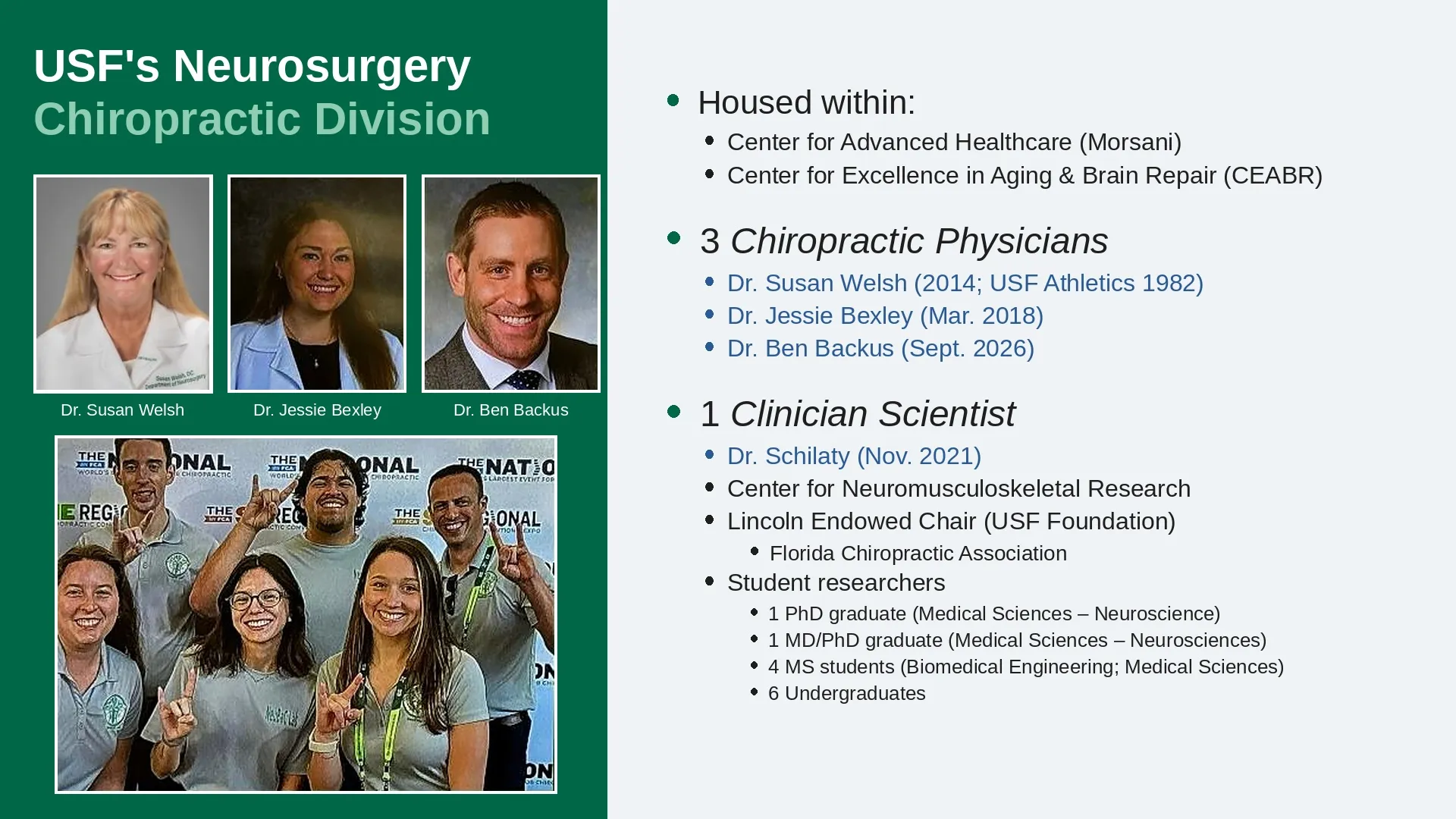
Looking for a Boston chiropractor focused on conservative, drug-free spine care? At Charles Street Family Chiropractic in Beacon Hill, Dr. Chris Quigley helps patients with back pain, neck pain, sciatica, disc problems, and recurring spinal conditions. Chiropractic care can support mobility, function, and active living while reducing reliance on medications and invasive procedures. Even major medical centers, including the University of South Florida Neurosurgery program, are integrating chiropractic care into collaborative spine treatment and research.
A 2015 MRI study found signs of alar ligament injury in 55% of older patients whose chronic neck pain had no other identifiable cause. For Boston and Massachusetts personal injury attorneys, that finding speaks to a familiar problem: the client who still hurts months after a car crash, but whose standard imaging reads as “normal” or “age-related degeneration.”
The number that should stop every elective-surgery patient in their tracks is 94%. In a large 2017 Journal of Pain Research study of 1,842 people who had undergone lumbar spine surgery, 94% reported some degree of residual low-back pain. That does not mean 94% had severe pain, nor does it mean 94% of the operations were surgical failures. But for an invasive procedure that many patients understandably hope will eliminate their back pain, the persistence of any low-back pain in such a large proportion of respondents is difficult to dismiss. The same study found that 20.6% met the researchers’ criteria for failed back surgery syndrome —roughly one out of every five patients. Residual numbness was reported by 69.8%, cold sensations by 43.3%, and paresthesia such as tingling or abnormal sensations by 35.3%.