If you’re living with chronic low back pain, sciatica, or a herniated disc, you’ve probably heard the same advice over and over again: “Take some medication, try physical therapy, get an injection—and if that doesn’t work, surgery may be your next option.”
But what if there was another evidence-based, non-surgical treatment worth considering?
A September 2025 study published in Military Medicine examined the effectiveness of non-surgical spinal decompression for patients suffering from chronic low back pain. The findings suggest that this conservative treatment may significantly reduce pain and improve function for many patients, offering hope before considering more invasive procedures.
For patients throughout Boston, Beacon Hill, Back Bay, Cambridge, Brookline, Quincy, Newton, Somerville, and Greater Boston, that’s welcome news.
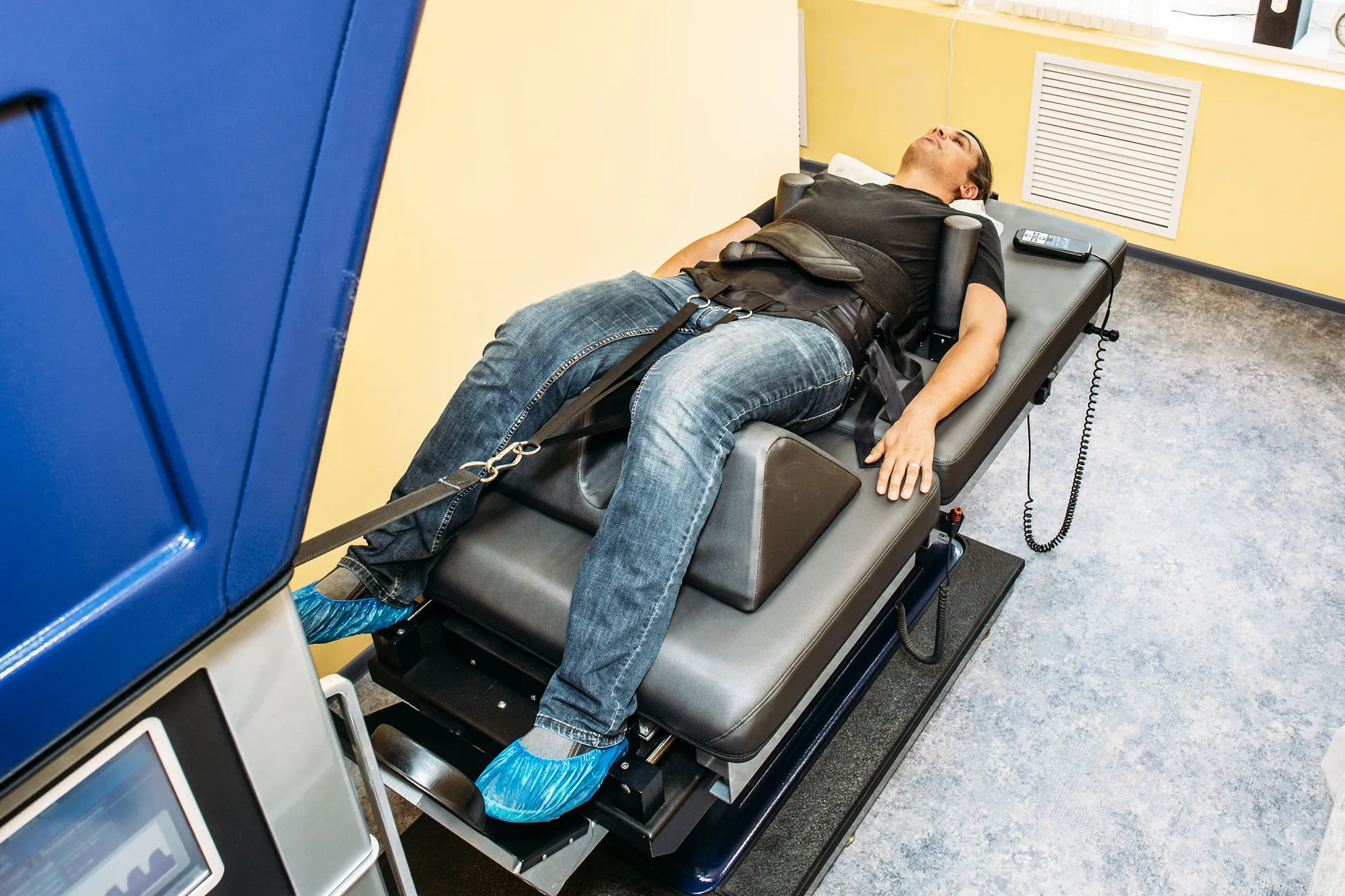
Non-surgical spinal decompression is a computerized treatment designed to gently stretch the spine in a controlled manner. Unlike traditional traction, modern spinal decompression systems use sophisticated computer technology to precisely control the amount of force applied to the spine while minimizing muscle guarding.
The goal is to:
Reduce pressure inside damaged spinal discs
Relieve compression on spinal nerves
Improve the flow of oxygen and nutrients into injured discs
Encourage the body’s natural healing process
Reduce pain and improve mobility
For patients with chronic low back pain, herniated discs, bulging discs, degenerative disc disease, or sciatica, spinal decompression offers a conservative treatment option that does not involve injections or surgery.
What Did the Study Find?
Researchers conducted a retrospective chart review evaluating patients who underwent non-surgical spinal decompression for chronic low back pain.
The investigators reviewed 267 patient records to determine whether treatment resulted in meaningful improvements in pain and function.
The results were encouraging.
The study reported that patients experienced statistically significant reductions in pain following their course of spinal decompression therapy. Many patients also demonstrated meaningful improvements in their ability to perform daily activities and reported better overall function after treatment.
While this type of study cannot prove cause and effect as strongly as a randomized controlled trial, it does provide valuable real-world evidence that many patients benefit from non-surgical spinal decompression.
Why Conservative Treatment Matters
Low back pain is one of the leading causes of disability worldwide.
Unfortunately, many patients are caught in a frustrating cycle of:
Pain medication
Temporary relief
Recurrent pain
More medication
Injections
Considering surgery
The authors noted that conservative therapies capable of reducing pain and improving function may help some patients avoid more invasive interventions.
For many people, that’s exactly the goal.
Who May Benefit?
Although every patient requires an individual evaluation, non-surgical spinal decompression is commonly considered for patients suffering from:
Herniated lumbar discs
Bulging discs
Degenerative disc disease
Sciatica
Lumbar spinal stenosis
Chronic low back pain
Pinched nerves
Not every patient is a candidate, which is why a thorough examination and review of imaging studies are important before beginning treatment.
Why Boston Patients Choose Conservative Care First
Many patients understandably want to exhaust conservative treatment options before considering surgery.
At Charles Street Family Chiropractic, we believe that every patient deserves a thorough evaluation and an individualized treatment plan based on their diagnosis, symptoms, and goals.
For appropriate candidates, treatment may include:
Chiropractic adjustments
Non-surgical spinal decompression
Therapeutic exercise
Soft tissue therapy
Cold laser therapy
Postural correction
Home rehabilitation exercises
Lifestyle and ergonomic recommendations
Rather than simply masking symptoms, our goal is to identify the underlying mechanical cause of your pain and help restore normal spinal function.
What This Means for Boston Patients
If you’re searching for a Boston chiropractor for low back pain, non-surgical spinal decompression in Boston, herniated disc treatment in Boston, or sciatica treatment without surgery, this latest research provides another reason to consider conservative care.
The findings from Military Medicine add to a growing body of scientific literature suggesting that non-surgical spinal decompression may help reduce pain and improve function in selected patients with chronic lumbar spine conditions.
While no single treatment is right for everyone, many patients are surprised to learn that surgery is not always their only option.
The Bottom Line
Chronic low back pain can affect every aspect of your life—from work and family activities to exercise and sleep.
This new research supports what many patients have experienced firsthand: carefully selected individuals may experience meaningful improvements in pain and function through non-surgical spinal decompression.
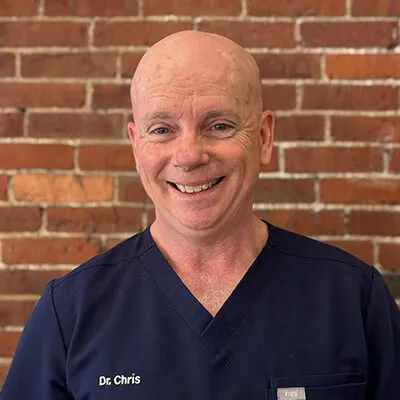
If you’re suffering from back pain, sciatica, a bulging disc, or a herniated disc in Boston, Cambridge, Quincy, Brookline, Newton, or anywhere in Greater Boston, schedule a consultation with Dr. Chris Quigley at Charles Street Family Chiropractic.
A comprehensive examination can determine whether non-surgical spinal decompression is appropriate for your condition and help you explore conservative, evidence-based options before considering injections or surgery. If you have done an MRI, please bring the results with you.
“I was majoring in chemistry at Villanova University when my path turned to chiropractic. I was going on interviews to be a pharmaceutical sales representative, and they always asked me what I wanted to be doing in five years. My answer was always the same: “I want to be helping people, enjoying my work, while making a difference.”
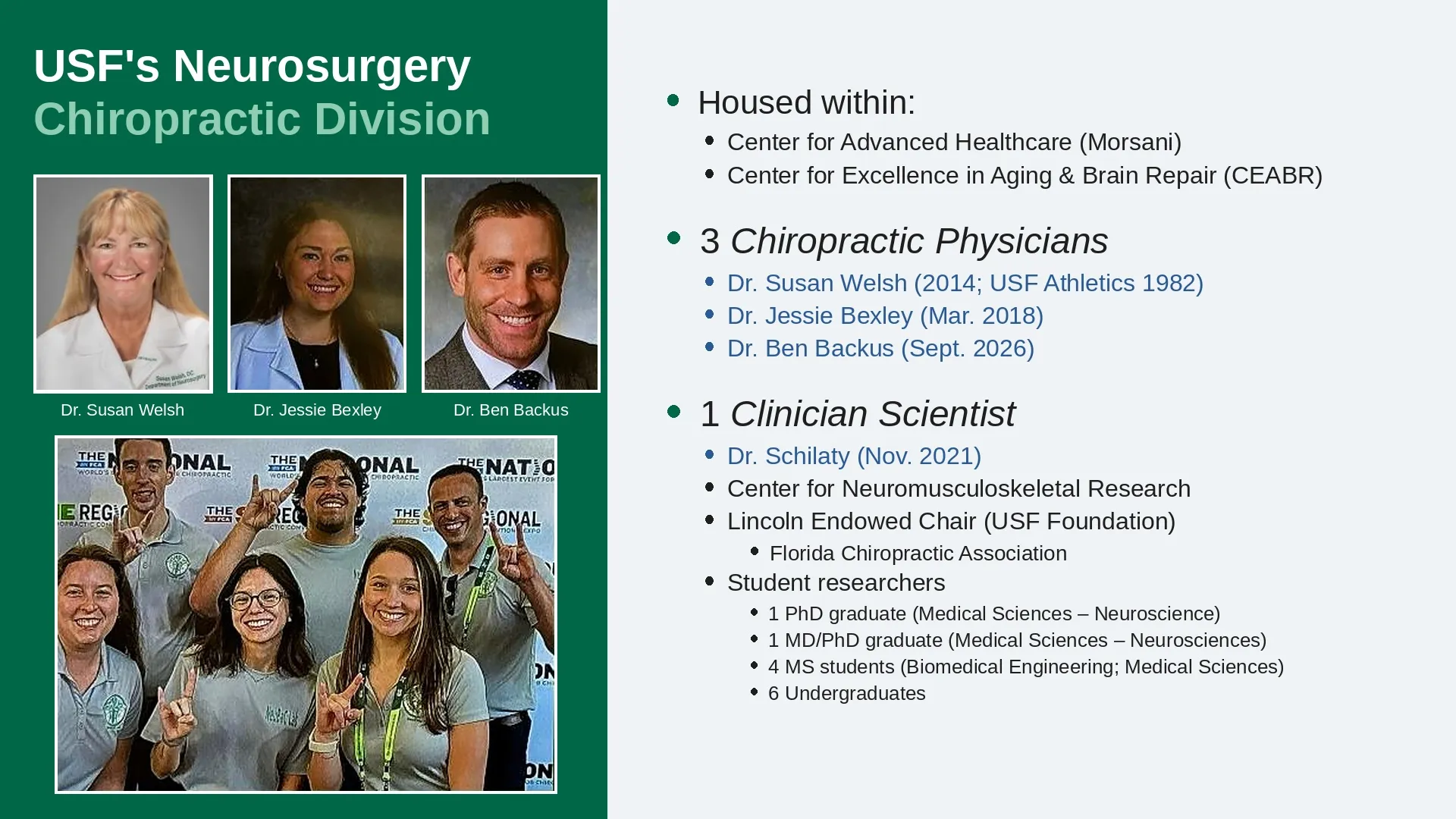
Looking for a Boston chiropractor focused on conservative, drug-free spine care? At Charles Street Family Chiropractic in Beacon Hill, Dr. Chris Quigley helps patients with back pain, neck pain, sciatica, disc problems, and recurring spinal conditions. Chiropractic care can support mobility, function, and active living while reducing reliance on medications and invasive procedures. Even major medical centers, including the University of South Florida Neurosurgery program, are integrating chiropractic care into collaborative spine treatment and research.
A 2015 MRI study found signs of alar ligament injury in 55% of older patients whose chronic neck pain had no other identifiable cause. For Boston and Massachusetts personal injury attorneys, that finding speaks to a familiar problem: the client who still hurts months after a car crash, but whose standard imaging reads as “normal” or “age-related degeneration.”
The number that should stop every elective-surgery patient in their tracks is 94%. In a large 2017 Journal of Pain Research study of 1,842 people who had undergone lumbar spine surgery, 94% reported some degree of residual low-back pain. That does not mean 94% had severe pain, nor does it mean 94% of the operations were surgical failures. But for an invasive procedure that many patients understandably hope will eliminate their back pain, the persistence of any low-back pain in such a large proportion of respondents is difficult to dismiss. The same study found that 20.6% met the researchers’ criteria for failed back surgery syndrome —roughly one out of every five patients. Residual numbness was reported by 69.8%, cold sensations by 43.3%, and paresthesia such as tingling or abnormal sensations by 35.3%.