If you’ve been told that your only options for a herniated disc are pain medication, injections, or surgery, you’re not alone.
Every year, thousands of people in Boston, Cambridge, Quincy, Newton, Brookline, Somerville, and throughout Greater Boston struggle with chronic low back pain, sciatica, degenerative disc disease, and bulging or herniated discs. Many try medications, physical therapy, injections, or other conservative treatments with only partial relief.
A March 2025 study in the Journal of Contemporary Chiropractic examined another conservative option—non-surgical spinal decompression—and the results are encouraging for patients looking to avoid surgery.
What Is Non-Surgical Spinal Decompression?
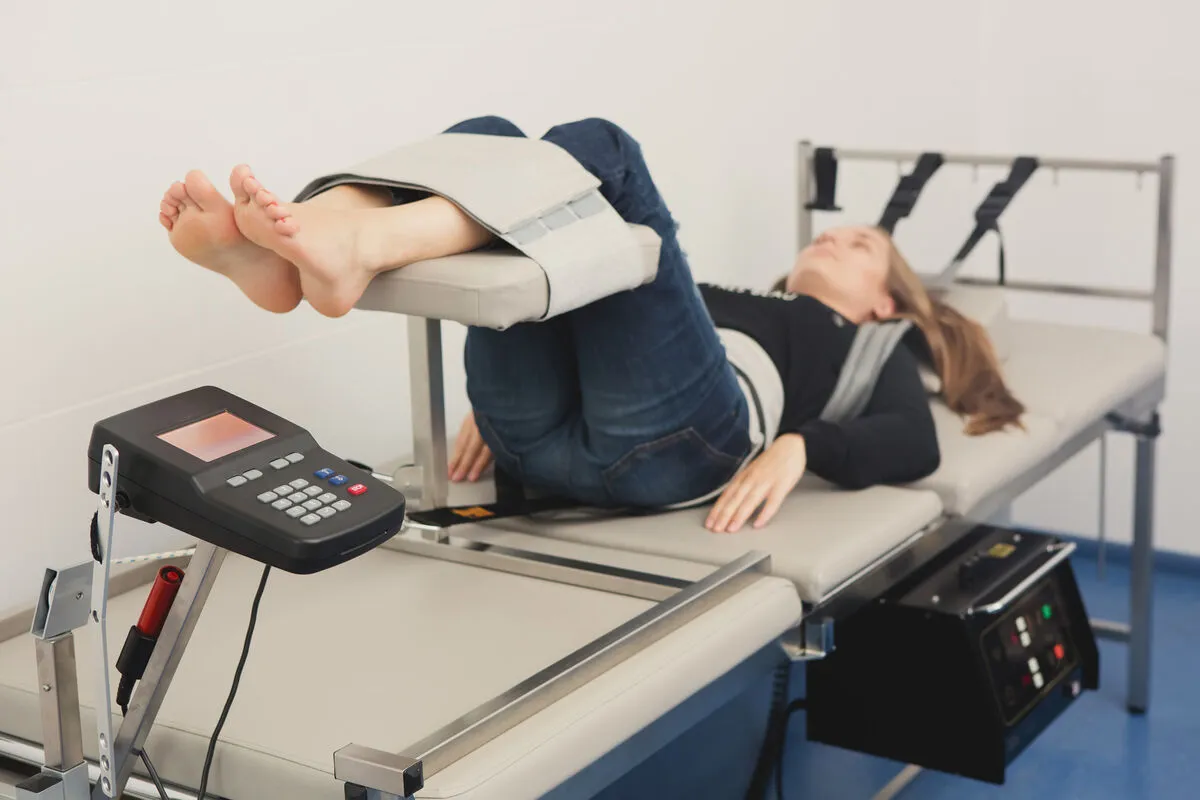
Non-surgical spinal decompression is a targeted, computerized treatment that gently stretches the spine using precise, controlled forces. Unlike traditional traction, advanced decompression systems are designed to reduce pressure within damaged spinal discs while minimizing muscle guarding.
The goal is to:
Reduce pressure on irritated spinal nerves
Improve the flow of nutrients and oxygen into damaged discs
Encourage the body’s natural healing processes
Reduce pain and inflammation
Improve spinal mobility and function
For many patients suffering from lumbar disc injuries, this treatment offers a conservative alternative before considering injections or surgery.
What Did the Research Find?
Researchers evaluated 13 patients between the ages of 18 and 82 who had MRI-confirmed lumbar disc injuries, including herniated and bulging discs.
Each participant completed 20 treatments of non-surgical spinal decompression.
Researchers evaluated both clinical outcomes and MRI findings before and after treatment.
The results were impressive.
Patients experienced:
80% reduction in pain
50% improvement in disability scores
75% improvement in activities of daily living
Significant improvements in MRI measurements, including:
Increased disc height
Increased spinal canal dimensions
Perhaps most encouraging, only one patient experienced a recurrence of symptoms during the reported follow-up period, and that patient improved after receiving additional decompression treatments.
Why These Findings Matter
Many treatments focus only on reducing pain.
This study looked beyond symptom relief.
Two independent radiologists evaluated each patient’s MRI before and after treatment.
The investigators found measurable improvements in disc height and spinal canal dimensions that occurred alongside significant improvements in pain and function.
While this was a case series rather than a large randomized clinical trial, the combination of objective MRI findings and meaningful clinical improvement makes these results especially encouraging and supports further research.
Who May Benefit From Spinal Decompression?
The patients included in the study suffered from conditions commonly seen in chiropractic offices, including:
Many had already attempted other forms of treatment, including medications, physical therapy, chiropractic care, injections, or activity modification before beginning spinal decompression.
Why Conservative Care Should Be Considered First
For many patients, surgery is not the first—or the best—option.
Although surgery is appropriate for certain conditions, many people with disc injuries improve with conservative care that addresses the underlying biomechanics of the spine.
Non-surgical spinal decompression is designed to reduce pressure inside the damaged disc, allowing the body a better opportunity to heal naturally while relieving pressure on irritated spinal nerves.
When combined with chiropractic care, rehabilitation exercises, and patient education, spinal decompression may provide an effective non-invasive treatment option for carefully selected patients.
Boston’s Trusted Choice for Non-Surgical Spinal Decompression
If you’re suffering from a herniated disc, sciatica, degenerative disc disease, or chronic low back pain in Boston, Beacon Hill, Back Bay, Cambridge, Brookline, Quincy, Newton, Somerville, or anywhere in Greater Boston, you don’t have to assume surgery is your only option.
At Charles Street Family Chiropractic, Dr. Chris Quigley provides comprehensive evaluations to determine whether you are a candidate for non-surgical spinal decompression.
Every treatment plan is individualized and may include:
Chiropractic adjustments
Non-surgical spinal decompression
Therapeutic exercise
Cold laser therapy
Soft tissue rehabilitation
Postural correction
Lifestyle and ergonomic recommendations
The goal is simple: reduce pain, restore function, and help patients return to the activities they enjoy without unnecessary surgery whenever possible.
The Bottom Line
Back pain affects millions of Americans every year, but surgery is not always the answer.
This recent study adds to the growing body of scientific evidence suggesting that non-surgical spinal decompression may significantly reduce pain, improve daily function, and even produce measurable improvements on MRI in selected patients with lumbar disc injuries.
If you’re looking for the best chiropractor for a herniated disc in Boston, non-surgical spinal decompression in Boston, sciatica treatment in Boston, or back pain relief without surgery, schedule a consultation with Dr. Chris Quigley at Charles Street Family Chiropractic.
A thorough examination is the first step toward determining the cause of your pain—and finding the most appropriate, evidence-based treatment to help you get your life back.
Reference
Connolly JA, Luginsland LA, Welsh S, Bexley JA, Pirone J, Martin WR, Thorpe S, Schilaty ND. Clinical and Imaging Outcomes of Non-Surgical Spinal Decompression for Lumbar Intervertebral Disc Lesions: A Case Series.Journal of Contemporary Chiropractic. 2025;8(1):81-87.
“I was majoring in chemistry at Villanova University when my path turned to chiropractic. I was going on interviews to be a pharmaceutical sales representative, and they always asked me what I wanted to be doing in five years. My answer was always the same: “I want to be helping people, enjoying my work, while making a difference.”
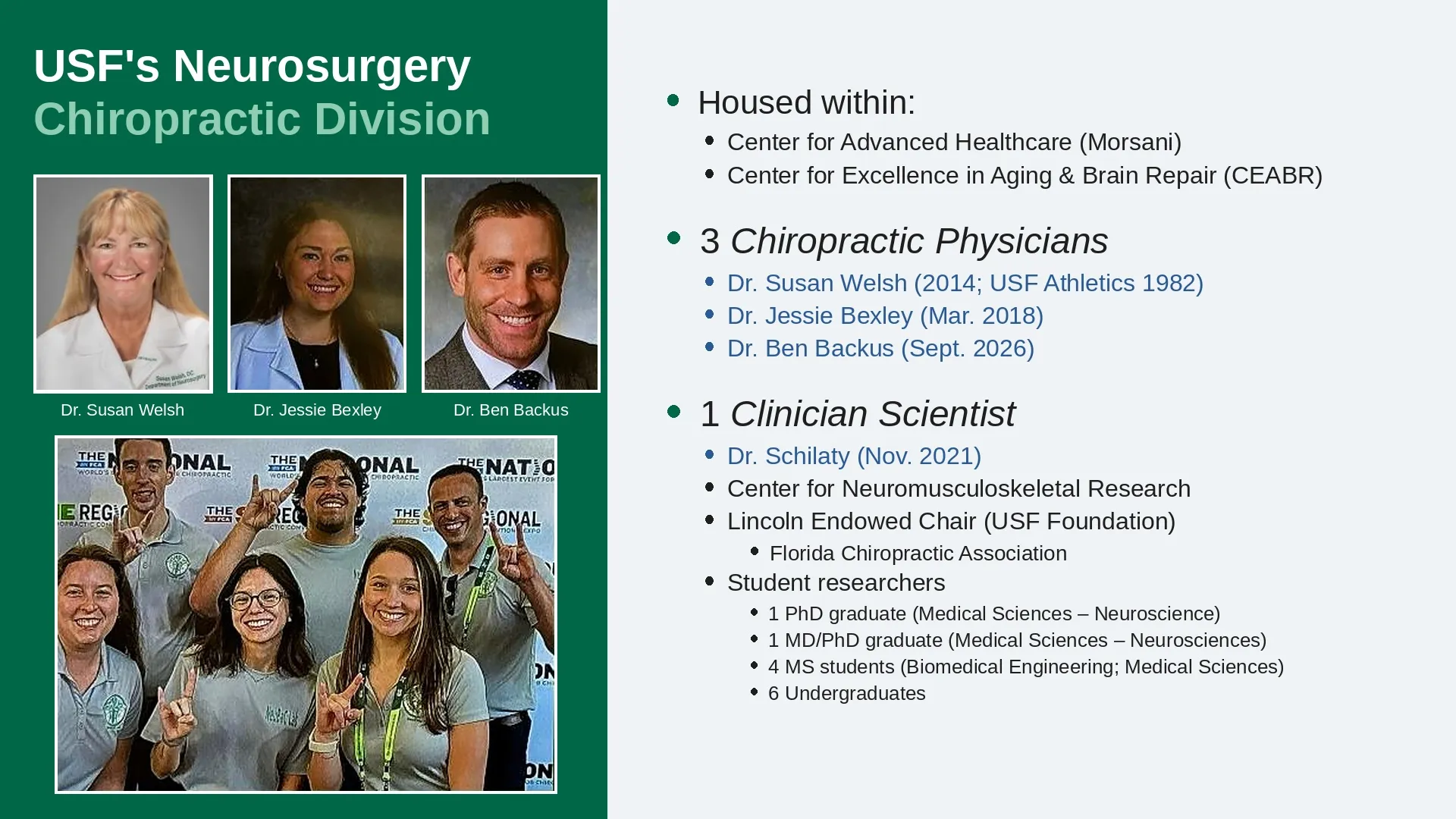
Looking for a Boston chiropractor focused on conservative, drug-free spine care? At Charles Street Family Chiropractic in Beacon Hill, Dr. Chris Quigley helps patients with back pain, neck pain, sciatica, disc problems, and recurring spinal conditions. Chiropractic care can support mobility, function, and active living while reducing reliance on medications and invasive procedures. Even major medical centers, including the University of South Florida Neurosurgery program, are integrating chiropractic care into collaborative spine treatment and research.
A 2015 MRI study found signs of alar ligament injury in 55% of older patients whose chronic neck pain had no other identifiable cause. For Boston and Massachusetts personal injury attorneys, that finding speaks to a familiar problem: the client who still hurts months after a car crash, but whose standard imaging reads as “normal” or “age-related degeneration.”
The number that should stop every elective-surgery patient in their tracks is 94%. In a large 2017 Journal of Pain Research study of 1,842 people who had undergone lumbar spine surgery, 94% reported some degree of residual low-back pain. That does not mean 94% had severe pain, nor does it mean 94% of the operations were surgical failures. But for an invasive procedure that many patients understandably hope will eliminate their back pain, the persistence of any low-back pain in such a large proportion of respondents is difficult to dismiss. The same study found that 20.6% met the researchers’ criteria for failed back surgery syndrome —roughly one out of every five patients. Residual numbness was reported by 69.8%, cold sensations by 43.3%, and paresthesia such as tingling or abnormal sensations by 35.3%.