If you’ve been told you have a disc extrusion, chances are the next sentence sounded something like this:
“Yeah… you’re probably going to need surgery.”
Cue dramatic music. Maybe a slow zoom. Possibly a tear.
But here’s the reality: a lot of patients start planning surgery… when in many cases, they don’t actually need it.
Let’s break this down—without the doom-and-gloom.
What Is a Disc Extrusion? (And Why It Hurts So Much)
Your spinal discs act like shock absorbers between your vertebrae—think jelly donut, but slightly less delicious.
Each disc has:
A tough outer ring (annulus fibrosus)
A soft gel center (nucleus pulposus)
Disc problems exist on a spectrum:
Bulge: Disc pushes outward, still intact
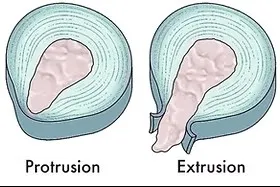
Protrusion: Inner material pushes into a weak spot
Extrusion: Inner material breaks through the outer wall
Sequestration: A fragment breaks off completely
A disc extrusion is the serious one—because that escaped material can press directly on a nerve.
And when that happens:
🔥 Shooting leg pain (sciatica) ⚡ Numbness or tingling 💪 Weakness 😩 “Nothing is working” frustration
Why Surgery Is Often Recommended First
The thinking goes like this:
“If the disc material is out… we should remove it.”
Logical—but incomplete.
Here’s what often gets missed:
👉 Your body can reabsorb disc material naturally 👉 Pain is caused by nerve pressure, not just the presence of the disc
So if you reduce the pressure…
You can reduce the symptoms—without cutting.
Non-Surgical Spinal Decompression: What It Actually Does
Non-surgical spinal decompression therapy uses a computer-controlled table to apply precise, rhythmic traction to the spine.
When done correctly, it creates negative pressure inside the disc—a vacuum effect.
That vacuum does two key things:
1. Pulls disc material away from the nerve
Reducing compression = reducing pain.
2. Rehydrates the disc
Discs don’t have a great blood supply. Decompression helps pull in fluid and nutrients so healing can begin.
Why Most Decompression Treatments Fail
Let’s be honest—many clinics say they offer decompression.
But there’s a big difference between: 👉 Targeted decompression 👉 And generic stretching
If the treatment doesn’t:
Target the exact disc level
Account for the direction of herniation
Use the correct angle of pull
Then it’s not treating the problem.
It’s just stretching your spine and hoping something good happens.
What the Research Shows About Disc Extrusions
Here’s where things get interesting.
Research—including studies published in The Journal of Contemporary Chiropractic—has shown that:
👉 Disc herniations and extrusions can physically shrink with non-surgical spinal decompression
Not just symptom relief.
Actual structural change.
We’re talking:
Measurable reductions on MRI
Significant decreases in nerve compression
Patients avoiding scheduled surgeries
In real-world cases, even large extrusions have been shown to reduce dramatically with properly applied care.
Can You Treat a Disc Extrusion Without Surgery?
The honest answer: Sometimes yes, sometimes no.
Surgery IS necessary when:
There is progressive neurological loss
Loss of bowel or bladder control
Severe instability or emergency conditions
But for many patients?
👉 Non-surgical spinal decompression is a legitimate, evidence-based option
And one that should be explored before committing to surgery.
How to Know If You’re a Candidate
Before choosing a treatment plan, ask:
Has my MRI been reviewed in detail?
Do we know the exact disc level and migration pattern?
Is the treatment customized to my condition?
Because successful decompression isn’t generic—it’s precise.
Final Thought: Don’t Rush Into Surgery
A diagnosis of disc extrusion can feel like a fast track to the operating room.
But here’s the truth:
👉 Your body may be able to heal 👉 Pressure can often be reduced without surgery 👉 The right treatment can change the outcome dramatically
So before you schedule surgery, ask:
“Is there a non-surgical way to reduce the pressure on this nerve?”
Because sometimes…
The best surgery is the one you never needed.
Call to Action
If you’ve been diagnosed with a disc extrusion and want to explore non-surgical options, schedule a consultation to review your MRI and determine if targeted spinal decompression is right for you. Call us today at 617-720-1992.
“I was majoring in chemistry at Villanova University when my path turned to chiropractic. I was going on interviews to be a pharmaceutical sales representative, and they always asked me what I wanted to be doing in five years. My answer was always the same: “I want to be helping people, enjoying my work, while making a difference.”
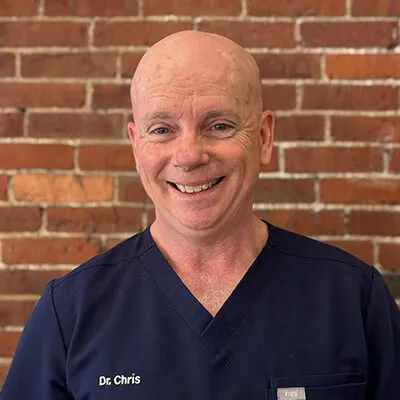
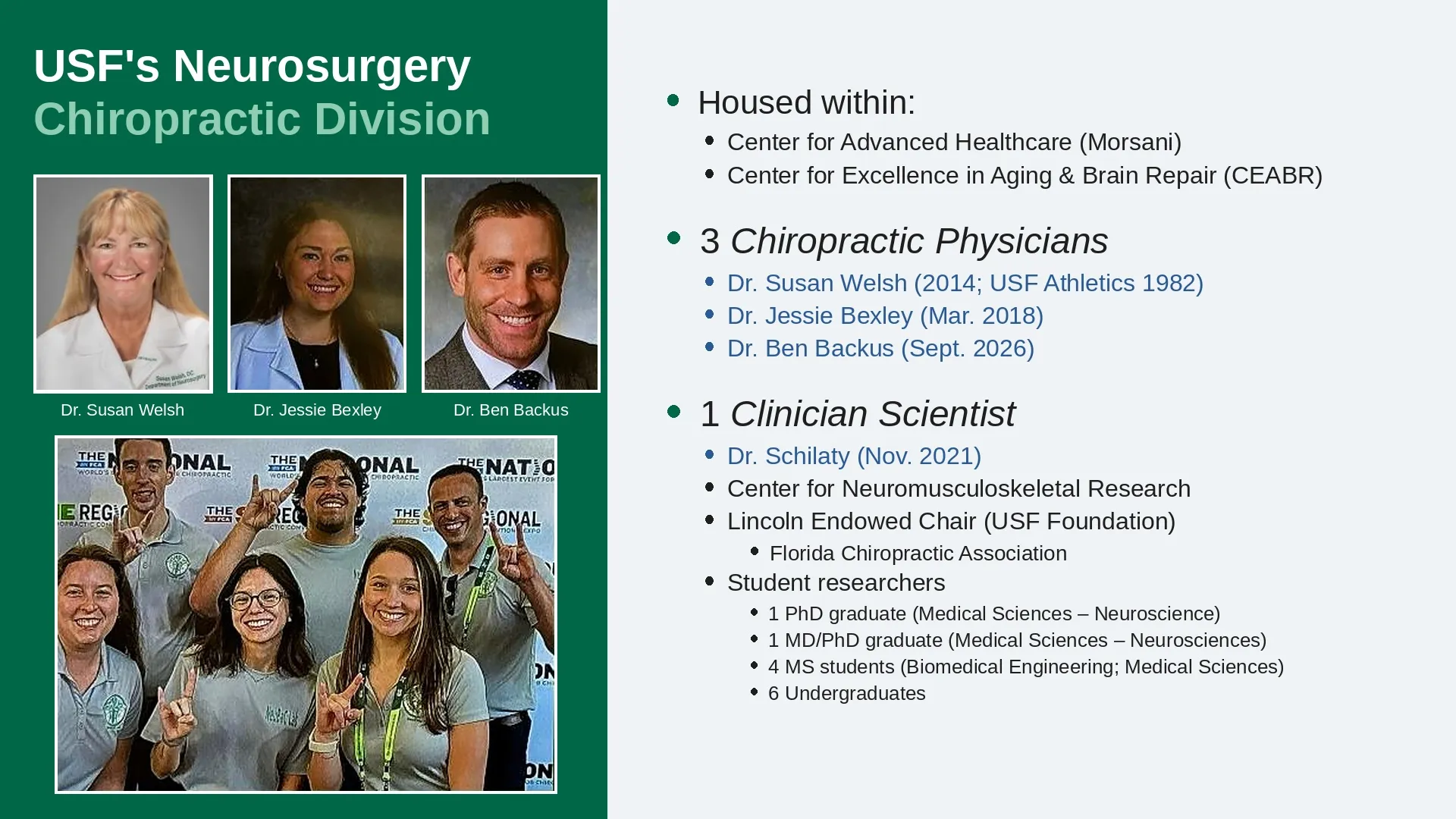
Looking for a Boston chiropractor focused on conservative, drug-free spine care? At Charles Street Family Chiropractic in Beacon Hill, Dr. Chris Quigley helps patients with back pain, neck pain, sciatica, disc problems, and recurring spinal conditions. Chiropractic care can support mobility, function, and active living while reducing reliance on medications and invasive procedures. Even major medical centers, including the University of South Florida Neurosurgery program, are integrating chiropractic care into collaborative spine treatment and research.
A 2015 MRI study found signs of alar ligament injury in 55% of older patients whose chronic neck pain had no other identifiable cause. For Boston and Massachusetts personal injury attorneys, that finding speaks to a familiar problem: the client who still hurts months after a car crash, but whose standard imaging reads as “normal” or “age-related degeneration.”
The number that should stop every elective-surgery patient in their tracks is 94%. In a large 2017 Journal of Pain Research study of 1,842 people who had undergone lumbar spine surgery, 94% reported some degree of residual low-back pain. That does not mean 94% had severe pain, nor does it mean 94% of the operations were surgical failures. But for an invasive procedure that many patients understandably hope will eliminate their back pain, the persistence of any low-back pain in such a large proportion of respondents is difficult to dismiss. The same study found that 20.6% met the researchers’ criteria for failed back surgery syndrome —roughly one out of every five patients. Residual numbness was reported by 69.8%, cold sensations by 43.3%, and paresthesia such as tingling or abnormal sensations by 35.3%.