In the May 2020 issue of the journal, Cancer and Metastasis Reviews1 a group from the University of California, Davis, and Harvard Medical School describe a two-pronged approach to averting the hyper inflammation that occurs in the lungs which are fatal to many of the victims that die from the virus. The article titled, Inflammation Resolution: A Dual-Pronged Approach to Averting Cytokine Storms in COVID-19, discusses the effect that eicosanoids, a group of 100 powerful hormone-like substances that control virtually all physiological actions in your body. The most important thing about eicosanoids is to keep them in balance. These eicosanoids are totally controlled by the diet.2
Medical researchers from the Harvard Medical School, University of California, Davis, Virginia Commonwealth University, and Institute for Systems Biology, Seattle have discovered that chemical molecules called resolvins, could help prevent the cytokine storms caused by the COVID-19 disease. The study was led by assistant professor Dr. Dipak Panigrahy and Dr. Molly Gilligan, both from Harvard Medical School.
Dr. Gilligan notes, “We are now recognizing the importance of controlling this robust inflammatory response in COVID-19 infection in order to reduce associated organ damage and mortality. Finding new ways to dampen the body’s inflammatory response to COVID-19 will likely be as important as finding effective antiviral therapies to control COVID-19 infection and reduce life-threatening organ damage. Moreover, these Resolvins have been found to be non-toxic and non- immunosuppressive in ongoing clinical trials for other inflammatory diseases, making them even more promising candidates for rapid clinical translation.”3
Severe coronavirus disease (COVID-19) caused by the SARS-CoV-2 virus is frequently characterized by pulmonary inflammation. Severe coronavirus disease (COVID-19) is characterized by pulmonary hyper-inflammation and potentially life-threatening ‘cytokinestorms’. Life-threatening ‘cytokine storms’ involving the release of pro-inflammatory cytokines may contribute to the rapid systemic organ failure observed in select critically ill COVID-19 patients. Controlling the local and systemic inflammatory response in COVID-19 may be as important as anti-viral therapies.
Eicosanoidsplay a critical role in the induction of inflammation and pro-inflammatory cytokine production. SARS-CoV-2 may trigger a cell death (‘debris’)-induced ‘eicosanoid storm’, including prostaglandins and leukotrienes, which in turn initiates a robust inflammatory response. SARS-CoV-2 causes massive cell death and cellular debris that activates inflammasomes, which in turn trigger a macrophage-derived ‘eicosanoid storm’, a surge of pro-inflammatory bioactive lipid mediators, such as prostaglandins and leukotrienes, that fuels local inflammation.
A paradigm shift is emerging in our understanding of the resolution of inflammation as an active biochemical process with the discovery of resolvins which “resolve” inflammatory eicosanoids. Resolvins counter pro-inflammatory cytokine production, a process called inflammation resolution. Resolvins and their lipid precursors [omega-3s] exhibit anti-viral activity at nanogram doses in the setting of influenza without being immunosuppressive. Resolvins “also promote anti-viral B cell antibodies and lymphocyte activity, highlighting their potential use in the treatment of corvid-19. Resolvins and other eicosanoid derived molecules attenuate pathological thrombosis and promote clot removal, which is emerging as a key pathology of COVID-19 infection. This resolution of inflammation in COVID-19 may reduce acute respiratory distress syndrome (ARDS) and other life-threatening complications associated with robust viral-induced inflammation. These anti-inflammatory strategies (stimulating inflammation resolution) may benefit COVID-19 management via debris clearance and inflammatory cytokine suppression.
Resolvins are lipid mediators derived from omega-3 fatty acids and serve as the body’s natural “stop” signals to inflammation. These medical researchers found that increasing levels of these resolvins or lipid mediators in the body could be a new therapeutic approach to preventing life-threatening inflammation caused by SARS-CoV-2. What is exciting for us is that these lipid mediators that ‘turn off,’ or resolve, inflammation are already in clinical trials for other inflammation-driven diseases, such as eye disease, periodontal disease, and pain. The mediators can quickly be applied to turn off inflammation in COVID-19 patients. What makes resolvins ideal is that there are basically derived from omega-3 fatty acids that are already proven safe for human consumption, are inexpensive, easily available and consumed.3
The resolution of inflammation is an active biochemical process, and hyper- inflammation may result from a deficit in the active anti-inflammatory biochemical process. Endogenous pro-resolution lipids [omega-3 fatty acids] can terminate the inflammatory response. To sum up this point, these anti-inflammatory compounds decrease the bad eicosanoids and increase the good ones.
Specialized pro-resolving inflammatory mediators including resolvins and other eicosanoid derived molecules mediate endogenous resolution by stimulating macrophage phagocytosis of cellular debris and countering the release of proinflammatory cytokines/chemokines. Loss of these inflammation resolution mechanisms will sustain pathologic inflammation.
Resolvins promote anti-viral B lymphocytic activity in influenza, suggesting they may be a promising therapy for COVID-19. Resolvins also protect against primary influenza infection and promote adaptive immunity.
Resolvins and other eicosanoid derived molecules “down-regulate the transcription regulator NF-?B1, the center of eicosanoid-induced cytokine storms, which promotes the induction of pro-inflammatory cytokines and prostaglandin synthesis via cyclooxygenase(COX). Resolvins and other eicosanoid derived molecules terminate self-sustaining inflammatory processes, such as those induced by COVID-19, by broadly inhibiting proinflammatory cytokine production and promoting a return to tissue homeostasis.
Resolvins and other eicosanoid derived molecules “act at significantly lower doses and are not immunosuppressive.” [ImportantPoint]. In contrast “conventional anti-inflammatory agents such as NSAIDs and COX-2 inhibitors, while limiting the eicosanoid storm, maybe ‘resolution toxic’ as they indiscriminately inhibit eicosanoid pathways that produce resolution mediators and thereby prevent active resolution [meaning they also inhibit the good omega-3 eicosanoid pathways]. Inhibiting the resolution mediator pathway with conventional anti-inflammatory agents such as NSAIDs and COX-2 inhibitors “may potentially facilitate COVID-19-induced tissue injury and progression of the infection.” [A critical point: NSAIDs and COX-2 inhibitors may worsen the tissue injury and the progression of infection, which would include risk of death.]
As demonstrated in many inflammatory disease models, selectively promoting endogenous inflammation resolution mechanisms clears inflammatory exudates more effectively and promotes a return to tissue homeostasis compared with classic anti-inflammatory agents [drugs]. [KeyPoint] Thus, activating endogenous resolution pathways [with omega-3 fatty acids] may be a novel therapeutic approach to limit severe organ damage and improve outcomes in COVID-19patients.
This article adds that adequate levels of omega-3s may reduce the adverseness of the COVID-19 “eicosanoid and cytokine storms,” reducing symptoms, improving clinical outcomes, and possibly reducing deaths. The bottom line is that this is another reason to take omega-3s, as eicosanoid balance is an important factor in optimizing host health.
My family, my long term clients, and I have been taking 3 grams of omega-3 fish oil for many, many years. The anti-inflammatory effects are vital for optimal heart, brain, and joint function. When taking omega-3’s you have to take the good stuff. Low-quality omega-3’s can contain toxins which will cause you problems. When taking omega-3 it is important that you take all-natural vitamin E and a multivitamin. We always stock these for you. Call our office at 617-720-1992 for a consultation.
Those of you who are interested in the chemistry here it is:
ARACHIDONIC ACID
EICOSAPENTAENOIC ACID
20 Carbon LongOmega-6 Fat
20 Carbon Long Omega-3 Fat
COX LOX
COX LOX
Enzymes Enzymes
Enzymes Enzymes
SERIES2 SERIES4
SERIES3 SERIES5
Prostaglandins Leukotrienes
Prostaglandins Leukotrienes
PRO-INFLAMMATORY
ANTI-INFLAMMATORY
Inflammation Resolution: A Dual-Pronged Approach to Averting Cytokine Storms in COVID-19? Cancer and Metastasis Reviews May 2020
Protein Power, physicians Michael and Mary Eades (MDs) 1996
Nuclear factor-kappa B (NF-?B) is an ancient protein transcription factor (Salminen et al., 2008) and considered a regulator of innate immunity
COVID-19 Supplements: US Study Finds That Resolvins From Omega-3 Fatty Acids Could Prevent COVID-19 Cytokine Storms. Thailand Medical News May 13, 2020
Diagrams courtesy of Dan Murphy, DC, DABCO
Corona Virus Disease 2019 (COVID-19) Injury, Inflammation, and Resolution
InfectionInjury and Inflammation
Resolution
Infection
Omega-3 Eicosanoid Derived Resolvins and Other Molecules
Viral-Induced Alveolar Cell Death
Accumulation of Apoptotic and Necrotic Cellular Debris
“I was majoring in chemistry at Villanova University when my path turned to chiropractic. I was going on interviews to be a pharmaceutical sales representative, and they always asked me what I wanted to be doing in five years. My answer was always the same: “I want to be helping people, enjoying my work, while making a difference.”
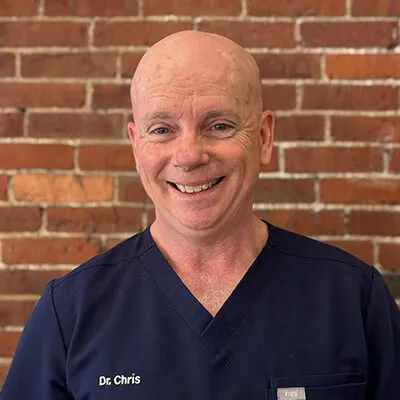
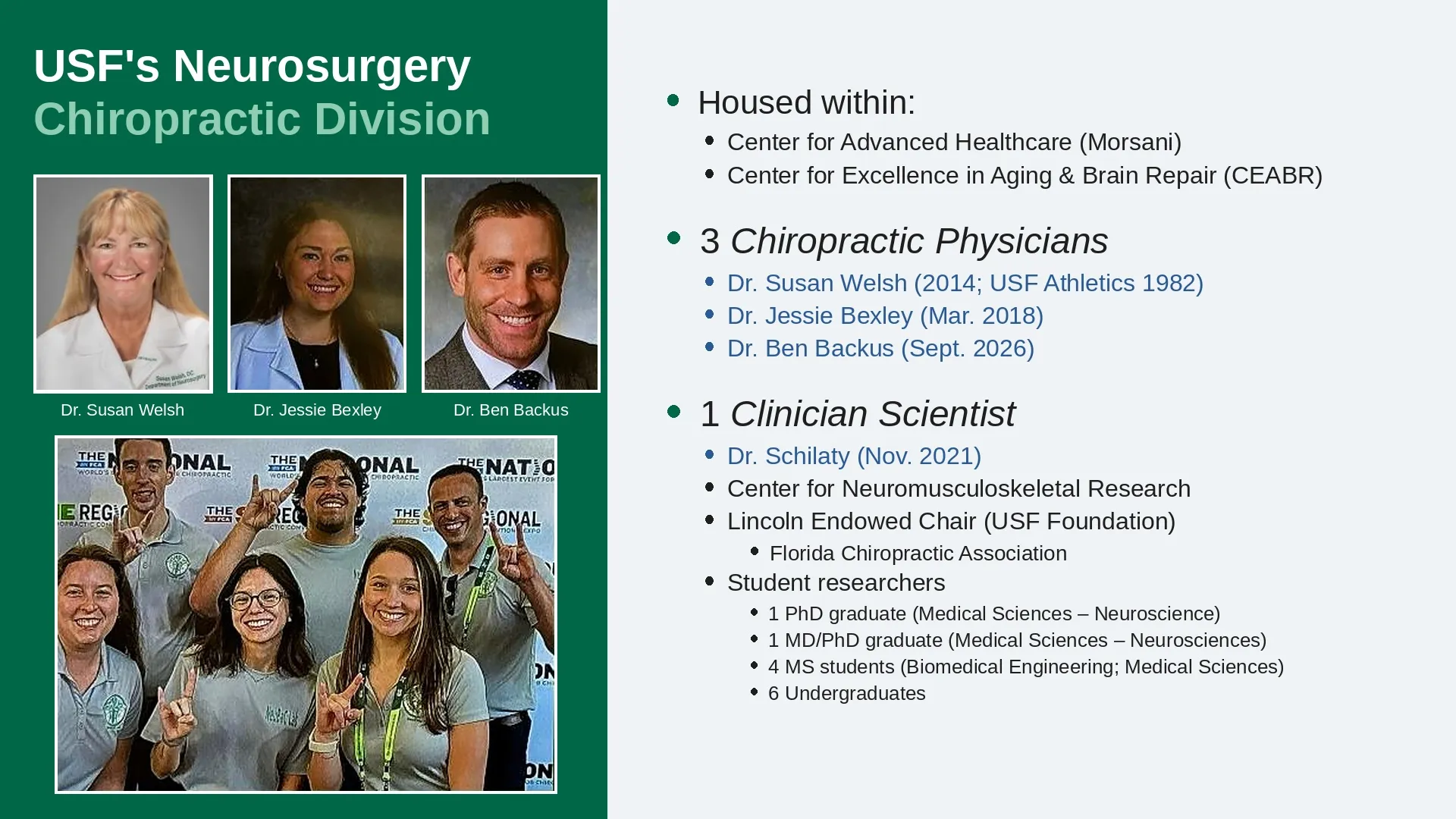
Looking for a Boston chiropractor focused on conservative, drug-free spine care? At Charles Street Family Chiropractic in Beacon Hill, Dr. Chris Quigley helps patients with back pain, neck pain, sciatica, disc problems, and recurring spinal conditions. Chiropractic care can support mobility, function, and active living while reducing reliance on medications and invasive procedures. Even major medical centers, including the University of South Florida Neurosurgery program, are integrating chiropractic care into collaborative spine treatment and research.
A 2015 MRI study found signs of alar ligament injury in 55% of older patients whose chronic neck pain had no other identifiable cause. For Boston and Massachusetts personal injury attorneys, that finding speaks to a familiar problem: the client who still hurts months after a car crash, but whose standard imaging reads as “normal” or “age-related degeneration.”
The number that should stop every elective-surgery patient in their tracks is 94%. In a large 2017 Journal of Pain Research study of 1,842 people who had undergone lumbar spine surgery, 94% reported some degree of residual low-back pain. That does not mean 94% had severe pain, nor does it mean 94% of the operations were surgical failures. But for an invasive procedure that many patients understandably hope will eliminate their back pain, the persistence of any low-back pain in such a large proportion of respondents is difficult to dismiss. The same study found that 20.6% met the researchers’ criteria for failed back surgery syndrome —roughly one out of every five patients. Residual numbness was reported by 69.8%, cold sensations by 43.3%, and paresthesia such as tingling or abnormal sensations by 35.3%.