Sciatica is the sometimes sharp, stabbing, or dull pain and maybe numbness that goes down your leg. It can be debilitating. There are people out there who say “once you get it, you always have it,” According to Spine-health.com sciatica is defined as ” the symptoms of leg pain-and possibly tingling, numbness or weakness-that originate in the lower back and travel through the buttock and down the large sciatic nerve in the back of the leg.” Sciatica is a description of a symptom. It is can be caused by a number of different causes.
The three most commons causes of sciatica are found in the low back (lumbar spine) and they are herniated discs, degenerative disc disease, and spinal stenosis.
Herniated discs are caused by trauma. There is a tear in the disc and the gooey center of the disc, the nucleus, get squeezed out from the center and usually comes in contact with the sensitive nerves that travel in your spine. A common sign of a herniated disc is a pain when sitting too long or driving. Interestingly, you may have no back pain with this problem, only leg pain.
Degenerative Disc Disease and Spinal Stenosis are usually different manifestations of long term abnormal spinal movements and restrictions where the spine degenerates over time and causes disc bulges and arthritis resulting in the nerves being impinged. Leg length differential and chiropractic subluxation degeneration are very common causes of these problems.
Goal number one when correcting this problem is to find out the cause. Standing x-rays are the best tool to get to the cause of the problem. Standing x-rays show the spine in relation to gravity and when taken properly, give the doctor great information to find out the cause of the problem. Magnetic Resonance Scanning (MRI) then tells you exactly what is going on with your spinal disc.
In my office, we have five tools to help get rid of sciatica efficiently and effectively.
The first tool we use is our non-surgical spinal decompression table. This technology slowly and gently stretches the spine creating a vacuum effect on the injured disc, pulling the disc away from the nerves in the spine. We find that it has about an 85% success rate and works especially good on people who are not overweight.
Wobble exercises: These exercises create a loading and unloading cycle on the injured discs and ligaments of the spine and they really like that. Research has shown that this is one of the best ways to rehab injuries to your spine.
Cold Laser: Is a fantastic tool to lower the inflammation in the injured area and decrease pain. It works by speeding the healing time in injured tissues.
Adjustments: Most commonly the bones of the spine get locked into a position and are no longer able to do their job and support your body. When this happens a chain reaction occurs throughout the spine to compensate for this malfunction. You must restore the movement in the spine if you ever hope to get the spine to heal. No movement equals big problems.
Nutrition: Most Americans have high levels of inflammation present in their body. Inflammation is what causes pain. Reducing inflammation in your body helps decrease the pain and keeps you healthier. A win-win proposition.
A recent case in our office demonstrates the effectiveness of this comprehensive approach. JR, a 58 year old former athlete had been suffering from sciatica down his left leg for the last 9 months. The pain was made worse by walking and standing and he could not play golf. He said “I feel like I am 100 years old.” We did our exam and diagnostic work up and determined that he was a great candidate for our program. His MRI and x-rays showed extensive degeneration in his spine and discs. He lost 81% of the healthy curve alignment in his low back. This makes the spine much weaker. After 6 weeks he started noticing big improvements in his mobility and decreased pain. After 9 weeks he stated “I forgot what sciatica felt like.” To his credit in addition to being very compliant with his recommendations, he cleaned up his nutrition and lost 12 lbs. and now is well on his way to getting back to being himself and feeling 40 vs 100 years old.
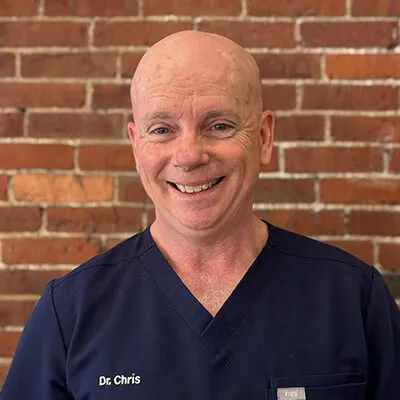
“I was majoring in chemistry at Villanova University when my path turned to chiropractic. I was going on interviews to be a pharmaceutical sales representative, and they always asked me what I wanted to be doing in five years. My answer was always the same: “I want to be helping people, enjoying my work, while making a difference.”
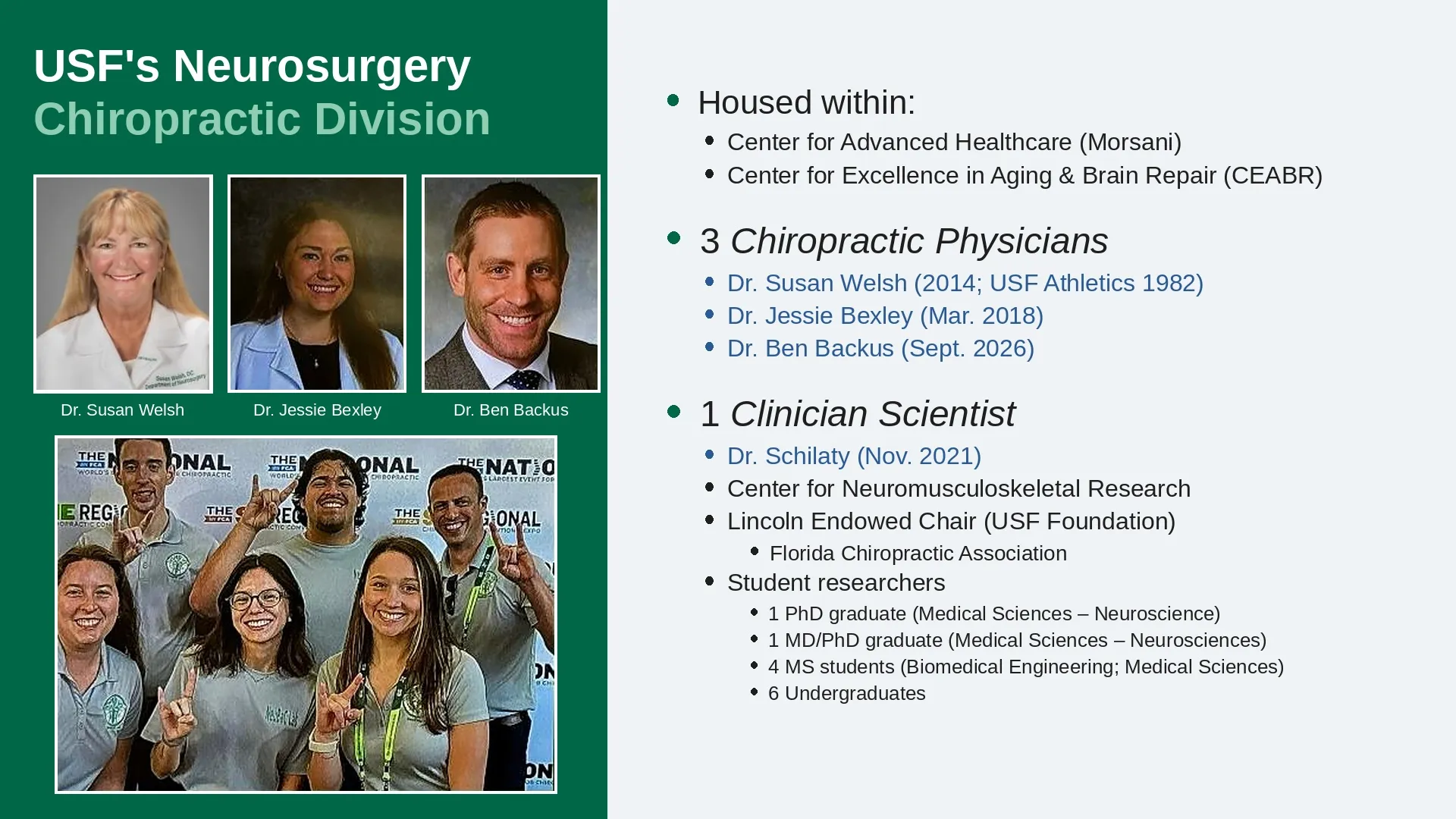
Looking for a Boston chiropractor focused on conservative, drug-free spine care? At Charles Street Family Chiropractic in Beacon Hill, Dr. Chris Quigley helps patients with back pain, neck pain, sciatica, disc problems, and recurring spinal conditions. Chiropractic care can support mobility, function, and active living while reducing reliance on medications and invasive procedures. Even major medical centers, including the University of South Florida Neurosurgery program, are integrating chiropractic care into collaborative spine treatment and research.
A 2015 MRI study found signs of alar ligament injury in 55% of older patients whose chronic neck pain had no other identifiable cause. For Boston and Massachusetts personal injury attorneys, that finding speaks to a familiar problem: the client who still hurts months after a car crash, but whose standard imaging reads as “normal” or “age-related degeneration.”
The number that should stop every elective-surgery patient in their tracks is 94%. In a large 2017 Journal of Pain Research study of 1,842 people who had undergone lumbar spine surgery, 94% reported some degree of residual low-back pain. That does not mean 94% had severe pain, nor does it mean 94% of the operations were surgical failures. But for an invasive procedure that many patients understandably hope will eliminate their back pain, the persistence of any low-back pain in such a large proportion of respondents is difficult to dismiss. The same study found that 20.6% met the researchers’ criteria for failed back surgery syndrome —roughly one out of every five patients. Residual numbness was reported by 69.8%, cold sensations by 43.3%, and paresthesia such as tingling or abnormal sensations by 35.3%.