If you crack your knuckles, your friends or family members may warn you that this bad habit could lead to arthritis. Are they right? Does knuckle cracking cause arthritis? At Charles Street Family Chiropractic in Boston, MA, we’re committed to separating fact from fiction so you can seek effective treatments and lifestyles that promote good joint health.
The Science Behind Knuckle Cracking
While often vilified because of its signature popping sound, knuckle cracking is a fairly innocuous activity. It occurs when you stretch the joint until a low-pressure cavity form within the synovial fluid. The resulting bubble leads to a rapid release of gas, resulting in the infamous “cracking” sound.
However, a great deal of misinformation surrounds knuckle cracking. For instance:
Myth 1 – Knuckle cracking leads to arthritis: Numerous studies, including one published in the Journal of the American Board of Family Medicine, have found no significant correlation between knuckle cracking and the development of arthritis.
Myth 2 – It weakens your hand grip: Contrary to popular belief, habitual knuckle cracking does not lead to a weakened grip or reduced hand strength.
Myth 3 – It causes swelling or enlarges the knuckles: While occasional swelling can occur if you apply excessive force, habitual cracking doesn’t cause chronic hand swelling or knuckle enlargement.
Myth 4 – The cracking sound is due to bone rubbing against bone: In reality, the sound is produced by the rapid formation and bursting of gas bubbles within the synovial fluid.
Myth 5 – Once you start cracking, you can’t stop: Knuckle cracking is generally a habitual behavior, not a physical requirement. If you decide to stop, there’s no physiological reason why you can’t.
Myth 6 – All joint popping is created equal: Joints can make various noises when ligaments snap over joints, tendons slide across bony prominences, or arthritic joints squeak. Differentiating between these sounds is crucial, as some might indicate underlying medical conditions that require attention.
Understanding Arthritis
Arthritis is an umbrella term covering over 100 different types, including osteoarthritis, caused by wear and tear, and rheumatoid arthritis, an autoimmune disease. All arthritis conditions are characterized by joint inflammation, pain, and stiffness.
The causes and risk factors for arthritis are varied and include:
Aging
Genetic predisposition
Previous joint injuries
Obesity
Smoking
Poor Diet
Deficiency in vitamins and minerals such as magnesium, omega 3’s, and vitamin D.
Potential Benefits of Knuckle Cracking
While often frowned upon, knuckle cracking may actually be beneficial in some ways. One notable advantage is the apparent increase in joint mobility, with the relief you feel after cracking your knuckles attributed to loosened joint adhesions.
Knuckle cracking can also be a behavioral or psychological coping mechanism, providing comfort during stressful situations. In addition, the act can stimulate the nervous system, inducing a sense of exhilaration similar to the sensation experienced when stretching in the morning or after a period of inactivity. Knuckle cracking even has a social bonding element, with some finding camaraderie in the shared experience.
While these potential benefits provide a refreshing perspective on knuckle cracking, it’s important to approach the habit with moderation and mindfulness. If the practice becomes painful or compulsive, it’s prudent to consult a healthcare professional.
Maintaining Joint Health and Preventing Arthritis
Joint health is integral to your daily functioning. You can preserve and optimize joint health with a few simple habits:
Exercise regularly: This keeps joints flexible and strengthens the muscles around them.
Maintain a healthy weight: Extra pounds place undue stress on your hips, knees, and ankles.
Eat a balanced diet: Foods rich in omega-3 fatty acids and antioxidants reduce inflammation and lubricate the joints.
Schedule regular check-ups: Visit a healthcare professional, such as Charles Street Family Chiropractic, to monitor your joint health, diagnose issues early, and receive proper treatment.
Chiropractic Care for Arthritis Management
Alongside conventional treatments, including pain medication, chiropractic care offers a holistic approach to arthritis management. Techniques such as spinal adjustments, massage, and physical therapy can improve joint mobility and reduce discomfort. At Charles Street Family Chiropractic, we offer tailored treatments designed to enhance the overall well-being and quality of life for arthritis patients.
Prioritize Your Joint Health
The subject of knuckle cracking and arthritis is brimming with myth and misconception, but the evidence confirms that the two are largely unrelated. Maintaining joint health and preventing arthritis calls for a comprehensive, multifaceted approach, and chiropractic care can be a part of this strategy.
The team at Charles Street Family Chiropractic provides expert advice, effective treatments, and unparalleled support for joint health in Boston, MA. If you’re concerned about persistently achy joints or are seeking chiropractic care for another reason, please call us at 617-720-1992 or fill out our online form to schedule an appointment. We would love to help you on your journey toward improved health and well-being.
“I was majoring in chemistry at Villanova University when my path turned to chiropractic. I was going on interviews to be a pharmaceutical sales representative, and they always asked me what I wanted to be doing in five years. My answer was always the same: “I want to be helping people, enjoying my work, while making a difference.”
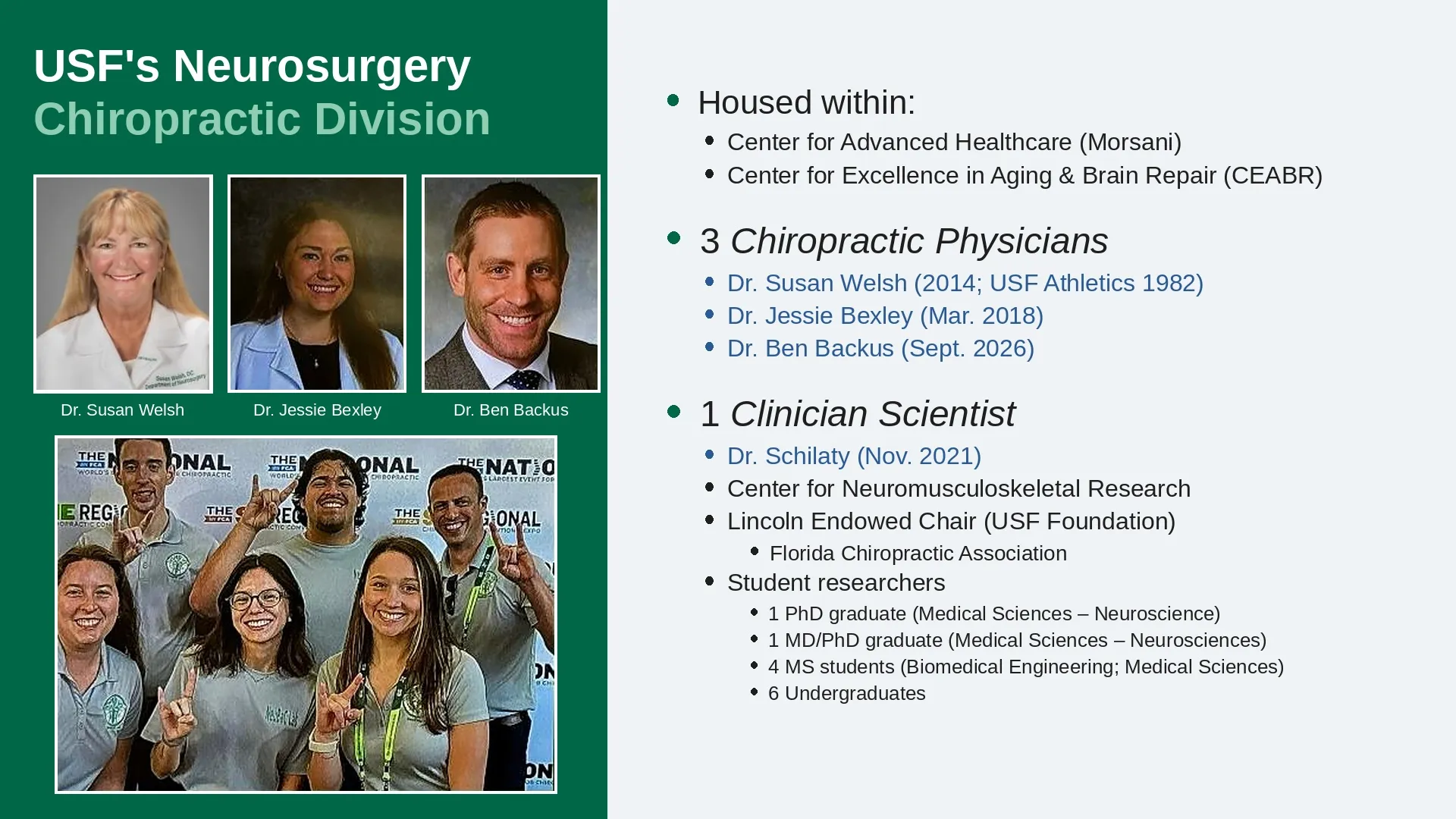
Looking for a Boston chiropractor focused on conservative, drug-free spine care? At Charles Street Family Chiropractic in Beacon Hill, Dr. Chris Quigley helps patients with back pain, neck pain, sciatica, disc problems, and recurring spinal conditions. Chiropractic care can support mobility, function, and active living while reducing reliance on medications and invasive procedures. Even major medical centers, including the University of South Florida Neurosurgery program, are integrating chiropractic care into collaborative spine treatment and research.
A 2015 MRI study found signs of alar ligament injury in 55% of older patients whose chronic neck pain had no other identifiable cause. For Boston and Massachusetts personal injury attorneys, that finding speaks to a familiar problem: the client who still hurts months after a car crash, but whose standard imaging reads as “normal” or “age-related degeneration.”
The number that should stop every elective-surgery patient in their tracks is 94%. In a large 2017 Journal of Pain Research study of 1,842 people who had undergone lumbar spine surgery, 94% reported some degree of residual low-back pain. That does not mean 94% had severe pain, nor does it mean 94% of the operations were surgical failures. But for an invasive procedure that many patients understandably hope will eliminate their back pain, the persistence of any low-back pain in such a large proportion of respondents is difficult to dismiss. The same study found that 20.6% met the researchers’ criteria for failed back surgery syndrome —roughly one out of every five patients. Residual numbness was reported by 69.8%, cold sensations by 43.3%, and paresthesia such as tingling or abnormal sensations by 35.3%.