Do you believe you can have your pizza and eat it too? The crust, that is.
Delicious, healthy cauliflower pizza!
It has been estimated that 94% of the American population eats pizza (Parade Magazine, 2012). According to Pizza Magazine, US Pizza sales topped over 38 Billion dollars and that only accounts for 47% of the world pizza market. Ask someone their top 10 favorite foods and pizza is bound to make the list.
Now ask those following a low carbohydrate diet what they miss eating? It’s not just about avoiding gluten as there are many gluten-free options it is about significantly reducing the carbohydrates or even the avoidance of grains. I am not sure who first thought of this idea but it is simply brilliant. It is also a great idea for getting more veggies into the diet of a picky eater.
It is pretty simple to make but does involve a bit of time so this is not a last minute lets have pizza tonight idea. I suggest making 2 at a time as leftovers heat up nicely in a toaster oven. There are a number of versions of the basic recipe available but I have found a few helpful tips and tools. One is to line your baking sheet with parchment paper so it doesn’t stick and the second is to invest in a nut milk bag for squeezing the water out of the cooked cauliflower. If you don’t have either, a greased pan and kitchen towel work fine too. There are also many ways to “rice” the cauliflower-you can grate using a basic hand grater (my preference and less machines needed) or you can use a Vitamix or food processor to get the “rice” like consistency. Check out an earlier post on cauliflower rice.
You can cook the cauliflower in the microwave (easiest) but you can also steam it on the stove. As far as seasoning the crust, you can keep it simple with just cauliflower and an egg or add almost any type of cheese and seasonings. I have found a nice herbed goat cheese at Trader Joe’s that adds a nice flavor. The rest of the cheese I like to put on top! Add any type of cheese you wish but my favorite is Gouda. It has a nice flavor and is also a good source of vitamin K2 which helps your body use the calcium from the cheese.
Healthy cauliflower pizza crust with just three ingredients!
For the crust:
1 head fresh cauliflower, trimmed of outer leaves
1 egg
2-3 ounces goat cheese (optional)
Directions:
Preheat your oven to 400 degrees.
Grate or process the cauliflower into a rice-like consistency. If using a hand grater, hold on to the stems of the florets and grate it right into a large glass or ceramic bowl. Discard the hard stems as you go. If using a food processor, trim off tougher stems and use just the florets. Add a small amount of water. Cover and microwave 6 minutes.
Allow cooked cauliflower to cool or if you are in a rush you can add cold water and/or ice cubes to chill it down so it can be handled.
Strain the cauliflower if you added water or ice and then place on a clean dry towel or if you are using a nut milk bag (preferred) you can put the cauliflower/cold water mix directly into the bag. Gather up edges of the towel or bag and squeeze. Squeeze as much water as possible out of the cauliflower.
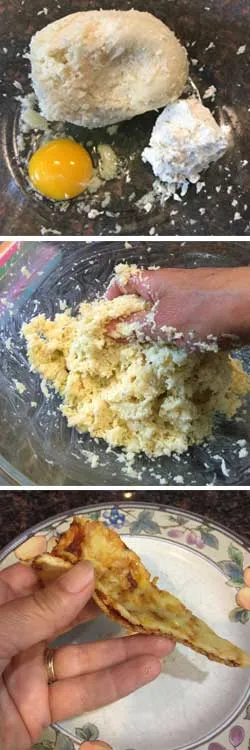
Add the egg and cheese (if desired) and mix well with your hands.
Spread out evenly onto a parchment lined baking sheet, about 1/4-1/3 inch thick.
Bake at 400 degrees about 30 minutes.
Take out of oven and top with your favorite sauce and cheese combo. Pop back into the hot oven until cheese is bubbly, about 10 minutes.
I use about half cup organic jar tomato sauce and 8 oz grated Gouda and have also made with pesto and parmesan.
Enjoy! Let me know if you come up with other uses for the crust.
“I was majoring in chemistry at Villanova University when my path turned to chiropractic. I was going on interviews to be a pharmaceutical sales representative, and they always asked me what I wanted to be doing in five years. My answer was always the same: “I want to be helping people, enjoying my work, while making a difference.”
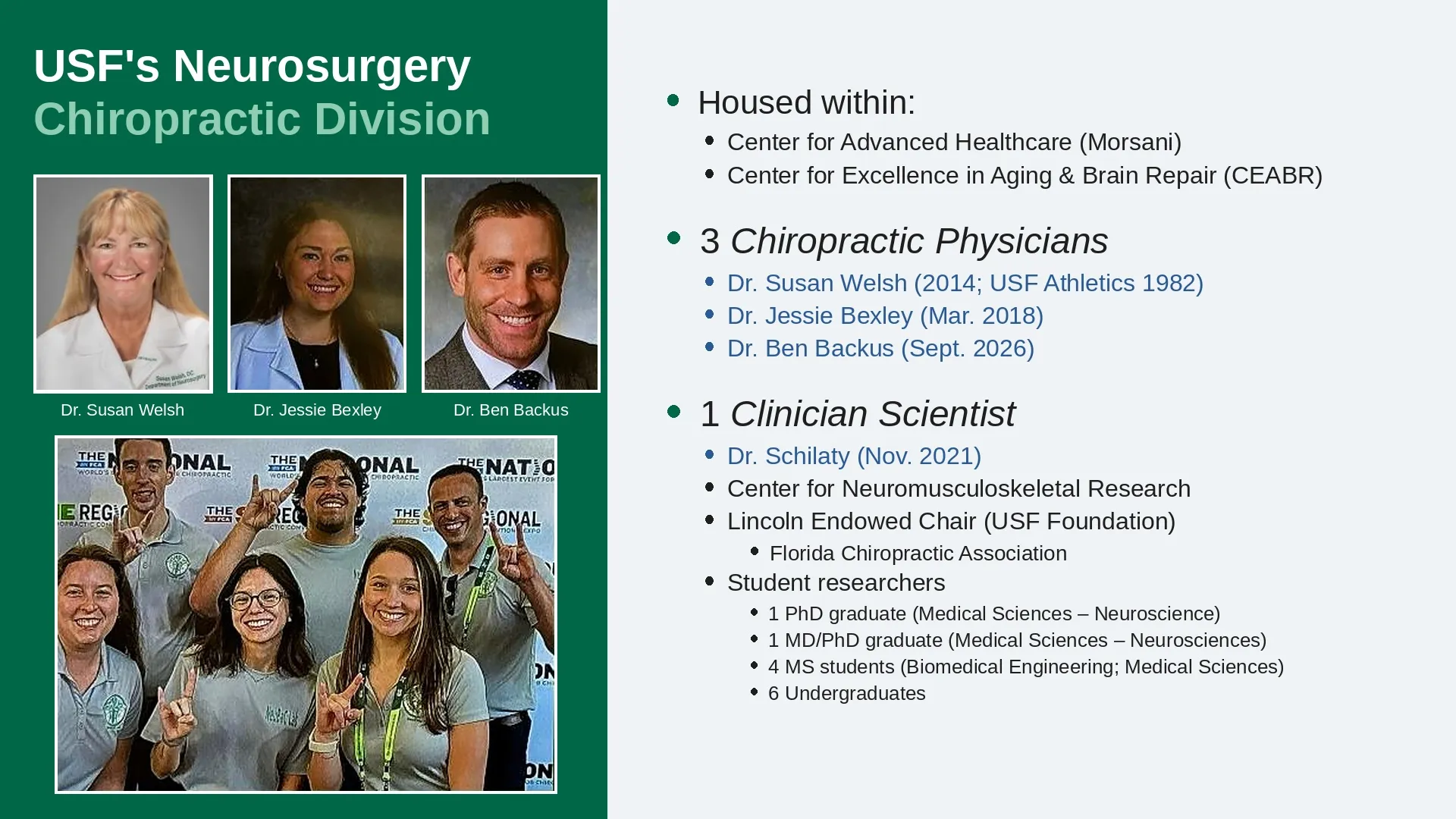
Looking for a Boston chiropractor focused on conservative, drug-free spine care? At Charles Street Family Chiropractic in Beacon Hill, Dr. Chris Quigley helps patients with back pain, neck pain, sciatica, disc problems, and recurring spinal conditions. Chiropractic care can support mobility, function, and active living while reducing reliance on medications and invasive procedures. Even major medical centers, including the University of South Florida Neurosurgery program, are integrating chiropractic care into collaborative spine treatment and research.
A 2015 MRI study found signs of alar ligament injury in 55% of older patients whose chronic neck pain had no other identifiable cause. For Boston and Massachusetts personal injury attorneys, that finding speaks to a familiar problem: the client who still hurts months after a car crash, but whose standard imaging reads as “normal” or “age-related degeneration.”
The number that should stop every elective-surgery patient in their tracks is 94%. In a large 2017 Journal of Pain Research study of 1,842 people who had undergone lumbar spine surgery, 94% reported some degree of residual low-back pain. That does not mean 94% had severe pain, nor does it mean 94% of the operations were surgical failures. But for an invasive procedure that many patients understandably hope will eliminate their back pain, the persistence of any low-back pain in such a large proportion of respondents is difficult to dismiss. The same study found that 20.6% met the researchers’ criteria for failed back surgery syndrome —roughly one out of every five patients. Residual numbness was reported by 69.8%, cold sensations by 43.3%, and paresthesia such as tingling or abnormal sensations by 35.3%.