One of the most challenging issues for Boston personal injury attorneys is the whiplash case that doesn’t follow the expected recovery timeline.
The client is involved in a rear-end collision. Initial symptoms may appear mild. Yet months later, the patient continues to experience neck pain, headaches, and functional limitations that interfere with work and daily life.
The question inevitably arises:
Why do some patients recover quickly, while others develop chronic pain?
A study published in the April 2010 edition of the Journal Spine by Pleguezuelos Cobo et al. provides important insight into the factors that influence the persistence of neck pain after whiplash injury—and these findings have direct implications for litigation. This prospective study involved 557 patients who suffered whiplash injury and vehicle collision and who presented to the department of Physical Medicine and Rehabilitation of Mataro Hospital in Spain.
A prospective study is a research design that follows a group of people forward in time. They track the group as future events unfold to see how risk factors affect the final results
Whiplash Is Not a Uniform Injury
One of the key takeaways from the study is that whiplash injuries are highly variable.
Not all patients respond the same way, even when the mechanism of injury appears similar. Two individuals involved in comparable rear-end collisions may have very different outcomes.
This variability is not random—it is influenced by identifiable factors.
Factors That Influence a Poor 6 Month Recovery
The study identified several factors associated with the development of chronic symptoms following whiplash.
1. Initial Pain Intensity
Patients who report higher levels of pain early after the injury are more likely to develop persistent symptoms. Levels higher than 6 out of 10 on the Visual Analog Scale.
· 0 to 3 = mild pain
· 3 to 5.9 = moderate pain
· 6 to 10 severe pain
For attorneys, this highlights the importance of:
· Early documentation
· Consistent symptom reporting
· Accurate pain assessment
2. Reduced Cervical Mobility
Limited range of motion in the cervical spine was associated with ongoing pain. Unfortunately, most providers only use guestimates to gauge range of motion. Defense IME doctors are especially famous for the eyeball method of range-of-motion testing. You can tell right away that these unethical providers are using the eyeball method because their measurements all end in 0 or 5.
Providers who accurately measure range of motion using a two-piece computerized range-of-motion test are your go-to providers.
3. The Presence of Dizziness
Those reporting dizziness and unsteadiness have greater balance deficits than those who do not report these symptoms.
4. Functional Disability
Patients with greater initial disability were more likely to experience long-term symptoms. Patients with higher functional impairment, greater than 50 on the Neck Pain Questionnaire. Do you ever see this rating on an emergency department intake?
5. Age and Sex
Being over 41 and being female are both bad prognostic factors for whiplash injury. I would also add that pre-existing arthritic changes present before the accident are important considerations. These arthritic changes make the spine weaker and more vulnerable to injury with less trauma.
The Importance of Long-Term Perspective
One of the most important implications of this research is that whiplash injuries must be evaluated over time—not just at the initial presentation.
In Boston-area litigation, defense arguments often rely heavily on early records. However, the study supports the understanding that:
👉 Chronic symptoms are influenced by early injury characteristics and may evolve over time.
This reinforces the importance of longitudinal documentation and follow-up care.
The findings of this study directly counter several common defense arguments:
· “The injury was minor”
· “The patient should have recovered quickly”
· “Ongoing symptoms are unrelated”
Instead, the research demonstrates that persistent pain often results from identifiable risk factors present early in the injury process.
Strengthening a Boston Personal Injury Case
For attorneys representing clients in Boston, Cambridge, Newton, Brookline, Quincy, and Somerville, this study provides a framework for strengthening cases involving chronic whiplash symptoms.
Key considerations include:
· Documenting initial pain levels
· Measuring cervical range of motion properly
· Tracking functional limitations over time
· Demonstrating consistency of symptoms
· Linking early findings to long-term outcomes
When properly documented, these factors can help establish both causation and the legitimacy of chronic pain claims.
The Bottom Line
Whiplash injuries are not always short-lived conditions. For some patients, they develop into chronic, life-altering problems.
The study by Pleguezuelos et al. makes it clear that the persistence of neck pain is influenced by identifiable factors present early in the injury process.
Chronic pain after a whiplash injury is not unpredictable—it is often explainable, measurable, and supported by medical research.
Understanding these factors enables stronger case development, more effective rebuttal of the defense’s arguments, and a clearer presentation of long-term damages. Call Dr. Chris today at 617-720-1992 to get help to securing your clients’ rights. If you are a victim of a car crash, tap here to get an appointment for an evaluation. For more information on what to do after a car crash, go to our YouTube page for informative videos.
“I was majoring in chemistry at Villanova University when my path turned to chiropractic. I was going on interviews to be a pharmaceutical sales representative, and they always asked me what I wanted to be doing in five years. My answer was always the same: “I want to be helping people, enjoying my work, while making a difference.”
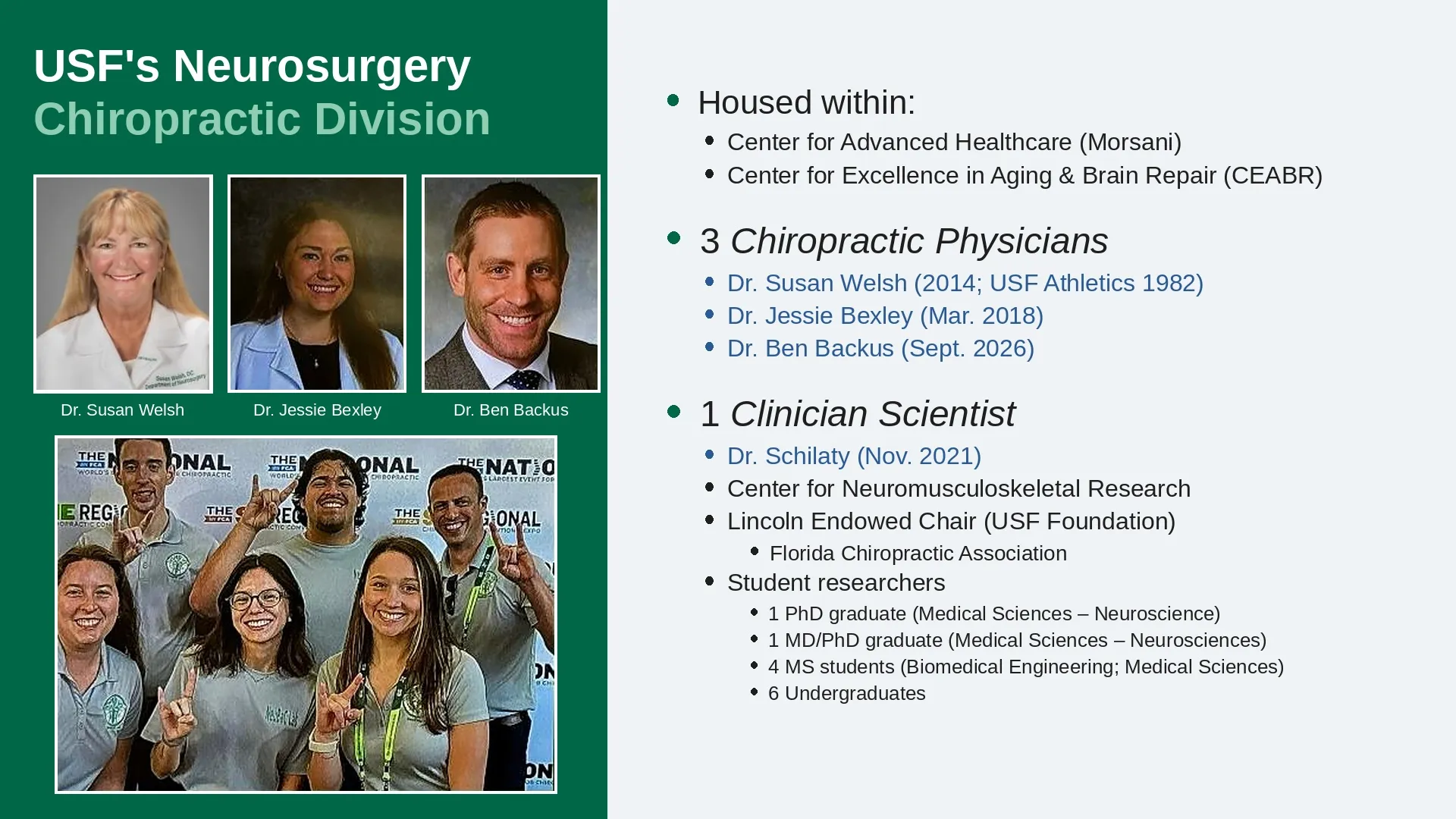
Looking for a Boston chiropractor focused on conservative, drug-free spine care? At Charles Street Family Chiropractic in Beacon Hill, Dr. Chris Quigley helps patients with back pain, neck pain, sciatica, disc problems, and recurring spinal conditions. Chiropractic care can support mobility, function, and active living while reducing reliance on medications and invasive procedures. Even major medical centers, including the University of South Florida Neurosurgery program, are integrating chiropractic care into collaborative spine treatment and research.
A 2015 MRI study found signs of alar ligament injury in 55% of older patients whose chronic neck pain had no other identifiable cause. For Boston and Massachusetts personal injury attorneys, that finding speaks to a familiar problem: the client who still hurts months after a car crash, but whose standard imaging reads as “normal” or “age-related degeneration.”
The number that should stop every elective-surgery patient in their tracks is 94%. In a large 2017 Journal of Pain Research study of 1,842 people who had undergone lumbar spine surgery, 94% reported some degree of residual low-back pain. That does not mean 94% had severe pain, nor does it mean 94% of the operations were surgical failures. But for an invasive procedure that many patients understandably hope will eliminate their back pain, the persistence of any low-back pain in such a large proportion of respondents is difficult to dismiss. The same study found that 20.6% met the researchers’ criteria for failed back surgery syndrome —roughly one out of every five patients. Residual numbness was reported by 69.8%, cold sensations by 43.3%, and paresthesia such as tingling or abnormal sensations by 35.3%.