The human spine is a marvel of engineering, providing both support and flexibility. Central to its function are the intervertebral discs—cushion-like structures situated between the vertebrae. These discs absorb shock and facilitate movement, but their health hinges on a delicate balance of nutrient supply and waste removal. A comprehensive review by Grunhagen et al. (2011) delves into the intricacies of disc nutrition, highlighting factors that influence nutrient concentrations and their implications for disc health.
The Avascular Nature of Intervertebral Discs
Unlike many tissues in the body, intervertebral discs are largely avascular, meaning they lack a direct blood supply. This characteristic poses a unique challenge: how do disc cells receive essential nutrients and eliminate waste? The answer lies in diffusion. Nutrients like glucose and oxygen diffuse from capillaries located at the disc margins, traversing the extracellular matrix to reach the inner cells. Similarly, metabolic waste products diffuse outward to be cleared by the circulatory system. PubMed
Factors Influencing Nutrient Transport
Several elements can impact the efficiency of nutrient diffusion within intervertebral discs:
Endplate Permeability: The vertebral endplates, situated between the disc and adjacent vertebral bodies, play a pivotal role in nutrient transport. Their permeability determines how easily nutrients can pass through to the disc. Calcification or sclerosis of these endplates can hinder diffusion, compromising disc cell viability. eScholarship
Disc Degeneration: As discs age or undergo degeneration, structural changes occur. The extracellular matrix may become denser or disorganized, impeding nutrient movement. Additionally, cell death within the disc can further disrupt nutrient pathways. ResearchGate+7eScholarship+7asianspinejournal.org+7
Mechanical Loading: Regular movement and loading of the spine can enhance nutrient transport through a mechanism known as “mechanical pumping.” Conversely, prolonged immobility or abnormal loading patterns can reduce this beneficial effect. ResearchGate
Lifestyle Factors: Smoking, for instance, has been shown to reduce blood flow and oxygen availability, negatively impacting disc nutrition. Similarly, conditions like atherosclerosis can diminish the vascular supply to the spine, further compromising nutrient delivery. eScholarship
Implications for Disc Health
Adequate nutrition is paramount for maintaining disc health. When nutrient supply is compromised, disc cells may undergo apoptosis (programmed cell death), leading to decreased synthesis of essential matrix components. This deterioration can result in disc degeneration, characterized by reduced disc height, loss of hydration, and diminished mechanical function. Clinically, this manifests as back pain, reduced mobility, and increased susceptibility to disc herniation.Facebook+3TDX+3eScholarship+3PubMed
Strategies to Enhance Disc Nutrition
Understanding the factors influencing disc nutrition opens avenues for intervention:
Physical Activity: Engaging in regular, moderate exercise promotes mechanical loading, enhancing nutrient diffusion through the discs. Our wobble chair is perhaps the best thing you can do for your spinal discs’ long-term health.
Smoking Cessation: Quitting smoking can improve vascular health, ensuring better nutrient delivery to spinal structures.
Nutritional Support: Ensuring a diet rich in essential nutrients supports overall vascular and disc health.
Chiropractic Interventions: Restoring disc nutrition is one of the benefits of getting your spine moving again through chiropractic adjustments and our wobble chair exercises.
Conclusion
The health of intervertebral discs is intricately linked to their nutritional status. Given their avascular nature, maintaining efficient nutrient diffusion is crucial. By understanding and addressing the factors that influence disc nutrition, we can take proactive steps to preserve spinal health and prevent degenerative conditions.
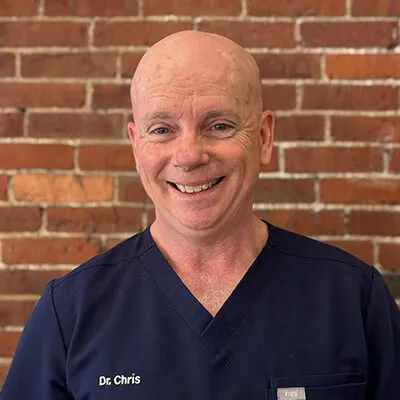
“I was majoring in chemistry at Villanova University when my path turned to chiropractic. I was going on interviews to be a pharmaceutical sales representative, and they always asked me what I wanted to be doing in five years. My answer was always the same: “I want to be helping people, enjoying my work, while making a difference.”
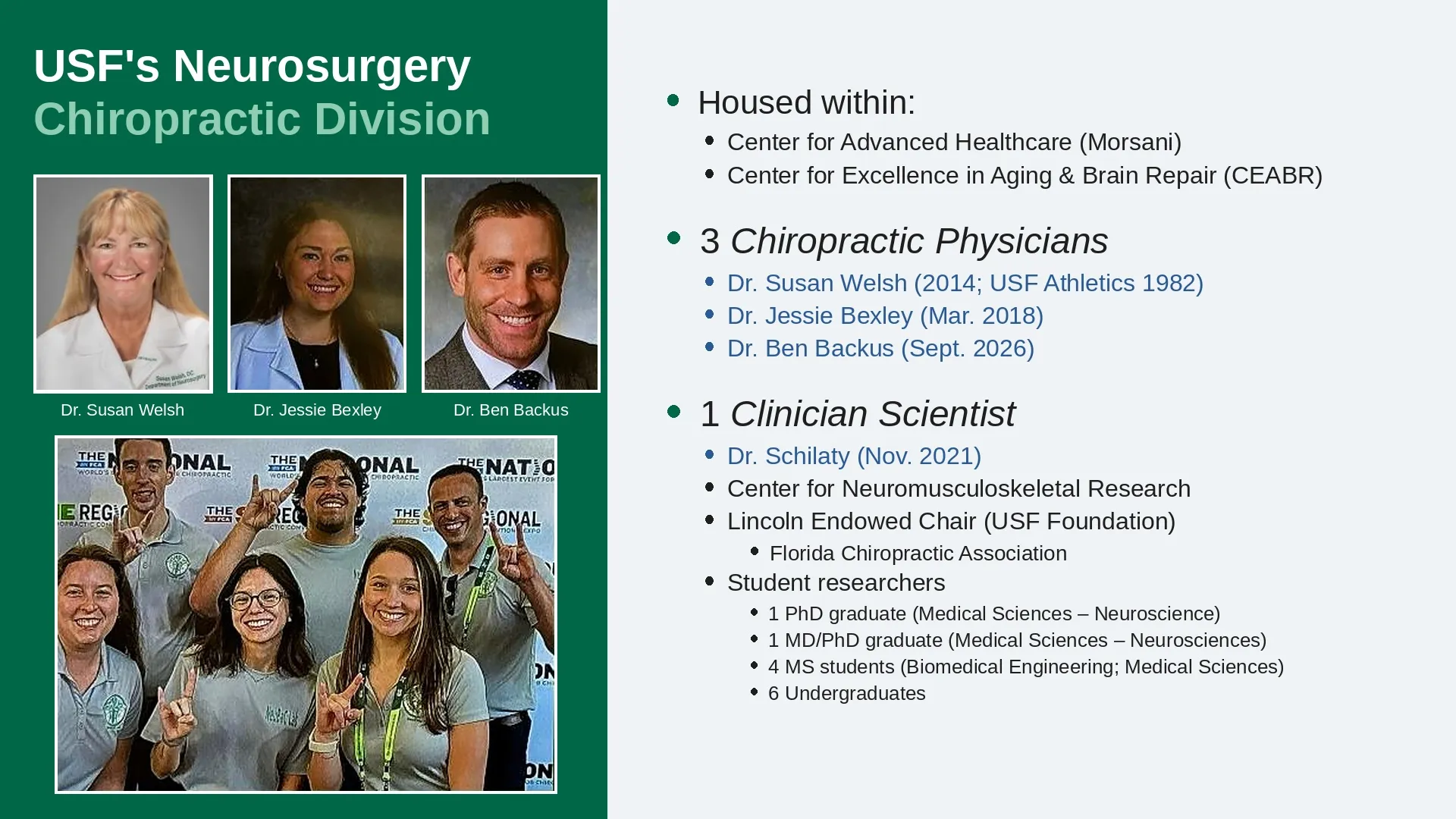
Looking for a Boston chiropractor focused on conservative, drug-free spine care? At Charles Street Family Chiropractic in Beacon Hill, Dr. Chris Quigley helps patients with back pain, neck pain, sciatica, disc problems, and recurring spinal conditions. Chiropractic care can support mobility, function, and active living while reducing reliance on medications and invasive procedures. Even major medical centers, including the University of South Florida Neurosurgery program, are integrating chiropractic care into collaborative spine treatment and research.
A 2015 MRI study found signs of alar ligament injury in 55% of older patients whose chronic neck pain had no other identifiable cause. For Boston and Massachusetts personal injury attorneys, that finding speaks to a familiar problem: the client who still hurts months after a car crash, but whose standard imaging reads as “normal” or “age-related degeneration.”
The number that should stop every elective-surgery patient in their tracks is 94%. In a large 2017 Journal of Pain Research study of 1,842 people who had undergone lumbar spine surgery, 94% reported some degree of residual low-back pain. That does not mean 94% had severe pain, nor does it mean 94% of the operations were surgical failures. But for an invasive procedure that many patients understandably hope will eliminate their back pain, the persistence of any low-back pain in such a large proportion of respondents is difficult to dismiss. The same study found that 20.6% met the researchers’ criteria for failed back surgery syndrome —roughly one out of every five patients. Residual numbness was reported by 69.8%, cold sensations by 43.3%, and paresthesia such as tingling or abnormal sensations by 35.3%.