One of the most misunderstood issues in personal injury litigation is not the injury itself—but what happens months and years after the accident.
For Boston personal injury attorneys, this scenario is familiar: a client is involved in a rear-end collision, reports relatively mild symptoms initially, and then develops persistent neck pain, headaches, and functional limitations over time. Defense arguments often focus on the early records, suggesting that the lack of immediate severe injury means there is no lasting harm.
However, research published in the Journal of Clinical Epidemiology tells a very different story.
The Study: Looking at Long-Term Outcomes
The study by Berglund et al. examined whether exposure to a rear-end collision is associated with future health complaints, not just immediate injury.
Rather than focusing on acute trauma, the researchers evaluated individuals over time to determine whether those exposed to rear-end collisions experienced ongoing or delayed symptoms compared to those who were not.
This long-term perspective is critical in litigation—because many whiplash-related injuries do not follow a simple, short recovery timeline.
Key Finding: Long-Term Health Complaints Are More Common
The study found that individuals involved in rear-end collisions were more likely to report future health complaints, including:
Chronic neck pain
Persistent headaches
Musculoskeletal discomfort
General health issues
Importantly, these were not always immediate. Many individuals developed or continued to experience symptoms well after the initial event.
For attorneys handling cases in Boston and throughout the Greater Boston Area, this finding necessitates that you account for this fact in your settlement discussions. Your clients are getting a settlement to compensate for a lifetime of potential health problems.
The Reality of Delayed and Chronic Symptoms
Whiplash injuries are not always static—they evolve.
From a medical perspective, soft tissue injuries involving ligaments, joint capsules, and muscles may:
Worsen over time as inflammation develops
Lead to altered spine biomechanics with long-term degeneration and arthritis
Create ongoing stress on surrounding structures, most importantly the nervous system.
These changes can result in chronic pain syndromes, even when the initial presentation appears mild.
The Berglund study reinforces that exposure to a rear-end collision is not simply an isolated event—it can be the starting point of a long-term health trajectory. Almost every patient in my 36 years of practice with advanced spinal arthritis was in a car crash at some point.
Why Long-Term Effects Matter in Litigation
For Boston attorneys, the long-term nature of these injuries has significant implications.
1. Delayed Symptoms Are Medically Plausible
A gap between the accident and worsening symptoms does not break causation.
2. Chronic Pain Is Consistent with the Mechanism of Injury
Acceleration-deceleration forces can initiate processes that lead to ongoing dysfunction.
3. Early Medical Records Don’t Tell the Whole Story
Initial documentation often reflects acute presentation—not long-term outcomes.
4. Future Damages Must Be Considered
Ongoing symptoms may affect:
Work capacity
Daily activities
Need for continued care
Countering Common Defense Arguments
Defense experts frequently rely on early records to argue:
“The patient wasn’t injured initially”
“Symptoms appeared too late”
“The complaints are unrelated”
The Berglund study provides strong support for countering these claims by demonstrating that long-term health complaints are associated with rear-end collision exposure.
While no single study proves causation in an individual case, this research establishes that such outcomes are expected and documented in the medical literature.
Strengthening Boston Injury Cases
For attorneys representing clients in Boston, Cambridge, Newton, Brookline, Quincy, and Somerville, it is essential to document:
The mechanism of injury
The progression of symptoms over time
Consistency of complaints
Functional impact on the client’s life
Ongoing medical care needs
Framing the case around long-term effects—not just immediate injury—can significantly strengthen both causation and damages arguments.
The Bottom Line
Rear-end collisions are often dismissed as minor events. However, the scientific evidence suggests that their effects may be anything but minor.
The research by Berglund et al. demonstrates that individuals exposed to these collisions are at increased risk for persistent and long-term health complaints, even when initial symptoms appear limited.
For Boston personal injury attorneys, the takeaway is clear:
The true impact of a rear-end collision is not always seen in the first days or weeks—it is often revealed over time.
Understanding and communicating these long-term effects is essential to fully evaluating and presenting a client’s case. Call Dr. Quigley at 617-720-1992 for help with your cases.
Literature Citation
Berglund A, Alfredsson L, Jensen I, Cassidy JD, Nygren A. The association between exposure to a rear-end collision and future health complaints.J Clin Epidemiol. 2001;54(8):851-856. doi:10.1016/s0895-4356(00)00369-3.
“I was majoring in chemistry at Villanova University when my path turned to chiropractic. I was going on interviews to be a pharmaceutical sales representative, and they always asked me what I wanted to be doing in five years. My answer was always the same: “I want to be helping people, enjoying my work, while making a difference.”
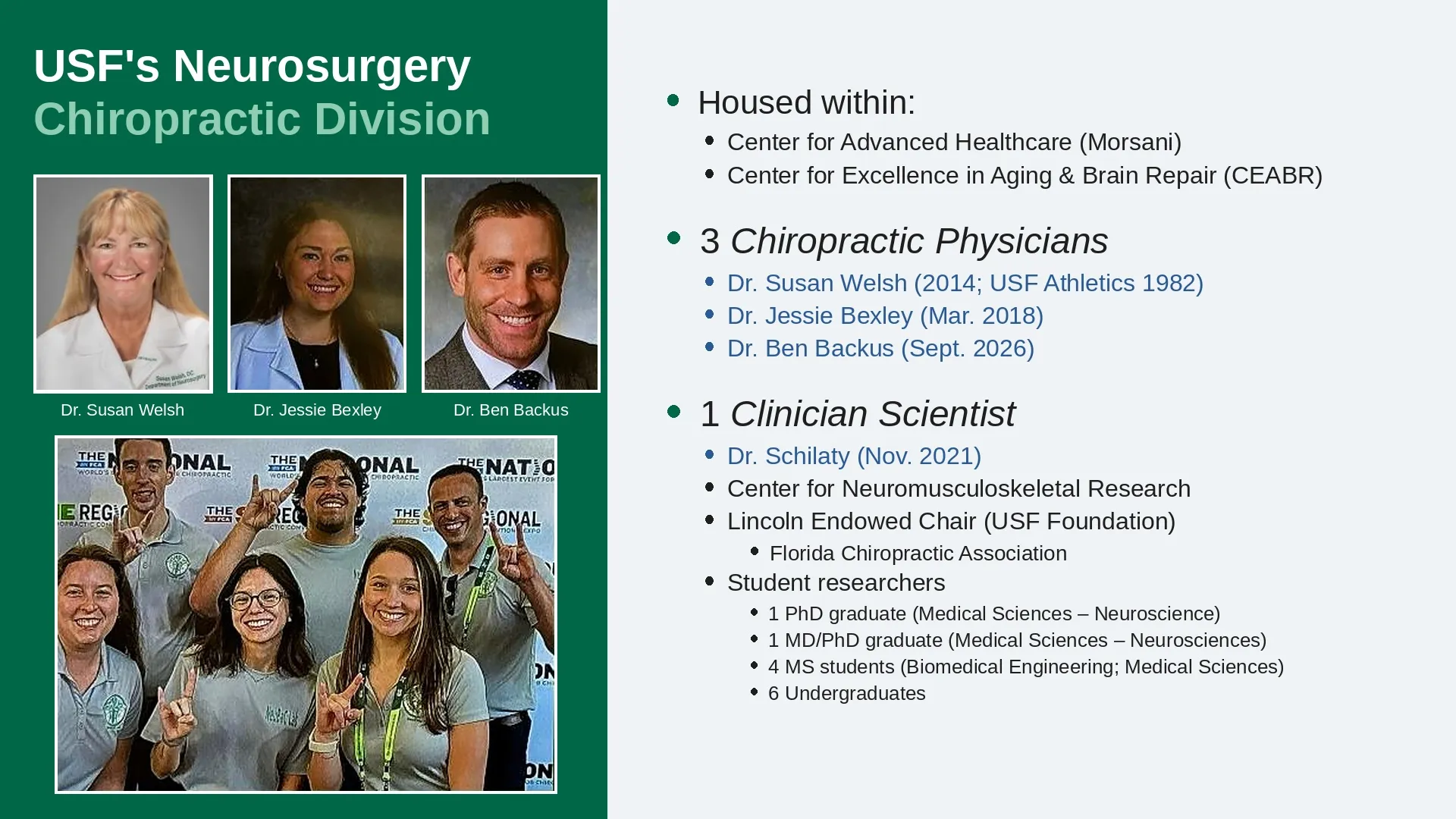
Looking for a Boston chiropractor focused on conservative, drug-free spine care? At Charles Street Family Chiropractic in Beacon Hill, Dr. Chris Quigley helps patients with back pain, neck pain, sciatica, disc problems, and recurring spinal conditions. Chiropractic care can support mobility, function, and active living while reducing reliance on medications and invasive procedures. Even major medical centers, including the University of South Florida Neurosurgery program, are integrating chiropractic care into collaborative spine treatment and research.
A 2015 MRI study found signs of alar ligament injury in 55% of older patients whose chronic neck pain had no other identifiable cause. For Boston and Massachusetts personal injury attorneys, that finding speaks to a familiar problem: the client who still hurts months after a car crash, but whose standard imaging reads as “normal” or “age-related degeneration.”
The number that should stop every elective-surgery patient in their tracks is 94%. In a large 2017 Journal of Pain Research study of 1,842 people who had undergone lumbar spine surgery, 94% reported some degree of residual low-back pain. That does not mean 94% had severe pain, nor does it mean 94% of the operations were surgical failures. But for an invasive procedure that many patients understandably hope will eliminate their back pain, the persistence of any low-back pain in such a large proportion of respondents is difficult to dismiss. The same study found that 20.6% met the researchers’ criteria for failed back surgery syndrome —roughly one out of every five patients. Residual numbness was reported by 69.8%, cold sensations by 43.3%, and paresthesia such as tingling or abnormal sensations by 35.3%.