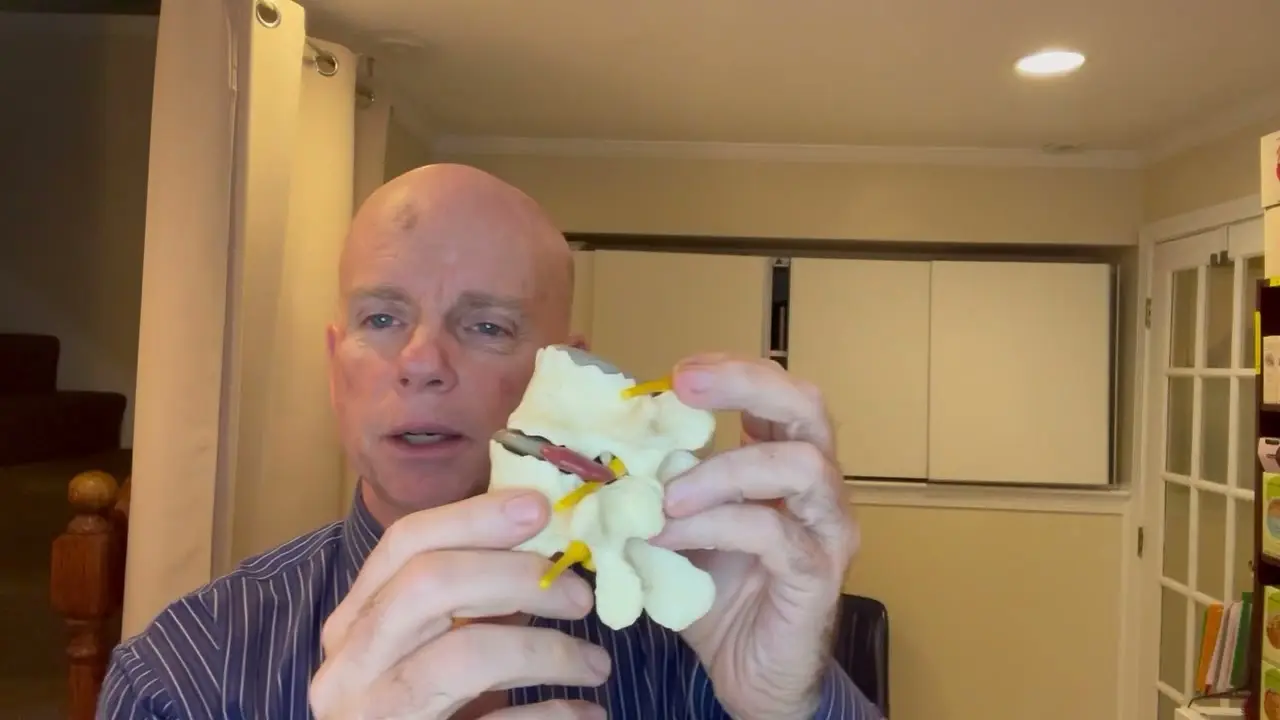
Let’s talk about your spine—yes, that stack of bony pancakes trying to hold up your head while pretending gravity isn’t actively conspiring to compress you like a soda can in a recycling plant. If you’ve ever bent over to tie your shoe and then questioned whether it was worth it, you’re not alone. Thankfully, science is catching up with our deteriorating vertebrae.
Enter the recent study by Connolly et al. (2025), which is shaking things up in the world of non-surgical spinal decompression like a chiropractor at a limbo contest.
Published in the Journal of Clinical Chiropractic, this case series looks at non-surgical spinal decompression for those gnarly lumbar intervertebral disc lesions. They followed a bunch of poor souls with back problems who didn’t want to go under the knife—and surprise! Things actually improved. Cue the sound of chiropractors high-fiving in the background.
The study involved something called “non-surgical spinal decompression,” which is essentially a very expensive machine that gently stretches your spine in a way that’s more therapeutic than the average toddler climbing your back during yoga. It’s supposed to reduce pressure on herniated discs, increase hydration to sad, shriveled discs, and ideally help people stop walking like they’ve just ridden a horse for three weeks.
And guess what? According to the study, it worked. Patients reported reduced pain, better mobility, and—most importantly—fewer “grunting noises” when standing up from a sofa. Okay, maybe that last one wasn’t officially measured, but we all know.
Imaging results even showed improvement in disc contour and height. In normal-person speak, their backs looked less like collapsed Jenga towers after the treatment.
But let’s get to the real issue: what is this machine, and does it come with snacks?
The treatment involves being strapped to a table (consensually, this isn’t an escape room) while the machine gently pulls your spine in opposite directions. Picture a medieval rack designed by someone who meditates and drinks green juice. It’s all very sci-fi—like HAL 9000 got into physical therapy school.
Critics of spinal decompression therapy often argue it’s just fancy traction wearing a lab coat. However, this study gave it some street cred, showing real clinical and imaging-based improvements. It’s like that one kid in high school who everyone made fun of, then returned from summer break with abs and a scholarship.
Of course, this is a case series, which in scientific terms means “interesting, but don’t throw out the surgeon just yet.” Still, for people who are desperate for relief, non-surgical spinal decompression may be a viable option, especially if your idea of surgery prep involves Googling “how to make a will.”
So, if you’re walking around with a lower back that crackles like bubble wrap and you’d prefer not to get scalpel-happy, consider the decompression table. Who knows? With the right machine and some help from the team at Charles Street Family Chiropractic, your spine might just learn to love gravity again. Call us today at (617) 720-1992 to see if we can help you return to where you want to be. We are the leader of spinal decompression in Boston.
Moral of the story: Don’t ignore your back, especially if it starts negotiating for a restraining order every time you lift a laundry basket.
Contact us today to learn more about spinal decompression therapy and how it can help you find relief from your symptoms. At Charles Street Family Chiropractic, Inc., our experienced team is dedicated to providing our patients with the best care possible.
“I was majoring in chemistry at Villanova University when my path turned to chiropractic. I was going on interviews to be a pharmaceutical sales representative, and they always asked me what I wanted to be doing in five years. My answer was always the same: “I want to be helping people, enjoying my work, while making a difference.”
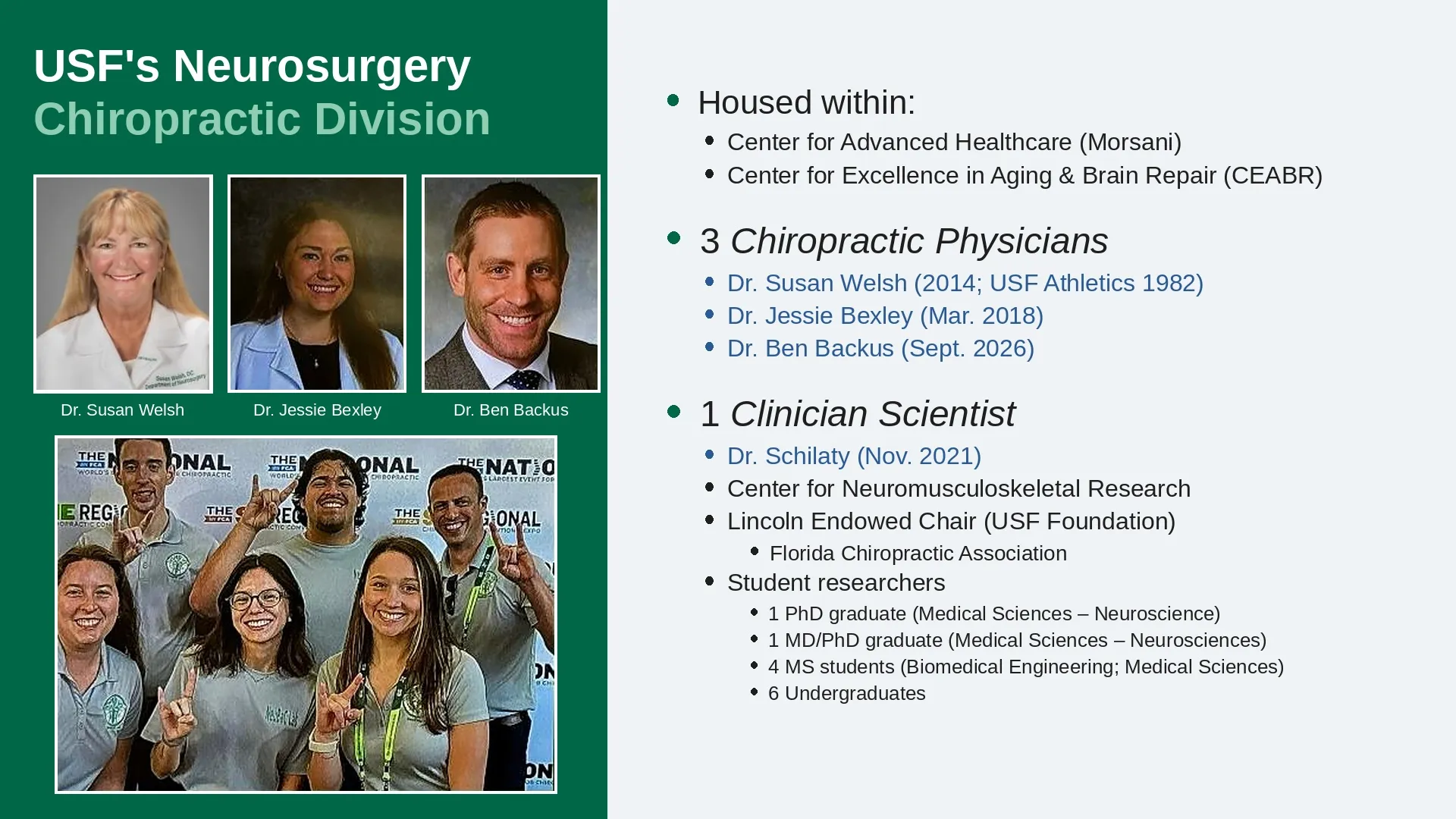
Looking for a Boston chiropractor focused on conservative, drug-free spine care? At Charles Street Family Chiropractic in Beacon Hill, Dr. Chris Quigley helps patients with back pain, neck pain, sciatica, disc problems, and recurring spinal conditions. Chiropractic care can support mobility, function, and active living while reducing reliance on medications and invasive procedures. Even major medical centers, including the University of South Florida Neurosurgery program, are integrating chiropractic care into collaborative spine treatment and research.
A 2015 MRI study found signs of alar ligament injury in 55% of older patients whose chronic neck pain had no other identifiable cause. For Boston and Massachusetts personal injury attorneys, that finding speaks to a familiar problem: the client who still hurts months after a car crash, but whose standard imaging reads as “normal” or “age-related degeneration.”
The number that should stop every elective-surgery patient in their tracks is 94%. In a large 2017 Journal of Pain Research study of 1,842 people who had undergone lumbar spine surgery, 94% reported some degree of residual low-back pain. That does not mean 94% had severe pain, nor does it mean 94% of the operations were surgical failures. But for an invasive procedure that many patients understandably hope will eliminate their back pain, the persistence of any low-back pain in such a large proportion of respondents is difficult to dismiss. The same study found that 20.6% met the researchers’ criteria for failed back surgery syndrome —roughly one out of every five patients. Residual numbness was reported by 69.8%, cold sensations by 43.3%, and paresthesia such as tingling or abnormal sensations by 35.3%.

 Let’s talk about your spine—yes, that stack of bony pancakes trying to hold up your head while pretending gravity isn’t actively conspiring to compress you like a soda can in a recycling plant. If you’ve ever bent over to tie your shoe and then questioned whether it was worth it, you’re not alone. Thankfully, science is catching up with our deteriorating vertebrae.