Good posture is essential for overall health, confidence, and well-being. As your trusted partner in natural health, we know that strength training can play a vital role in correcting poor posture and maintaining a healthy spine. If you’re looking to improve your posture and build strength at the same time, these exercises are a great place to start.
1. Plank
The plank is a foundational core-strengthening exercise that targets your abs, shoulders, and back. Begin in a push-up position, keeping your body straight from head to heels. Hold the position for 30 seconds to 1 minute, engaging your core muscles the entire time. Planking regularly helps support proper spinal alignment and builds endurance in the muscles needed for good posture.
2. Rows
Rows are one of the best strength training exercises for correcting posture, as they target the upper back and shoulders. Use dumbbells, resistance bands, or a rowing machine. Keep your back straight, squeeze your shoulder blades together, and pull the weight toward you. Rows strengthen the muscles that naturally pull your shoulders back, helping to reverse the effects of slouching.
3. Shoulder Blade Squeeze
The shoulder blade squeeze is a simple yet effective exercise you can do anywhere to strengthen your upper back. Sit or stand with your arms relaxed at your sides. Gently squeeze your shoulder blades together and hold for 5 to 10 seconds. Repeat 10-15 times. This exercise helps correct rounded shoulders and promotes an open, upright posture.
4. Chest Stretch
Tight chest muscles can pull your shoulders forward, leading to poor posture. To perform a chest stretch, stand in a doorway with your arms bent at a 90-degree angle against the frame. Step forward slightly until you feel a stretch across your chest. Hold for 20-30 seconds. Stretching regularly can help balance your muscles and keep your shoulders properly aligned.
5. Bird-Dog
The bird-dog is a core stabilization exercise that also strengthens the lower back and glutes. Start on all fours with your hands under your shoulders and knees under your hips. Extend your right arm and left leg simultaneously, keeping your back flat. Hold for a few seconds, then return to the starting position and switch to the other side. Perform 10 to 12 reps per side. Bird dogs improve coordination and stability, both of which are essential for good posture.
6. Wall Angels
Wall angels are fantastic for improving shoulder mobility and reinforcing proper posture. Stand with your back against a wall, feet a few inches away, and arms bent at 90 degrees. Slowly raise and lower your arms, keeping them and your back flat against the wall. Perform 10-15 reps. Wall angels help strengthen the muscles that support your shoulder blades and improve mobility in your thoracic spine.
7. Posture Rehabilitation Hat
Those of you who are already patients in the office were most likely given a posture rehabilitation hat. This tool is perhaps the best, fastest way to correct forward head posture. If you haven’t worn it in a while, start with 5 minutes and build up to 20 minutes at a sitting.
Incorporating these strength training exercises into your regular fitness routine can make a noticeable difference in your posture, helping you stand taller, feel more confident, and reduce the risk of back and neck pain.
Need extra help improving your posture? A custom care plan designed by our experienced team can address underlying issues and help you achieve optimal results. If it’s been a while since your last visit, we encourage you to call the office at 617-720-1992 and book an adjustment or a posture check today.
We’re here at Charles Street Family Chiropractic to support you in achieving and maintaining a strong, healthy posture! We have been relieving pain naturally in Boston without drugs for over 35 years.
“I was majoring in chemistry at Villanova University when my path turned to chiropractic. I was going on interviews to be a pharmaceutical sales representative, and they always asked me what I wanted to be doing in five years. My answer was always the same: “I want to be helping people, enjoying my work, while making a difference.”
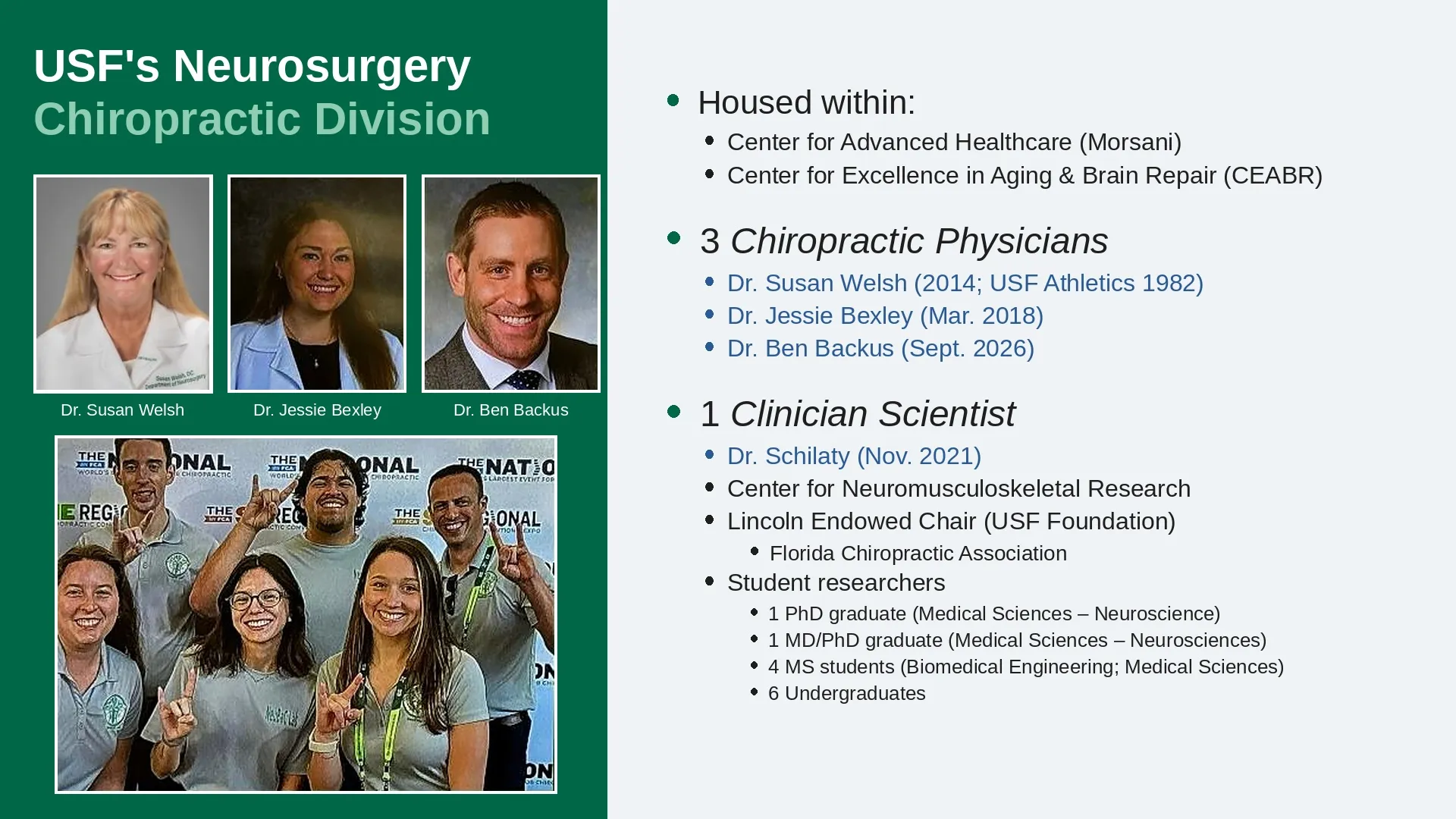
Looking for a Boston chiropractor focused on conservative, drug-free spine care? At Charles Street Family Chiropractic in Beacon Hill, Dr. Chris Quigley helps patients with back pain, neck pain, sciatica, disc problems, and recurring spinal conditions. Chiropractic care can support mobility, function, and active living while reducing reliance on medications and invasive procedures. Even major medical centers, including the University of South Florida Neurosurgery program, are integrating chiropractic care into collaborative spine treatment and research.
A 2015 MRI study found signs of alar ligament injury in 55% of older patients whose chronic neck pain had no other identifiable cause. For Boston and Massachusetts personal injury attorneys, that finding speaks to a familiar problem: the client who still hurts months after a car crash, but whose standard imaging reads as “normal” or “age-related degeneration.”
The number that should stop every elective-surgery patient in their tracks is 94%. In a large 2017 Journal of Pain Research study of 1,842 people who had undergone lumbar spine surgery, 94% reported some degree of residual low-back pain. That does not mean 94% had severe pain, nor does it mean 94% of the operations were surgical failures. But for an invasive procedure that many patients understandably hope will eliminate their back pain, the persistence of any low-back pain in such a large proportion of respondents is difficult to dismiss. The same study found that 20.6% met the researchers’ criteria for failed back surgery syndrome —roughly one out of every five patients. Residual numbness was reported by 69.8%, cold sensations by 43.3%, and paresthesia such as tingling or abnormal sensations by 35.3%.