Sleep affects everything from cognitive function and mood to the health of your musculoskeletal system. Getting enough sleep is important, but good sleep quality also matters. One often overlooked aspect of sleep quality is your sleeping position. Research is definitive that poor sleep significantly degrades your immune system function.
You should wake up feeling good and if you are not, you have a problem you should consult our office as soon as possible.
As experts in advanced chiropractic care, Charles Street Family Chiropractic would like to shed some light on this subject by providing valuable insights and practical recommendations to enhance your sleep in Boston, MA.
The Importance of Quality Sleep
The significance of getting a good night’s rest extends far beyond banishing under-eye circles. Adequate, high-quality sleep is a cornerstone of good health. It contributes to better mental abilities, emotional balance, physical vitality, and even a longer lifespan. Like many urban areas, sleep disturbances in Boston, MA, are all too common, underscoring the importance of optimizing your sleep environment and adopting good bedtime habits. This includes identifying an effective sleep position for your needs.
If left unaddressed, sleep issues can wreak havoc on your quality of life. But with an informed approach, you can resolve or significantly improve these problems. One important step is to understand the role sleep positions play in your overall quality of sleep.
Factors Affecting Sleep Quality
Your ability to sleep soundly through the night depends on a complex interplay of external and internal factors. Key among these is your sleep position. Poor sleeping posture can cause or worsen physical discomfort, leading to disturbed sleep.
Other factors that impact your sleep quality include:
Environmental conditions: Temperature, noise, and light levels can disrupt sleep, highlighting the need for a cool, quiet, and dark sleep environment. Light in your bedroom can decrease melatonin production significantly. Melatonin is a vital sleep neurochemical that is produced by your brain at night if there is enough darkness in your room.
Lifestyle factors: Inconsistent sleep schedules, excessive screen time, and caffeine or alcohol intake close to bedtime can affect sleep quality.
Stress: High-stress levels can interfere with your ability to fall and stay asleep. This may be ongoing, such as when dealing with a high-stress work environment, or intermittent, such as the night before a big event.
Anxiety or depression: Those who struggle with these conditions often experience insomnia or sleep disturbances. On the other hand, good sleep contributes to improved mental health. Seeking professional treatment for anxiety or depression goes a long way toward improving sleep quality.
Physical discomfort:Chronic pain or injury can adversely impact sleep quality. In this case, the assistance of a chiropractic care center, like Charles Street Family Chiropractic, may prove invaluable.
Addressing Common Sleep Issues
Adopting the right sleep position can alleviate some common problems. Here are a few conditions that affect sleep and their recommended sleeping positions:
Sleep apnea and snoring: Lying on your side reduces sleep apnea symptoms, including loud snoring and gasping for breath.
Pregnancy: Expectant mothers often find comfort sleeping on their left side, with a pillow between the knees for additional support.
Back pain: If you struggle with back pain, you may benefit from sleeping flat on your back with a pillow beneath your knees. Sleeping curled up in the fetal position may also provide relief if you have a herniated disc.
Heartburn: For those who experience heartburn, sleeping on your left side can help.
Neck pain: Using a well-suited pillow and lying on your back or side can minimize neck pain.
Cold or sinus congestion: When dealing with a cold or sinus infection, sleep on your back with two pillows behind you to elevate your head slightly and facilitate better breathing.
While the right sleeping positions can alleviate certain problems, some can worsen specific health issues or lead to general discomfort. For instance, sleeping on your stomach is typically not recommended because this puts the head in an unnatural position, leading to neck and back pain. Stomach sleeping can also exacerbate sleep apnea and acid reflux.
Remember, the best sleeping position for you depends on your personal comfort and health conditions. It’s also helpful to discuss your sleeping habits and associated concerns with a health professional, like those at Charles Street Family Chiropractic.
Additional Tips for Better Sleep
In addition to adopting a favorable sleep position, here are some further steps you can take to enhance your nightly rest:
Establish a consistent sleep schedule.
Limit screen time before bed.
Create a serene sleep environment.
Practice stress-management techniques like meditation and deep breathing.
Exercise regularly but avoid vigorous activity close to bedtime.
Limit caffeine and alcohol intake, particularly after dinner.
Visit an advanced care provider like Charles Street Family Chiropractic to address physical discomfort.
Partner with Boston’s Preferred Chiropractor
Getting a good night’s rest is clearly impacted by the position you sleep in. At Charles Street Family Chiropractic, we deliver complete care chiropractic, providing insight and assistance that go beyond traditional expectations. If you’re struggling with poor sleep quality in Boston, MA, contact us at 617-720-1992 or fill out our online form to schedule an appointment. Our chiropractic services can support your quest for quality sleep and better overall health
“I was majoring in chemistry at Villanova University when my path turned to chiropractic. I was going on interviews to be a pharmaceutical sales representative, and they always asked me what I wanted to be doing in five years. My answer was always the same: “I want to be helping people, enjoying my work, while making a difference.”
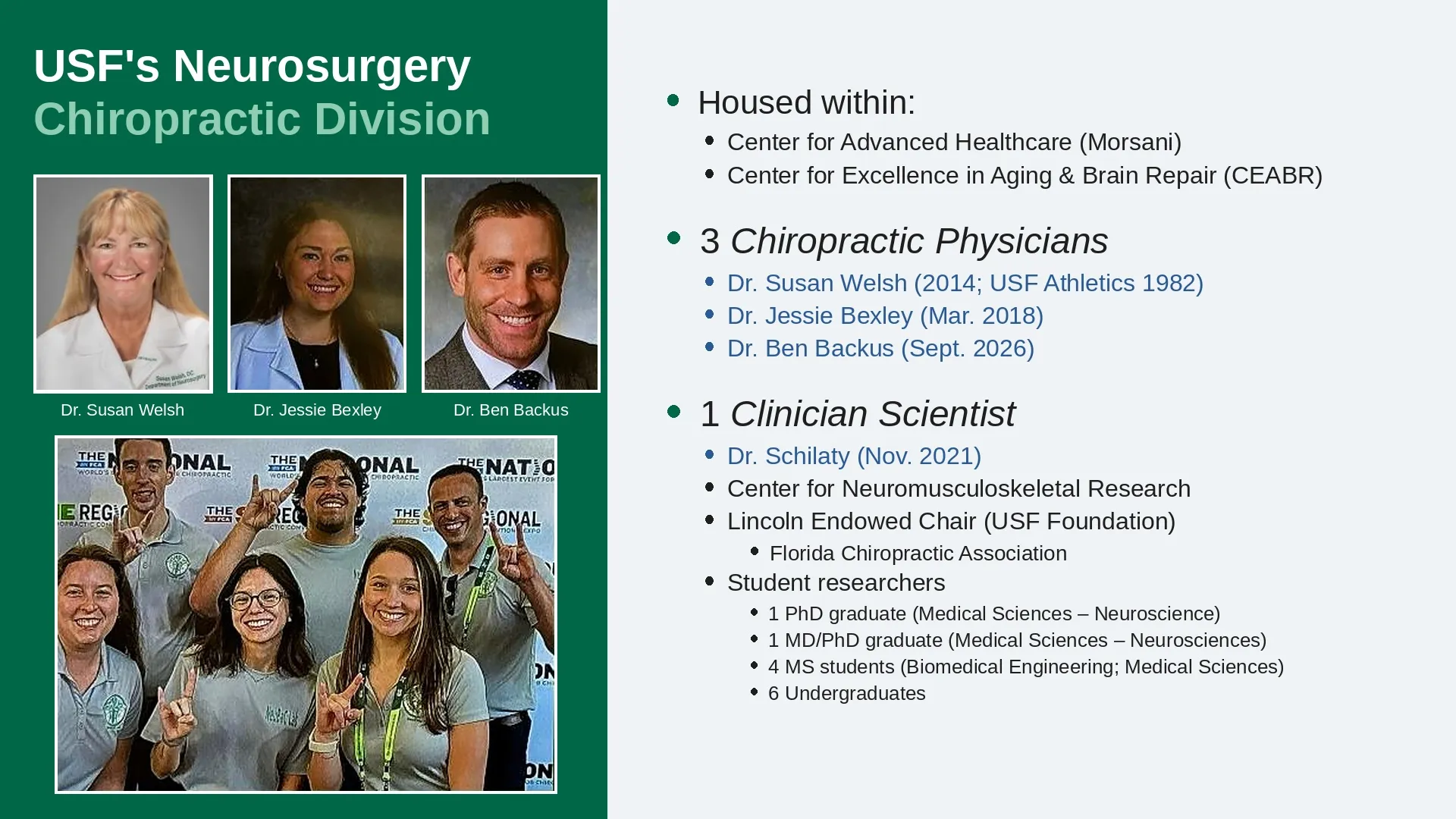
Looking for a Boston chiropractor focused on conservative, drug-free spine care? At Charles Street Family Chiropractic in Beacon Hill, Dr. Chris Quigley helps patients with back pain, neck pain, sciatica, disc problems, and recurring spinal conditions. Chiropractic care can support mobility, function, and active living while reducing reliance on medications and invasive procedures. Even major medical centers, including the University of South Florida Neurosurgery program, are integrating chiropractic care into collaborative spine treatment and research.
A 2015 MRI study found signs of alar ligament injury in 55% of older patients whose chronic neck pain had no other identifiable cause. For Boston and Massachusetts personal injury attorneys, that finding speaks to a familiar problem: the client who still hurts months after a car crash, but whose standard imaging reads as “normal” or “age-related degeneration.”
The number that should stop every elective-surgery patient in their tracks is 94%. In a large 2017 Journal of Pain Research study of 1,842 people who had undergone lumbar spine surgery, 94% reported some degree of residual low-back pain. That does not mean 94% had severe pain, nor does it mean 94% of the operations were surgical failures. But for an invasive procedure that many patients understandably hope will eliminate their back pain, the persistence of any low-back pain in such a large proportion of respondents is difficult to dismiss. The same study found that 20.6% met the researchers’ criteria for failed back surgery syndrome —roughly one out of every five patients. Residual numbness was reported by 69.8%, cold sensations by 43.3%, and paresthesia such as tingling or abnormal sensations by 35.3%.