Whiplash is often dismissed as a temporary inconvenience that disappears after a few days. But for many sufferers, the story doesn’t end with the removal of the cervical collar. Instead, chronic neck pain may linger—sometimes for months or even years—fed by damage to one of the most overlooked structures in our neck: the cervical zygapophysial joints. At our Boston Chiropractic office, Dr. Quigley has mulitple certifications and qualifications in the diagnosis and care of whiplash injured patients.
Uncovering the Hidden Source of Chronic Neck Pain
For years, finding an anatomical explanation for persistent whiplash-related pain was a challenge. But in his comprehensive narrative review, Dr. Nikolai Bogduk pieces together compelling evidence implicating these minor joints as a pivotal source of long-term suffering after whiplash injuries PubMed.
What’s the Evidence?
Bogduk’s investigation is not limited to one field. He draws on:
Postmortem studies reveal that motor vehicle accidents often inflict different degrees of injury on the zygapophysial joints.
Biomechanical experiments using both volunteers and cadavers illustrate how the mechanics of whiplash can strain or damage these joints.
Animal models and lab studies replicate specific patterns of injury observed in human whiplash cases.
Clinical trials show that radiofrequency neurotomy (nerve ablation) often offers significant relief to those with chronic neck pain following whiplash PubMed+1.
This multifaceted approach—drawing from anatomy, biomechanics, and therapeutic outcomes—provides what researchers call convergent validity, wherein independent lines of evidence all point toward the same conclusion.
Why Zygapophysial Joints Matter
These small joints, located between the vertebrae in the cervical spine, are vital for neck flexibility and stability. When damaged, they may become the epicenter of persistent pain that doesn’t show up in typical imaging and is resistant to standard therapy.
Understanding this mechanism is clinically significant: pinpointing these joints as a common source of whiplash-related chronic pain transforms diagnostic and treatment approaches, steering clinicians toward targeted interventions like medial branch blocks or radiofrequency neurotomy.
What the Research Means for Patients
Bogduk’s review highlights a crucial gap in both public awareness and clinical practice. Whiplash patients often endure frustration—taking pain medications without relief, struggling through physiotherapy, or enduring months of discomfort with little explanation. Recognizing that the zygapophysial joints may harbor the true source of pain offers hope and sharper therapeutic direction.
Especially for those with pain lasting more than three months, recommending diagnostic blocks or referring for radiofrequency neurotomy could be transformative. These procedures aim to disrupt pain signals at their source, and the evidence suggests they work—when the correct joints are identified.
A Call for Better Awareness and Action
Though Bogduk’s review was published in 2011, it continues to influence modern pain management and spine care. It underscores the need for practitioners to be open-minded when diagnosing whiplash-associated disorders and for patients to advocate for more thorough evaluations if standard treatments fail.
Key takeaways:
Chronic neck pain after whiplash is often real—and structural.
Cervical zygapophysial joints are common, yet under-recognized, pain sources.
Multiple types of evidence—biomechanical, pathological, clinical—all converge on this finding.
Greater clinician and patient awareness can lead to faster, more effective treatments.
Conclusion
Whiplash should never be dismissed as “just a stiff neck.” Chronic pain following such injuries may stem from the zygapophysial joints—little-known but crucial players in cervical spine mechanics. Thanks to comprehensive reviews like Bogduk’s, clinicians have the insight to intervene more accurately. For patients navigating the frustrating maze of post-whiplash pain, this research offers a roadmap to relief—one small joint at a time.
At Charles Street Family Chiropractic, we specialize in helping people with these serious injuries. Dr. Quigley has extensive training and expertise to help our Boston community with these potentially debilitating injuries. Call us today at 617-720-1992 for help.
“I was majoring in chemistry at Villanova University when my path turned to chiropractic. I was going on interviews to be a pharmaceutical sales representative, and they always asked me what I wanted to be doing in five years. My answer was always the same: “I want to be helping people, enjoying my work, while making a difference.”
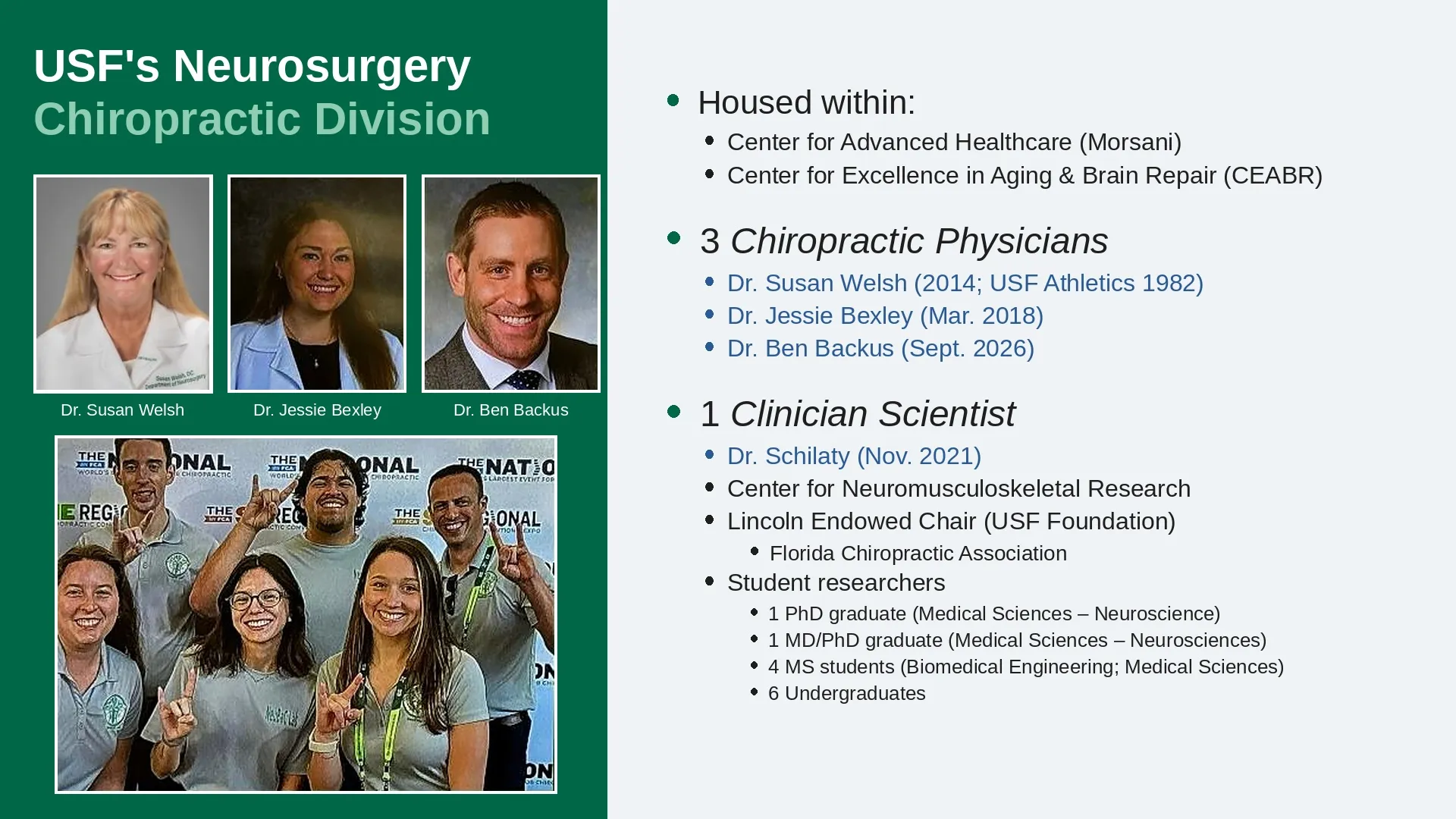
Looking for a Boston chiropractor focused on conservative, drug-free spine care? At Charles Street Family Chiropractic in Beacon Hill, Dr. Chris Quigley helps patients with back pain, neck pain, sciatica, disc problems, and recurring spinal conditions. Chiropractic care can support mobility, function, and active living while reducing reliance on medications and invasive procedures. Even major medical centers, including the University of South Florida Neurosurgery program, are integrating chiropractic care into collaborative spine treatment and research.
A 2015 MRI study found signs of alar ligament injury in 55% of older patients whose chronic neck pain had no other identifiable cause. For Boston and Massachusetts personal injury attorneys, that finding speaks to a familiar problem: the client who still hurts months after a car crash, but whose standard imaging reads as “normal” or “age-related degeneration.”
The number that should stop every elective-surgery patient in their tracks is 94%. In a large 2017 Journal of Pain Research study of 1,842 people who had undergone lumbar spine surgery, 94% reported some degree of residual low-back pain. That does not mean 94% had severe pain, nor does it mean 94% of the operations were surgical failures. But for an invasive procedure that many patients understandably hope will eliminate their back pain, the persistence of any low-back pain in such a large proportion of respondents is difficult to dismiss. The same study found that 20.6% met the researchers’ criteria for failed back surgery syndrome —roughly one out of every five patients. Residual numbness was reported by 69.8%, cold sensations by 43.3%, and paresthesia such as tingling or abnormal sensations by 35.3%.