Low back pain has a remarkable ability to interfere with nearly everything.
Putting on socks becomes an Olympic event. Getting out of the car requires a detailed strategy. And dropping something on the floor may lead to an important decision: “Do I really need that pen?”
For people dealing with a herniated disc, degenerative disc disease, sciatica, or chronic low back pain, ordinary activities can become exhausting. Fortunately, research suggests that non-surgical spinal decompression may offer relief for carefully selected patients—and your spinal discs may appreciate the extra space.
A July 2010 study published in BMC Musculoskeletal Disorders examined whether increased lumbar disc height following non-surgical spinal decompression was associated with reduced disc-related low back pain. The results were encouraging, although the researchers emphasized that larger randomized studies are still needed.
What Is Disc Height—and Why Should You Care?
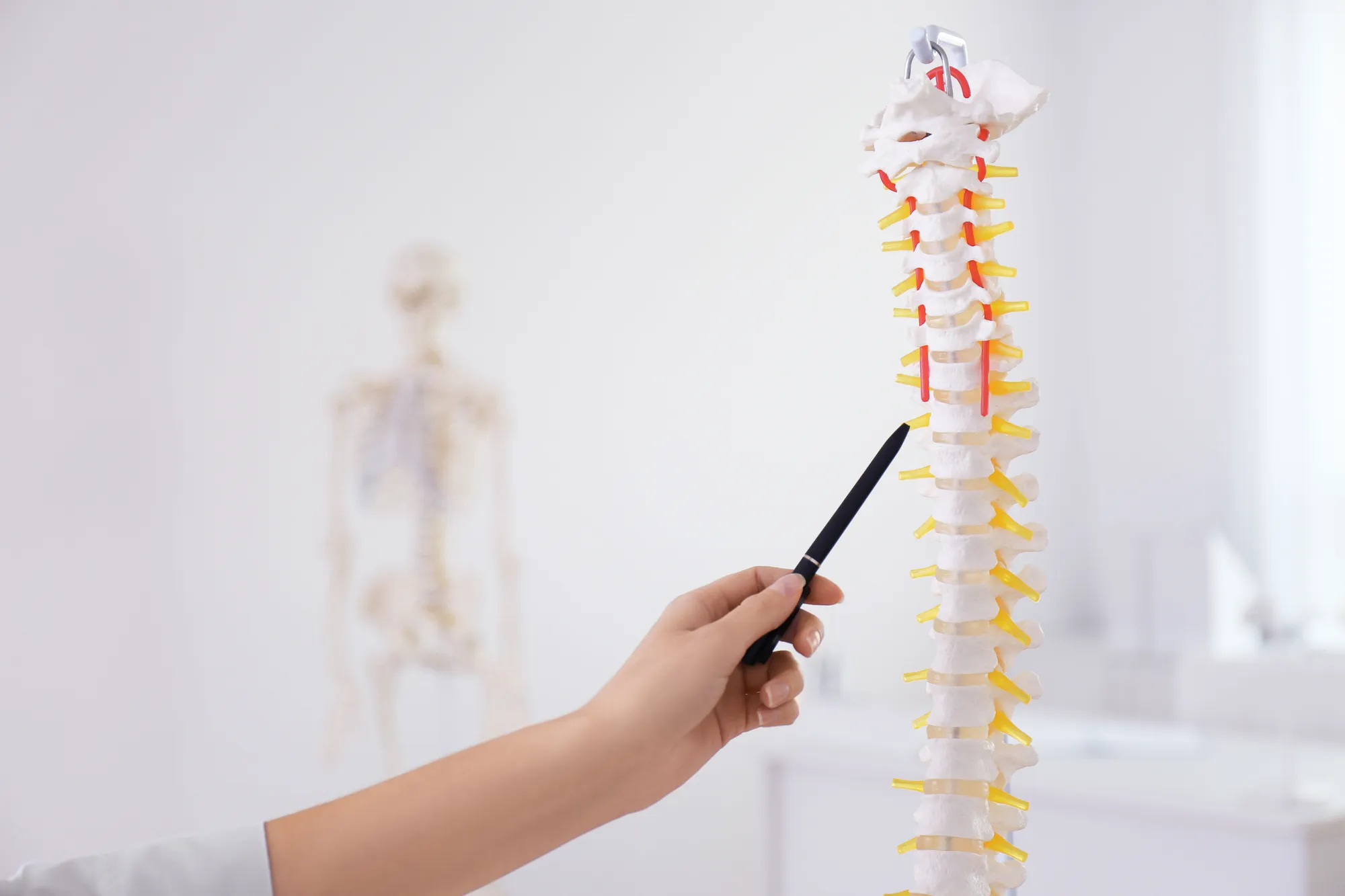
The discs between your spinal bones act like small cushions. They help absorb shock, allow movement, and maintain space around nearby nerves.
When a disc becomes injured, herniated, or worn down, it may lose height. This can increase stress on spinal joints and potentially contribute to irritation of surrounding nerves.
Think of the disc as a jelly doughnut that has spent too much time underneath a stack of encyclopedias. Eventually, it may flatten, complain, and possibly send pain down your leg just to make sure you’re paying attention.
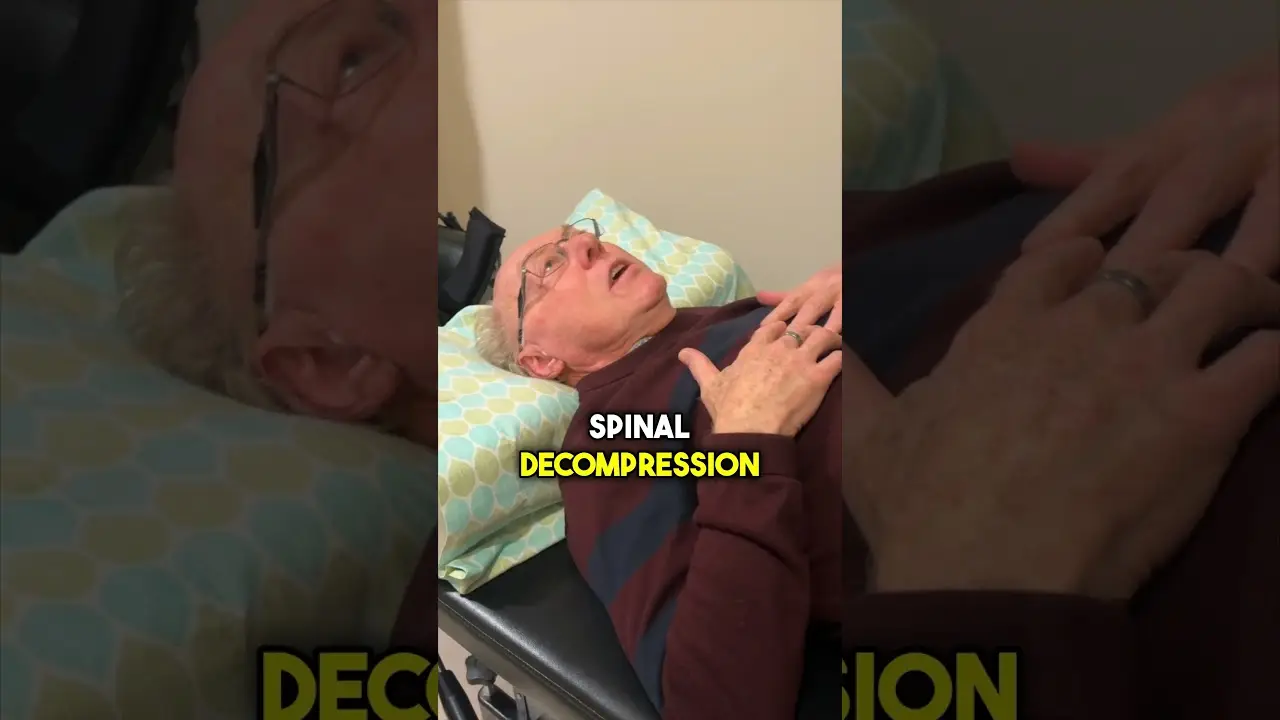
Non-surgical spinal decompression uses controlled, computer-guided traction to gently stretch the spine. The goal is to reduce pressure within affected discs, improve spinal spacing, and create a better mechanical environment for healing.
What Did the Researchers Study?
The researchers reviewed 30 adults with lumbar disc herniation or discogenic low back pain. Their average age was 65, and they had experienced low back pain for an average of approximately 12½ weeks.
Each patient completed a six-week course of motorized non-surgical spinal decompression system. CT scans were taken before and after treatment to measure lumbar disc height, while pain was rated on a scale from zero to ten.
What Happened?
The average reported pain score decreased from 6.2 before treatment to 1.6 afterward.
At the same time, average disc height increased from 7.5 millimeters to 8.8 millimeters.
Even more interesting, the researchers found a statistically significant relationship between increased disc height and reduced pain. In other words, patients whose discs gained more height tended to report greater pain improvement.
That doesn’t mean every unhappy disc can be transformed into a brand-new cushion. The study was retrospective, included only 30 patients, and did not have a placebo or comparison group. It also did not establish whether the improvements lasted for years.
Still, the combination of reduced pain and measurable imaging changes makes the findings noteworthy.
Who Might Benefit From Spinal Decompression?
Non-surgical spinal decompression may be considered for selected patients experiencing:
· Herniated or bulging lumbar discs
· Discogenic low back pain
· Degenerative disc disease
· Sciatica
· Certain forms of nerve compression
· Persistent low back pain that has not responded adequately to other conservative care
Spinal decompression is not appropriate for everyone. Patients with certain fractures, severe osteoporosis, spinal instability, tumors, infections, or other medical conditions may require a different approach.
That is why a proper examination and review of available imaging are essential before starting treatment.
Boston Back Pain Doesn’t Take the T
Anyone who lives or works in Boston knows that the city is not especially gentle on sore backs.
There are brick sidewalks, steep Beacon Hill streets, long commutes, questionable office chairs, and the occasional winter snowbank that appears to require heavy machinery—but somehow gets assigned to you and a shovel.
At Charles Street Family Chiropractic, Dr. Chris Quigley evaluates patients from Boston, Beacon Hill, Back Bay, Cambridge, Brookline, Somerville, Newton, Quincy, and throughout Greater Boston who are looking for conservative options for low back pain, sciatica, and lumbar disc injuries.
The goal is not to chase symptoms endlessly. It is to identify the likely source of the problem, improve spinal function, and help you return to the activities your back has been rudely interrupting.
The Bottom Line
This study found that six weeks of non-surgical spinal decompression was associated with both increased lumbar disc height and substantially reduced low back pain. The relationship between the two suggests that restoring disc height may be one mechanism through which some patients experience relief. Similar results were found in studies by Schueren in 2025 and Connolly in 2025.
If you’re searching for non-surgical spinal decompression in Boston, herniated disc treatment in Boston, or sciatica relief without surgery, schedule an evaluation with Dr. Chris Quigley at Charles Street Family Chiropractic. Tap here to make an appointment to see if we can help.
Your back may not send a thank-you card. But being able to put on your socks without negotiating with your spine would be a pretty good start.
Reference
Apfel CC, Cakmakkaya OS, Martin W, Richmond C, Macario A, George E, Schaefer M, Pergolizzi JV. Restoration of Disk Height Through Non-Surgical Spinal Decompression Is Associated With Decreased Discogenic Low Back Pain: A Retrospective Cohort Study.BMC Musculoskeletal Disorders. 2010;11:155. doi:10.1186/1471-2474-11-155.
“I was majoring in chemistry at Villanova University when my path turned to chiropractic. I was going on interviews to be a pharmaceutical sales representative, and they always asked me what I wanted to be doing in five years. My answer was always the same: “I want to be helping people, enjoying my work, while making a difference.”
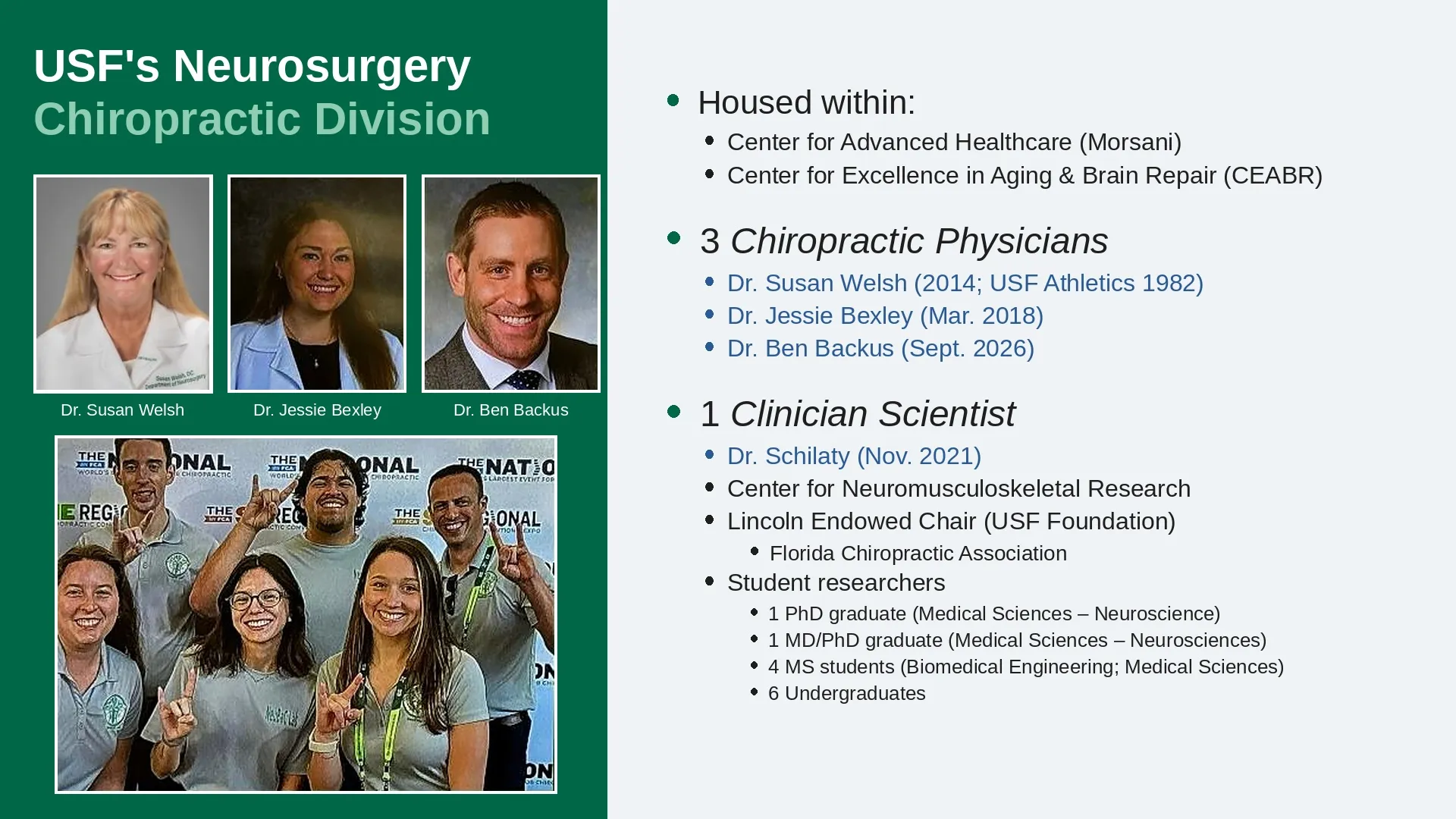
Looking for a Boston chiropractor focused on conservative, drug-free spine care? At Charles Street Family Chiropractic in Beacon Hill, Dr. Chris Quigley helps patients with back pain, neck pain, sciatica, disc problems, and recurring spinal conditions. Chiropractic care can support mobility, function, and active living while reducing reliance on medications and invasive procedures. Even major medical centers, including the University of South Florida Neurosurgery program, are integrating chiropractic care into collaborative spine treatment and research.
A 2015 MRI study found signs of alar ligament injury in 55% of older patients whose chronic neck pain had no other identifiable cause. For Boston and Massachusetts personal injury attorneys, that finding speaks to a familiar problem: the client who still hurts months after a car crash, but whose standard imaging reads as “normal” or “age-related degeneration.”
The number that should stop every elective-surgery patient in their tracks is 94%. In a large 2017 Journal of Pain Research study of 1,842 people who had undergone lumbar spine surgery, 94% reported some degree of residual low-back pain. That does not mean 94% had severe pain, nor does it mean 94% of the operations were surgical failures. But for an invasive procedure that many patients understandably hope will eliminate their back pain, the persistence of any low-back pain in such a large proportion of respondents is difficult to dismiss. The same study found that 20.6% met the researchers’ criteria for failed back surgery syndrome —roughly one out of every five patients. Residual numbness was reported by 69.8%, cold sensations by 43.3%, and paresthesia such as tingling or abnormal sensations by 35.3%.